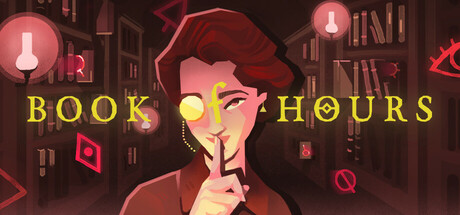
Restore a crumbling occult library by a winter sea. Build the world’s foremost collection of grimoires and arcana. Master the invisible arts. BOOK OF HOURS is a narrative crafting RPG set in a 1930s world of hidden gods and secret histories. What sort of Librarian will you choose to be?
Modeled estimate, not a reported figure. How we estimate →
Prices
The United States storefront in every case, so this compares stores and not countries.
Prices
Each in the currency that store quoted — not converted: the gap between two rows is the publisher's pricing, not an exchange rate.
Every market we collect.
Discounts
Every price cut of more than 20% we have observed, in each market that quoted one, with this game's chart position on either side of it. These are episodes, not a model: a sale is one event, and one event cannot tell you what the next one will do.
Reviews, worldwide (the counter carries no country): 56.83/day in the week to Jul 17 → 3.29/day in the week after.
For scale, across Steam · Top Sellers · Brazil over the last 30 days: the 26 chart moves that followed a price cut of more than 20% went a median of 7 places towards #1, and the 2,402 moves with no price cut behind them went 2 away. One store, one chart, one country — it is the only place we have enough observations to say even that.
Prices outside the United States have been collected since 6 August 2026 and chart positions since 19 July 2026, so a cut older than that has no market to compare and a market that joined later has no history yet. Nothing here is converted between currencies.
About


Sums Steam only; GOG publishes no volume signal, so the true total is higher by an unknown amount.
| Store | Price | Audience | Score | Chart | Est. revenue |
|---|---|---|---|---|---|
SteamYou are here | $24.99 | 4.5Kreviews | 89% | — | $4M |
| $24.99 | 72ratings | 88% | — | not modelled |
Matched by title — a reused name can pair the wrong games. * is a critic aggregate. Prices and positions are each store's United States storefront; Epic charts worldwide. Audience and Score too, except Steam's, which is worldwide.
Updates
Build ids and update times come straight from Steam's PICS — the same source SteamDB reads. Patch history grows as we record new builds.
Engagement
Reviews
Themes across 874 recent reviews and how positive each mention is. A keyword signal, not full sentiment analysis.
Reviews
Not exactly bad, but... weird. Very much an acquired taste that relatively few people will want to take the trouble of acquiring. A slow-paced, low-dialogue sort-of-puzzle, sort-of-adventure game with aesthetics and gameplay that can put you into a sound nap.
非常喜欢文本和游戏背景,慢速读书以及美术也不错。唯一缺点是打这个游戏你不看攻略就等着死档吧哈哈。纯照抄攻略那和我上班有何区别?为何我不云玩?我拧螺丝还有钱但是玩这个十几个小时就为了一个结局多少还是有点恶心。你如果喜欢不用动脑子的照抄攻略那恭喜你找到了最适合你的游戏。
Media

Related
Related
Price dynamics, follower growth, revenue and sales trajectories with interactive tooltips
This and every other Pro feature is free until October 20, 2026. A free account is all it takes.
Genres
Stats
All-time low is the lowest price we've recorded for this game since we started tracking it.
Languages: English, Russian, Simplified Chinese, Japanese
Hours played at review time, across 876 reviews with recorded playtime.
positive critical· bar length = how often the theme comes up
I truly WANT to love this game, because the concept is great and the art is beautiful. However, the lack of guidance and "figure it out yourself" baseline makes the game too difficult and ultimately, boring. This is 100% a game where you need to keep a spreadsheet - without a reference of what all your books do, the game becomes nigh impossible. If you're into that kind of data management, you'll probably like it. I spent long enough on it to get the core mechanics, and even started a spreadsheet, but ultimately I found the game more work than fun.
I think this is the game I wanted to play compared to Cultist Simulator. It feels like the developers listened to what main hangups from that game and mixed it up to make something real special. Rich lore, beautiful art and giving the player the time they need to experiment and explore. There is a lot of similarities between the two, heck it is evidently the same universe given there is a lot of overlap with the books you have like the Rose of Hypathia and the same style and even some cards elements. If you know how those elements work in CS, it comes very handy here in Book of Hours. But I feel a lot more at ease to take my time and really invest in the world, explore and develop my skills compared to Cultist Simulator (CS). Book of Hours is much like Cultist Simulator in which you have a set amount of cards, time and things to manage periodically. But it also differs, CS is much more of a tabledeck which had its own problems, Book of Hours on the otherhand has a far bigger map layout to focus your attention and explore. It also gives the universe a sense of depth that was difficult to gauge previously. But that's understandable considering your focus in CS was something far more different. In Book of Hours it is mainly the library and man is it massive but it also feels like you have a lot more to do and at your own pace, compared to the punishing one of CS where you had so much things hampering you. I remember starting out Cultist Simulator I was more annoyed than I was interested and I was plenty interested in the game. The problem with Cultist Simulator is it is a game that has the universe itself conspire to put you in the dirt. Despair, police,money, health, you name it, if there is something it will kill you before you can even figure out what it is. It makes sense considering how the government understandably doesn't want people to start Cults. But it requires a lot of time to invest in, especially because early game is boring as hell and you can spend a lot of time in that section with not a lot of resources and too many things to balance. There is also no real saving so if you mess up or something unexpected happens, tough luck. New playthrough which will take hours upon hours to go through to even go back to that prior stage you were at and I'm not even exaggerating. I spent 10 hours on one run and I only just about got the groundwork for the cult established and I still had no clue what else I was missing or doing. And because the game is incredibly punishing it doesn't really let you develop and allow one to explore the mechanics and arguably the fun parts of the game which is much later in the game. The fun is retrospective and honestly even when I figured out the cult aspect it didn't even feel that rewarding. Like Learning how the cult actually works and inducting members was great but 30 hours into that game and I still never got into how the rituals and the lovecraftian elements because I was too dead to look at them or I haven't managed to get through the dreams or areas yet. Time is not on your side in that game and it makes every run incredibly precious because they can and will last hours and yet it is also incredibly tedious because you have to continuly keep track and balance time which can be painfully slow at times too. It is still addicting and compelling but the gamepplay itself is a massive drag and I am still confident in saying that. Book of Hours is not that. It is forgiving, the game even admits as much. It lets you expand and gives you the chance to develop and expand. It feels so rewarding to figure out how some of these lessons and skills work. I was worried because of my experience with CS that I couldn't develop any skills but I did and I don't think I could have. It took me a while and I'm still working out the kinks but man I'm already really having fun experimenting and broadening my skills. I feel more attuned to the aspects of this game because the system feels a lot more clearer, compared to Cultist Simulator where I felt like I was chucking anything and seeing what worked on top of the stress of my crimes being on display but no means to prevent it because I have a third despair card coming and little money for books to expand my knowledge. It makes sense too I guess, you are a librarian and this is your job and man is it a great one. I'm actually having a lot of fun with this one and I have a good feeling it will continue to go that way. There's still tons more to explore and do and I'm actually looking forward to it. You actually get to look at the books, see what works with the other devices throughout the library house and so much more.
终于全成就了!能把这个游戏打九个周目做什么都会成功的(? 这一作的玩法类似电子娃娃屋,流程比前作密教模拟器更明确,最基础的通关方式几乎一开头就给到了,但要搞清楚故事依旧不太容易,推荐配合wiki以及手头的笔记本,抱着吃瓜的心态体验游戏,捋清楚噤声居屋发生的事情之后就能搞清楚个七七八八了。 当然,一如 AK 之前作品的传统,本作的信息极度分散,几乎所有物品都可以进行研究互动,文本偶尔也有真假混杂互相矛盾。要搞清楚游戏到底在讲什么,需要玩家花大量时间收集、对照和梳理信息;而真正通关只要求完成一套不太需要动脑的合成。游戏本身没给推理方面任何系统支持,没有侦探游戏式的线索验证系统,也不会要求你提交推理答案,理解故事本身几乎完全是游戏之外的自选挑战。 中文本地化方面,本作本体部分整体水平不错,光之居屋dlc有品质下降。部分复杂长句和文学性较强的文本里能明显感觉到翻译腔([strike]如果我每次看到“如此……以致于”就能拿钱的话我早就财富自由了[/strike]),风格化方面明显弱于前作又依赖前作的语言资产,但好在关键信息和大部分专有名词没有太多损失,不影响故事梳理。属于有瑕疵和提升空间,但至少不会让人打到一半接受不了切回英文重读的程度。不过作为系列受众依旧希望后续的作品在本地化方面能更用心——而且这里的“用心”并不等于再换一个传说中更厉害的翻译团队,是需要开发和翻译团队更好的协作,让翻译团队更理解世界观在讲什么。 总之,这是一款把读书、收拾屋子、招待客人,以及从互相矛盾的八卦里拼世界观做成核心体验的游戏。推荐给喜欢叙事游戏、愿意自己做笔记/多语言对照wiki理解内容、享受慢慢整理空间和世界观的人;如果期待明确任务指引、逻辑推理解谜或持续提供反馈的玩法,则可能会觉得它既拖沓又故弄玄虚。而想要全成就的话……建议先确认自己近期对人生没有其他安排。 [b]一些提升游戏体验的tips:[/b] *务必先玩前作,或者起码wiki翻一遍,这是一个世界观为核心的叙事游戏,我认为不看之前的lore玩这类游戏体验起码打五折 *本质这是个英国人写的游戏,所以提前了解康沃尔地区的传说(起码最有名的那个…?)能对一些名词更敏锐[strike] 但是先涂果酱再涂凝脂奶油的还是异端 [/strike] *不要不舍得用任何消耗品,也不要舍不得花钱,图书管理员处境比教主强多了 *存档功能是好文明!(又是一个教主没有的东西呢 [b]一些光之居屋dlc相关的说明:[/b] *游戏内在某个前期必要流程后会出现季度事件,事件解决(即接待所有访客)后【智慧之树】界面的事件图标会点亮可互动,后面的内容就是dlc的主体了,没有时间限制,可以随时继续推进事件后续。 [strike] AK:dlc写了一个小说的体量;还是AK:但不告诉任何人怎么进dlc内容[/strike] *季节事件是否帮助访客会影响某些事件的后续走向,但如果目标是一周目内覆盖全部灯塔学会结局的话,那么全部帮忙就好了 *季节事件可以通过直接邀请相关访客(通过性相或者wiki判断)快速过掉 最低邀请成本: [spoiler]技能凑性相+打字机当墨水用(可重复)+1便士,几乎无消耗[/spoiler] [spoiler]某个需要欢欣雌黄的访客就等他自己来吧,到这个时候多半也不差这几个季度了[/spoiler] [b]如果你也打算全成就……[/b] (含剧透,没通关至少一周目不要点开隐藏部分) *最低九周目,和开局选择的出身强相关 *建议先用一个周目事无巨细的了解游戏机制/最大程度收集信息,保留书写本体结局前的存档,并在这个周目完成全部灯塔学会结局。 *可以通过以下方式把一件物品继承到下一周目: [spoiler]将想要传递的物品放在【岛屿决议会第十三任图书管理员?】的壁龛处,随后达成结局,并通过【进入历史】开启新周目。该物品会出现在下一周目【第十二任图书管理员】的壁龛处。大旋梯雕像不需要全部归位,重点是第十三任壁龛里只留下你想继承的那件东西。[/spoiler] [spoiler]推荐继承下一周目结局需要的闰识书。不同出身对应的特殊结局不同,记得提前对好目标。[/spoiler] *新周目的目标: [spoiler] 1. 选好对应出身。 2. 先选定目标闰识与目标性相,再围绕它读书拿技能。技能要选择升满后能提供 10 点目标性相的,对应魂质至少拿到能提供 3 点目标性相。 3. 提前明确阅读闰识书所需语言和能教授的访客,SL刷到访客感兴趣的事件 4. 居屋只需要重点开到【大旋梯:三楼】【布莱恩伯爵甸】【对应的魂质升级工作台】以及【合成目标墨水(目标性相终刻墨、贵紫)所需的工作台】。 5. 最稳定的历史结局配置:技能 10+闰识 5+终刻墨 7+魂质 3,正好凑够 25 点性相写入日记,不需要额外写决断,只消耗一次终刻墨 6. 用贵紫+合适的技能凑够 20 点启、月或引,书写闰时请愿。注意整个配方里不能带刃、心或冬,记得提前规划好。 [/spoiler]
Прежде всего скажу что, несмотря на отрицательный отзыв и двоякое впечатление от игры, я точно буду играть в неё дальше какое-то время, а также, посоветовал бы её купить всем кому нравится визуальный стиль и атмосфера, так как по этим критериям продукт на 10 из 10. Ранее я играл в симулятор культиста, и эта игра на мой вкус, гораздо лучше. Тут убран ужасно надоедающий кризисный тайм-менеджмент, теперь весь ваш тайм менеджмент размеренный и медитативный - что очень хорошо подходит к атмосфере и стилю. В некоторых обзорах уже упоминалось, и это действительно так, в этой игре условно 3 этапа восприятия геймплея - сначала вам ничего не понятно, потом очень интересно, а потом вы сталкиваетесь с масштабированием количества необходимых менеджерских действий и неприспособленными под это системами инвентаря и интерфейсом. Думаю что все странные решения в игровом дизайне как-то можно объяснить с точки зрения философии разработчика, но от этого они не перестают быть неудобными. Например ограниченное место в инвентаре, после чего предметы начинают просто складироваться перед порогом дома, понятно, что как и с книгами - по задумке, бОльшую часть времени игрок должен расставлять добытые им предметы по замку, но это быстро превращается в рутину. Две самые критические для меня вещи, из-за который я не могу поставить положительный обзор - необходимость так или иначе постоянно заглядывать в гайды и сворачивать игру (потому что по какой-то особой философии разработчика - указать подсказку в домах жителей, кто помогает с каким аспектом и с какой силой - это слишком упрощает игру видимо) В итоге играешь с табличкой и всё равно видишь эту информацию. А ведь можно было сделать так: после первого взаимодействия с объектом - у тебя сбоку появляется инфа что ты из него получил. Уже есть похожая система с рецептами (и это круто что разработчик что-то делает в этом направлении). Но например я вот не очень понимаю - почему я нигде не могу заранее посмотреть какое воспоминание будет получено при разборе предмета, который я уже разбирал РАНЬШЕ. То есть формально по игре эта информация имеет право быть мне открыта, а не так что мне надо либо записывать это в блокнот, либо обкладываться эксель таблицами. Это признак плохого геймдизайна и меня в этом плане не переубедить. Тоже самое с книгами, НО, в целом это ещё как-то можно оправдать необходимостью их сортировки, мол ну так ты разложи книги по тому какие воспоминания они дают - окей +- можно понять. Но с разбором предметов на воспоминания - никакого оправдания. В остальном игра великолепная, насколько я прочитал в обсуждениях - на данный момент разработчик поменял баланс так что нельзя попасть в софтлок на дереве умений если распределять их как захочется. Если это правда - то круто. Для тех кто всё таки решит брать игру, и думает попробовать в начале поиграть без гайдов, могу дать несколько базовых советов, которые не всегда могут быть очевидными, но которые делают начало игры простым и понятным: -Цветовая индикация в игре важна, если у вас есть аспект и навык одного цвета, значит они связаны и их надо будет использовать друг для друга. -Весь начальный геймплей это взаимодействие с жителями городка, внимательно изучайте их цветовые аспекты -Обязательно разговаривайте с жителями о погоде, так что бы усилить их аспекты. С этими советами начальная стадия игры по сути становится крайне простой.
如果人生是司辰之书就好了,不用睡觉、不用吃喝,像一个不灭的幽灵一样盘桓在城堡里,根据每天的天气决定读哪本书。撸猫、撸狗、撸蛇、撸海鸥,采花、酿酒、打铁,把杂物在炼金瓶桥上一字排开,在闰时清醒地入梦,记不得昨天喝的水是什么滋味。时不时染疾、彷徨、跨壳、入迷,一次次地读同一本书,一次次体会同样的恐惧。i人就默默写书,写死司辰,e人就开创学会,改变世界
永生没有带来安宁,而是将骤然的终末转变为漫长的苦痛。纵使躯体不再饥渴,知识却愈加晦涩。当一切回忆都随风消逝的时候,留下的只有悔恨。
TL;DR: This is a game you'll either love or hate, there's no in-between. If you like games that don't hold your hand and leave you stumbling in the dark figuring things out, this is for you. If you like learning on your own, taking notes, maybe making spreadsheets recording information you learn, this is for you. If you like reading a LOT of text and are willing to spend your time reading through every blurb looking for clues (and there are a lot of those), this is for you. This game is better experienced (in my opinion) when you take a slow, methodical approach, and don't use wikis or guides until you've played at least one full playthrough. It is hard, yes, but the satisfaction of resolving a mystery completely on your own can't be described with words. It took me 40hrs to reach the point where I could end the game, and 60hrs to actually get my first proper ending. I skimmed most of the text early on before realizing that it very much told me ways to make use of the skills I'd acquired and what could be made with them. [spoiler] I didn't realize until very late that I could re-read texts to generate memories, or use lessons in similar skills to progress a skill I was more interested in leveling. Conversely, I found out that some crafting recipes were exclusive to certain skills even if others had similar aspects, so I got to learn a lot about crafting. [/spoiler] [spoiler] I also didn't know I could read texts without matching the aspect requirement, so the early game was a striggle. OTOH, I never had problems with curses or afflictions since I always had full mastery when reading. [/spoiler] Had I not made those "mistakes", I probably would've been able to beat the game far, far earlier. However, that didn't detract from the experience regardless. All in all, I'd recommend this game to those who like reading and aren't looking to win, but rather experience the game in full.
Have you ever played a game with a steep learning curve, only to restart constantly over again because you learn/understand a mechanic you've been doing wrong and it makes you feel inefficient? I have - analysis paralysis walks hand-in-hand with me playing games and ultimately shelfing that game, because I'm fed up not being able to handle my own failures. In Book of Hours, you are thrown into the deep end of rebuilding a massive occult library and trundle your way through. You mess up a lot at first because there is no tutorial, and the learning curve is so steep that you might as well be scaling a wall. And yet, you never feel like you have to be efficient - you will make a LOT of mistakes. And that's okay - because you cannot fail this game unless you throw away/destroy your journal, which the game will give you a tremendous warning before doing. Even then, you can still keep playing, you just opt out of win conditions. There is no time limit, there is no fail conditions. You can't die (in the traditional video game sense), be fired or screw yourself into a corner. Book of Hours is a slow-paced, dialogue-driven puzzle game in which you catalogue and study occult scriptures, receive guests seeking answers to solve mysteries, and investigate what caused the fire that burned down this library you are currently restoring and repairing. There are approximately 110 different endings, giving this game insane replayability - your decisions at the beginning of a playthrough will lock you in to a smaller number of attainable endings. At the end of the day, Book of Hours is a cosy game to play with beautiful visuals, fascinating occult lore, hauntingly stunning music and an experience that will transform a small gaming session into several hours of relaxing. But most importantly? It is a game that tells you that failure and mistakes might be frustrating, but are also learning experiences. It doesn't matter how much you might feel like you've screwed up, there is always a way to progress from mistakes - they've I'll not be the adventures you planned to take, but they will still be an adventure worth reading. So go forth and make many mistakes - you are the Librarian of Hush House, and nothing shall be able to stop you.
Active players
Estimated daily and monthly active players (DAU/MAU) modeled from peak concurrency.
Players by region
Where this game's players are, estimated from review languages.
Players also reviewed
The games this title's players most often review too — audience affinity.
Related
| Game | Estimated lifetime revenue | Reviews | Review score | Price |
|---|---|---|---|---|
| $8.4M | 14.2K | 80% | $19.99 | |
| $288.3K | 802 | 71% | $11.99 | |
| $90.1K | 216 | 74% | $18.99 | |
| $32.4K | 89 | 82% | $11.99 | |
| $1.2K | 6 | 83% | $5.00 | |
| — | 0 | — | — |
Related
| Game | Estimated lifetime revenue | Reviews | Review score | Price |
|---|---|---|---|---|
| $4M | 8.2K | 95% | $14.99 | |
| $4M | 4.1K | 79% | $24.99 | |
| $4M | 8.1K | 89% | $29.99 | |
| $4M | 8.2K | 93% | $19.99 | |
| $4M | 7.6K | 92% | $24.99 | |
| $4M | 6.9K | 95% | $14.99 |