
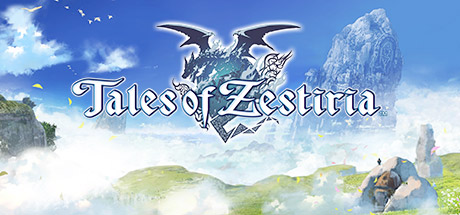
In a world torn by war and political skirmishes, accept the burden of the Shepherd and fight human darkness to protect your world from Malevolence and reunite humans and Seraphim.
Modeled estimate, not a reported figure. How we estimate →
Prices
Each in the currency that store quoted — not converted: the gap between two rows is the publisher's pricing, not an exchange rate.
14 of 15 markets; the rest we haven't asked for this title, not markets where it is unavailable.
Availability
We put this game to every storefront we collect. A market that answered not sold has told us something about the game; a market we never asked has not, and the two are never drawn the same.
Discounts
Every price cut of more than 20% we have observed, in each market that quoted one, with this game's chart position on either side of it. These are episodes, not a model: a sale is one event, and one event cannot tell you what the next one will do.
Reviews, worldwide (the counter carries no country): 1.14/day in the week to Jul 30 → 0.29/day in the week after.
About
Genres
Add-ons
Each DLC is estimated with the same model as a game, then summed — a modeled figure, not reported DLC sales.
Updates
Build ids and update times come straight from Steam's PICS — the same source SteamDB reads. Patch history grows as we record new builds.
Engagement
Reviews
Themes across 819 recent reviews and how positive each mention is. A keyword signal, not full sentiment analysis.
Reviews
On one hand we have: A technical mess, a more miss than hit gameplay, a story so awful you remember it for being awful, environnements poorly recycled all the time, barely any storytelling, a washed out antagonist... On the other: Absolutely incredible musics that I still remember 11 years later, some potentially interesting lore, Zaveid <3 and a pretty good art direction that is, sadly, a bit too shy. With bad ingredients, you can't get a good final result. Zestiria is exactly that, it cannot be salvaged, but the product is playable and some will enjoy it. I'd rate it a shy 11/20
None of my friends liked this game because they are sexually uncomfortable with the central pillar of this title being an unshakable bromance.
Media

Related
Related
Price dynamics, follower growth, revenue and sales trajectories with interactive tooltips
This and every other Pro feature is free until October 20, 2026. A free account is all it takes.
14 on sale1 answered “not sold”0 we did not ask
The 1 “not sold” market is read from the Steam price pass of Sep 13: that day the store answered for this game elsewhere and gave no price there. The 14 priced markets are the same rows as the table above — each the latest price we hold, dated here when it is older than that pass. The 0 marked “not asked” were not put to this store at all — either it has no storefront there or we do not collect it yet, and neither is a statement about the game. A refusal is a refusal on one day; a store can list a title again tomorrow.
For scale, across Steam · Top Sellers · Brazil over the last 30 days: the 26 chart moves that followed a price cut of more than 20% went a median of 7 places towards #1, and the 2,402 moves with no price cut behind them went 2 away. One store, one chart, one country — it is the only place we have enough observations to say even that.
Prices outside the United States have been collected since 6 August 2026 and chart positions since 19 July 2026, so a cut older than that has no market to compare and a market that joined later has no history yet. Nothing here is converted between currencies.
Stats
All-time low is the lowest price we've recorded for this game since we started tracking it.
Languages: English*, French, Italian, German, Spanish - Spain, Portuguese - Brazil, Russian, Traditional Chinese*languages with full audio support
Hours played at review time, across 821 reviews with recorded playtime.
positive critical· bar length = how often the theme comes up
[h2] Tales of Zestiria [/h2] [b][i] Tales of Zestiria is a journey into a world filled with beauty, tragedy, and hope. Its story weaves a tale that draws you in, even if its presentation stumbles in places. Though not perfect, its charm and depth leave an impression long after the adventure ends. [/i][/b] [b] Story & Characters | 9/10 [/b] The story of Tales of Zestiria is its heart and soul. It’s a bittersweet tale of hope, sacrifice, and human connection. The characters feel alive, their relationships blossoming naturally throughout the journey. Moments of humor, tragedy, and reflection are balanced beautifully. Despite the occasional pacing issues, the story grips you and doesn’t let go. [b] Combat System | 7/10 [/b] The combat is engaging and offers a dynamic mix of strategies. Boss fights stand out as tense, memorable battles with great design. However, normal encounters can feel repetitive after some time. The mechanics, while deep, are convoluted and take time to master. Even with its flaws, the thrill of overcoming a challenge keeps the system rewarding. [b] Exploration & World Design | 6/10 [/b] The world has a serene beauty, but its vastness often feels empty. Traveling through long, empty corridors in dungeons can be tiring. Overworld exploration lacks excitement due to limited interactivity. Still, the vibrant landscapes and atmospheric touches hold a quiet charm. [b] Music & Atmosphere | 8/10 [/b] The soundtrack brings life to every scene, elevating both battles and emotional moments. Its melodies capture the grandeur of the world and the sorrow of its struggles. While not every track is iconic, the music complements the story well. The atmosphere immerses you, making even quiet moments feel meaningful. [b] Lasting Appeal | 7/10 [/b] Tales of Zestiria is not without its flaws, but it’s a journey worth taking. Its story and characters make you want to revisit their world again. The combat and exploration may not age perfectly, but the emotional weight endures. For those who love epic tales, it’s a game that lingers in your mind and heart. [b][i] Tales of Zestiria is a game that leaves a mark, imperfections and all. It’s a reminder of how stories can resonate even when the journey itself stumbles. Few games manage to feel so human in their triumphs and flaws. [/i][/b]
so far it's solid. skits and jokes are 15/10 as expected from a Tales game. only thing that bothers me are the battle mechanics.
The Final Boss made me want to kill myself
Коротко: Вот пройдя основную сюжетную линию, ну никак не поменяю свое мнение о том,что данная часть серии мне запала в душу! Сюжет цеплял часто и ради этого тонны гринда вообще никак не заметны,а лишь стимулировали,чтоб пройти дальше и получить еще порцию отличного сюжета! Добиваем ачивочки и переходим к следующим частям серии однозначно! Много текста(дополнено, сюжет пройден): .В целом это первая моя игра в серии Tales of. Выбирал же именно по истории игры с какой начать и выбор пал именно на Zestiria. В целом я очень доволен данной игрой. Больше всего цепляет сюжет и прописанные в нем персонажи, они как-то разбавляют рутину в перерывах в таверне и просто по ходу приключения своими диалогами. Боевая система довольна понятна, информацию подносят конечно прям большим комом,но это пропустим, ладно, ко всему этому привыкаешь и понимаешь уже по ходу самого геймплея в сражениях. Самая главная проблема наверно это камера, которая может так зафокусить противника,что ты ничего не увидишь совсем,а это проблемно когда играешь на самой высокой сложности. Для меня данная игра в жанре jRPG одна из полюбившихся уже точно. Ах да, гринд! его много, если кого-то это отпугивает,то и не стоит начинать играть, хотя это типично для жанра jRPG, что нужнно много гриндить, хотя думаю на самой легкой сложности нужды в гринде особо не будет и всё будет проходится спокойно. Но вот играя на высокой сложности - гринд это механизм для данной сложности,но в этом есть и свои плюсы, полностью доступны многие фишки в боевом системе, хотя боевка столь однообразна может кому-то показаться,но для данного жанра jRPG это вполне нормально. Не понял негативныз отзывов по игре в целом. Люди либо плохо знакомы с данным жанром jRPG и не понимали во что собираются играть, либо это просто не их жанр, хотя ставьте минимальную сложность и кайфуйте только от сюжета, который тут весьма зашел мне и доставляет полное удовольствие и это еще только треть где-то наверно! Вряд ли этот обзор потерпит изменения в какую-то плохую сторону после полного прохождения и выбивания всех ачивок. Данная часть игры из серии Tales of очень зашла и 30 часов явно не было бы в ней проведено, будь это ужасная дрочлня как выражаются с однотипной боевкой! И скорее всего после полного прохождения со всеми ачивками начну проходить и другие части серии, очень уж полюбилась данная игра из этой серии и рад,что за 30 часов она еще не закончилась и продолжает радовать и дарить удовольствие
Zestiria has several interesting ideas that set it apart from the rest of the series, along with an entertaining cast (Edna and Lailah are my favorites, but I also grew to like Rose and Alisha later on – and Zaveid is Zaveid). I especially enjoy the division between ordinary humans and Seraphim, with the latter being invisible to most people and also playing a special role in the battle system. It’s the most grounded Tales game I’ve played. Sorey’s journey is a classic hero’s journey. It’s also one of the darker entries in the series, as there’s always a certain sense of hopelessness lingering in the background. Thanks to the lighthearted party banter and humor, the tone remains mostly positive regardless. Overall, I do like the story, even if it feels fairly traditional (you could say it’s inspired by Star Wars—which itself was already extremely classical g). I particularly enjoy the game’s lore, which Berseria expands on even further. The OST is among the better ones in the series. When I think back on Zestiria, however, I also remember the long, monotonous dungeons and how boring some sections were. The combat system often feels too samey as well. Though I have only myself to blame for playing both Hexen Isle and Alisha’s DLC, which are by far the worst parts of the game. Visually the game isn’t very impressive. The antagonists are rather bland, and especially with Heldalf there’s a lack of a stronger personal connection—he feels more like a force of nature than a character. The world’s bleakness is also shown more in cutscenes and dialogue than in the actual explorable environments—Ladylake looks the same at the end as it did at the beginning, even though the world’s situation is supposedly much worse. The core themes are the darker sides of human nature (including war), nihilism, religion/superstition, and “finding one’s own path, and the strength to follow it.” Zestiria has its flaws, and it isn’t one of the best games in the series. But if Berseria’s gameplay didn’t bother you, you won’t have issues here either. I even find it a notch better in some places.
Análise de Tales of Zestiria: [b]Pontos positivos:[/b] * Os cenários são vastos e o jogo recompensa a exploração, pois encontrar os Pontos de Interesse gera pontos que desbloqueiam habilidades passivas. Além disso, os baús de tesouro que você já abriu voltam a conter itens depois de um certo tempo; * Assim como nos outros jogos da série, os personagens do jogo são muito carismáticos e tem bastante interação entre eles; * A mecânica de Armatização (fusão) é interessante; * A trilha sonora é muito boa, assim como a dublagem dos personagens; * Sidequests são mais fáceis de serem descobertas porque a personagem que está seguindo o Sorey dá dicas do que tem pra fazer. No mapa das cidades, os NPCs que dão missões são destacados para facilitar; * O port pra PC é bom, embora seja travado em 30 FPS. A tradução em PT-BR também ficou muito boa. [b]Pontos negativos:[/b] * A história (que já era bem clichê) decai muito na segunda metade (um pouco depois da primeira visita à Bacia de Glaivend), pois varias subtramas e personagens são deixadas de lado e o jogo empurra vários quests de procurar templos elementais e explorar ruínas para prolongar a duração enquanto a missão principal é pausada. Além disso, tanto os heróis quanto os vilões tem pouco desenvolvimento de personagem; * O jogo nem sempre é claro sobre aonde tem que ir. Por exemplo: numa cutscene uma personagem diz "Me sigam!" e desaparece. Como ela não não está mais no mesmo mapa e nem disse aonde ia, você tem que ficar vagando pelos arredores até o marcador aparecer; * Os gráficos são decentes pra um jogo de PS3, mas as dungeons (principalmente as ruínas) são desnecessariamente longas e também muito similares umas com as outras; * Os puzzles envolvem usar os poderes elementais das serafins para resolver, mas são todos muito básicos e repetitivos (ex: acender tochas, quebrar pedras e atravessar grades/precipícios); o único difícil (e chato) é o de não ser visto pelos olhos nas paredes do Templo da Água; * Viagens entre save-points custam caro (você gasta mais dinheiro com o teletransporte do que comprando itens) e o jogo frequentemente bloqueia save-points já ativados. ** Exemplo: perto do final você tem que voltar pro lugar onde encontrou o vilão pela primeira vez, mas o teleporte é bloqueado e você precisa caminhar até a metade duma ponte gigante só para ver uma cutscene irrelevante e desbloquear a função. ** Outro exemplo: Após uma cutscene do grupo se preparando para a batalha final, o jogo não apenas te impede de entrar na cidade que você acabou de sair para comprar itens como também bloqueia o teleporte das cidades que ficam além daquela e possuem equipamentos melhores para vender. Só após entrar na ultima dungeon o teleporte volta a ser liberado. [b]Pontos negativos relacionados ao sistema de batalha:[/b] * No grupo você tem dois tipos de personagens: humanos e serafins, e eles lutam em duplas. Nas batalhas, é necessário ter 2 humanos para poder usar 4 personagens na batalha. Se o Sorey for o único humano disponível, somente ele e mais 1 serafim lutarão, mesmo tendo mais integrantes no grupo; * A câmera é péssima pois fica colada no personagem quando ele está perto de uma parede (em locais abertos não tem problemas, já em ruínas e cavernas...); * O personagem só pode equipar duas Artes (ao invés de 4, como na maiorias dos "Tales of"); * Quando tem uma cutscene no meio da batalha, o jogo mexe na ordem do grupo e até desfaz as armatizações para te atrapalhar; * O sistema de habilidades de equipamentos é desnecessariamente complicado e você tem que procurar os tutoriais no jogo, que estão espalhados pelo mundo na forma de monólitos; * A batalha contra a segunda forma do ultimo chefe é muito mal feita por causa de um ataque especial que mata o grupo todo instantaneamente caso você falhe em causar dano suficiente enquanto ele estiver carregando a habilidade. Por alguma razão, os programadores decidiram proibir o uso das Mystic Arts nesta batalha para aumentar a dificuldade artificialmente e te forçar a grindar e a farmar equipamentos que aumentem o ataque dos personagens. [b]Conclusão:[/b] Tales of Zestiria é um jogo mediano e possui problemas notáveis em praticamente todos os quesitos (exceto na trilha sonora). Não é um jogo ruim, mas também não é bom; na série "Tales of" esse é facilmente o pior que eu já joguei. Se pretende jogar o Berseria, até convêm jogar Zestiria antes pois ambos se passam no mesmo universo, porém você pode simplesmente pular o jogo e assistir a adaptação em anime "Tales of Zestiria the X". Não recomendo.
Tales of Zestiria, developed by Bandai Namco and released on Steam in 2015, is an entry in the long-running Tales series—a franchise known for its action-oriented combat, colorful anime art style, and character-driven storytelling. While Zestiria attempts to modernize some aspects of the series and introduce new ideas into its JRPG formula, it also stumbles in key areas that prevent it from fully realizing its potential. Nonetheless, it remains a rich and engaging experience for fans of the genre and the Tales franchise in particular, offering a blend of traditional elements and experimental mechanics. The story centers on Sorey, a kind-hearted young man raised among the Seraphim, invisible spiritual beings who are unseen by most humans. Sorey believes in the possibility of peaceful coexistence between humans and Seraphim and dreams of exploring ancient ruins and forgotten legends. His life changes dramatically when he becomes the Shepherd, a prophesied figure who takes on the burden of purifying malevolence—a dark force corrupting both humans and the world itself. The narrative follows familiar JRPG tropes but introduces compelling themes about faith, leadership, responsibility, and the burden of power. While not the most innovative story in the series, Zestiria explores its themes with a degree of emotional sincerity and world-building depth that fans will appreciate. Character development plays a central role in the experience, as is tradition in the Tales series. The main cast includes a mix of humans and Seraphim, each with distinct personalities and motivations. From the loyal and fierce Mikleo, Sorey’s childhood friend, to the morally complex assassin Rose, the party dynamic evolves meaningfully over time. Skits—optional voiced dialogue scenes—add a layer of charm and levity to character interactions, providing insight into their thoughts while also delivering the quirky humor the series is known for. That said, not all characters receive equal attention in the main plot, and some arcs feel underdeveloped compared to earlier entries like Tales of Symphonia or Vesperia. Combat in Tales of Zestiria is a hybrid of real-time action and RPG systems, using a variant of the Linear Motion Battle System (LMBS) that the series pioneered. Players control one character directly in battle while the AI handles the others, with the option to switch characters on the fly. The game introduces a new mechanic called Armatus Fusion, which allows Sorey or Rose to fuse with a Seraphim mid-battle, transforming into a more powerful, elementally-infused warrior. This system adds a layer of strategy and spectacle, as players must consider elemental strengths, timing, and resource management. Battles can be fast, fluid, and dynamic—especially when players master positioning and combo chains—but they can also become visually chaotic, particularly in smaller environments where the camera struggles to keep up with the action. Exploration is another major component of Zestiria, with large open zones replacing the series’ traditional world map. These regions are expansive and often beautiful, showcasing rolling hills, ruined temples, and elemental-themed dungeons. However, despite their size, they can feel empty or repetitive, with relatively few meaningful side quests or points of interest to break up the long walks between destinations. The game’s environmental puzzles and traversal mechanics, such as using Seraphim powers to clear obstacles, help a bit but don’t fully compensate for the lack of interactivity in the world. Visually, Zestiria adopts a cel-shaded anime aesthetic that suits the tone and setting well. While the graphics may not be cutting-edge, they are clean and stylized, with smooth character animations and vibrant effects during battles. The art direction captures a high-fantasy feel, from the divine architecture of ancient ruins to the rural charm of human settlements. The soundtrack, composed by Motoi Sakuraba and Go Shiina, is a standout feature. It combines orchestral swells, haunting melodies, and energetic battle tracks that enhance the emotional and narrative beats of the game. Voice acting is solid in both English and Japanese, though some line deliveries in the English dub can feel uneven, especially during emotionally charged scenes. On the technical side, Tales of Zestiria had a rocky launch on Steam but has since been patched to run smoothly on most modern systems. The PC version offers improved resolution and framerate options compared to the original console release, which helps showcase the game's art direction more clearly. Still, some design choices—such as the fixed camera during indoor battles or the awkward menu navigation—reflect its console origins and can frustrate players used to more polished PC interfaces. One controversial aspect of Zestiria lies in its story pacing and the handling of key plot developments. The narrative occasionally glosses over major events or emotional turning points, leaving some players feeling disconnected from important story beats. Additionally, certain lore elements, including those involving the role of the Shepherd and the deeper history of the Seraphim and malevolence, are poorly explained unless players actively seek out side content or supplemental material. This uneven storytelling can cause confusion and weakens the impact of some of the game’s emotional climaxes. In terms of replayability, Zestiria includes several optional bosses, a New Game+ mode, and a respectable number of hidden secrets and tough encounters for completionists. It also connects—loosely—to Tales of Berseria, a prequel released later, which helps expand on the lore and retroactively gives Zestiria some added narrative weight. For players invested in the broader Tales universe, this connection is intriguing, though it's not essential to enjoy the game on its own. Ultimately, Tales of Zestiria is a flawed but worthwhile experience. It offers enough engaging characters, satisfying combat, and heartfelt moments to satisfy most JRPG fans, even if it doesn't reach the heights of its predecessors. The game’s experimentation with open environments, fusion mechanics, and deeper lore show a willingness to evolve, though not all changes land successfully. For fans of the series, it serves as an interesting transition point between classic Tales design and more modern sensibilities. For newcomers, it might not be the ideal entry point, but those who stick with it will find a game with ambition, heart, and plenty of action-packed content. Rating: 7/10
A very underrated tales game. There are parts that are a bit wonky, mainly the battle camera. The characters are fantastic and make the game a lot of fun. A more left field approach, but I like that it's a bit different from other tales games.
Active players
Estimated daily and monthly active players (DAU/MAU) modeled from peak concurrency.
Players by region
Where this game's players are, estimated from review languages.
Players also reviewed
The games this title's players most often review too — audience affinity.
Related
| Game | Estimated lifetime revenue | Reviews | Review score | Price |
|---|---|---|---|---|
| $859.7K | 4.8K | 79% | $7.99 | |
| $34.2M | 317.1K | 89% | $7.79 | |
| $18.9M | 58.4K | 93% | $14.99 | |
| $1.4M | 5.8K | 91% | $14.99 | |
| $4.2M | 2.5K | 64% | $34.99 | |
| $4.7M | 49.1K | 88% | $4.79 |
Related
| Game | Estimated lifetime revenue | Reviews | Review score | Price |
|---|---|---|---|---|
| $12.2M | 23.3K | 92% | $19.99 | |
| $12.1M | 12.4K | 82% | $29.99 | |
| $12.2M | 12.9K | 92% | $59.99 | |
| $12.1M | 32.6K | 96% | $9.99 | |
| $12.2M | 48.3K | 93% | $9.99 | |
| $12.1M | 16.3K | 93% | $19.99 |