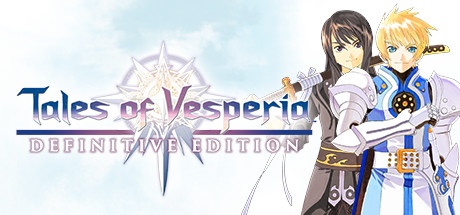
Celebrate the 10th anniversary of Tales of Vesperia and the return of this fan-favorite with the Definitive Edition!
Modeled estimate, not a reported figure. How we estimate →
Prices
The United States storefront in every case, so this compares stores and not countries.
Prices
Each in the currency that store quoted — not converted: the gap between two rows is the publisher's pricing, not an exchange rate.
Every market we collect.
Discounts
Every price cut of more than 20% we have observed, in each market that quoted one, with this game's chart position on either side of it. These are episodes, not a model: a sale is one event, and one event cannot tell you what the next one will do.
Reviews, worldwide (the counter carries no country): 0.43/day in the week to Jul 30 → 1.14/day in the week after.
About
Genres
Add-ons
Each DLC is estimated with the same model as a game, then summed — a modeled figure, not reported DLC sales.
Sums Steam only; PlayStation publishes no volume signal, so the true total is higher by an unknown amount.
| Store | Price | Audience | Score | Chart | Est. revenue |
|---|---|---|---|---|---|
SteamYou are here | $49.99 | 4.9Kreviews | 81% | — | $4.9M |
| $49.99 | 4.9Kratings | 94% | — | not modelled |
Matched by title — a reused name can pair the wrong games. * is a critic aggregate. Prices and positions are each store's United States storefront; Epic charts worldwide. Audience and Score too, except Steam's, which is worldwide.
Updates
Build ids and update times come straight from Steam's PICS — the same source SteamDB reads. Patch history grows as we record new builds.
Engagement
Reviews
Themes across 825 recent reviews and how positive each mention is. A keyword signal, not full sentiment analysis.
Reviews
Amazing JRPG overall. If this is your first foray into the Tales series the way it was for me, you will not be disappointed. For a game that originated on the PS3 (and still has the feel of a PS3 game in its graphical style despite the 10th anniversary facelift), Tales of Vesperia holds up incredibly well, and feels extremely representative of the series it's part of. The story is riveting, the characters are note-perfect and frequently hilarious, and the combat is satisfying, if a little simple and straightforward. Getting into the weeds of the JRPG genre can be a risky proposition, particularly with the time commitment these games ask of you before really showing their hand, but Vesperia is well worth that investment. The Tales games have a distinct combat system that functions more like a 3D fighting game than a more traditional RPG system. It's kind of like Tekken, in that battles take place in circular 3D arenas, though the actual fighting aspect is far simpler than any proper fighting game. Early on, it's very fun to mess around and try out new moves as you unlock them, but I found in the later game that battles frequently became a matter of burning your strongest moves as many times as possible, taking a break to replenish your move meter, and going back to throwing out the strongest move in your arsenal over and over. It's still satisfying to absolutely obliterate enemies in this system, but it could feel a little braindead outside of the boss battles. I also did not like the way items were handled - having to essentially queue the item use and hope it doesn't get interrupted by an overzealous enemy striking you before the command comes out was stressful in boss fights where I needed those items most. On the whole, though, Vesperia (and the other Tales games) has a very fun battle system, and it serves as a nice change of pace from a lot of other JRPG systems. It took a while, longer than it usually does, for me to be hooked in by Vesperia's main story, but I definitely reached a point around maybe ten hours in where I became absolutely hooked for the rest of the ride. Those who have played the game already probably know what that moment is, as it felt like a very direct, definitive statement regarding the game's core themes and the tension underlying them. Sure, in a sense, it's a relatively standard "commoners rebel against oppressive forces" story in its structure, with a big helping of "influence of man vs. nature", but the specific idiosyncrasies and interactions between the world's various factions - and the ways in which the party members play into that - make the game's narrative absolutely worth experiencing. Yuri in particular feels like a rare breed of JRPG protagonist, in that he isn't a fresh-faced rookie or goody two-shoes - he's a grown man, with rock-solid ideals, utterly convinced that the way he's living his life is the right way for him. Other party members lean a little more into JRPG party tropes, but even at their worst, the cast remains broadly likeable and interesting, serving the main story quite well. I mentioned before that Vesperia does feel very much of the PS3 era in its art direction, and I can see ways in which that could be a detractor. What I'll say is that the semi-chibi style grows on you over time, or at least it sort of melds into itself and stops being so noticeable. Some other aspects of the presentation feel a little dated - the menu designs and some of the fonts in particular are VERY PS3 - but all of the game's assets are nice and clean, the colors are vibrant, and the environments are diverse. I appreciated the divide between overworld traversal and semi-linear individual areas, too - it created a thrill of seeing an unexplored area from a distance in the overworld, and being wowed by how it looked up close once I actually got there. I would say the cutesy style is even a little disarming, not really setting you up to expect the seriousness the story frequently engages in, and it was a nice surprise when things took a turn for the worse at various points. I'm not a JRPG expert. I haven't played eight million of them or anything like that. I know what I like, though, and I liked Tales of Vesperia a lot. In some ways, it feels representative of the genre, in its story conventions and character interactions. In other ways, though, particularly in the combat and the depths of the themes it explores, Vesperia feels distinct, unusual. Maybe not one of a kind, but absolutely unconventional, in a way that I found deeply compelling. It may not convert you if you're a JRPG non-believer, but if you're curious, I think it's definitely worth your time.
Media

Related
Related
Price dynamics, follower growth, revenue and sales trajectories with interactive tooltips
This and every other Pro feature is free until October 20, 2026. A free account is all it takes.
For scale, across Steam · Top Sellers · Brazil over the last 30 days: the 26 chart moves that followed a price cut of more than 20% went a median of 7 places towards #1, and the 2,400 moves with no price cut behind them went 2 away. One store, one chart, one country — it is the only place we have enough observations to say even that.
Prices outside the United States have been collected since 6 August 2026 and chart positions since 19 July 2026, so a cut older than that has no market to compare and a market that joined later has no history yet. Nothing here is converted between currencies.
Stats
All-time low is the lowest price we've recorded for this game since we started tracking it.
Languages: English*, French, Italian, German, Spanish - Spain, Japanese*, Korean, Russian, Traditional Chinese, Portuguese - Brazil, Spanish - Latin America*languages with full audio support
Hours played at review time, across 830 reviews with recorded playtime.
positive critical· bar length = how often the theme comes up
офигенная игра, если хотите получить удовольствие от клевых диалогов и хорошего сюжета, то это игра определенно для вас, камон там даже есть фан-сервис с горячими источниками, лучшая игра-евер в историии!!!!!
如果遇到手柄不能用的情况 ① 按ctrl+alt+del ② 取消出现的界面 从此以后又可以用手柄快乐游戏了 此bug原理不明
【xboxコントローラでまともに動きません】 毎回言語選択から始まり、キーボード入力から始まり ゲーム開始後にコントローラの設定を必要とし、 ゲーム中は「Aボタン」が効かないのでドアは開けられず、人と会話もできない グレイセスのリマスターが発表されたので、久しぶりに起動しても改善されておらず この先の対応も絶望的なのでしょう。。
I dislike many things about this game, I could write a high effort essay but I won't, I will instead list off bullet points of things I liked and disliked. Liked: The cel-shaded art style from the previous two mainline games returns in HD and looks gorgeous - The music is pretty good - The combat is pretty good - There's an obscene amount of things to do for better or worse - In-game JRPG casino Disliked: - the pacing is irredeemably bad and the story is all over the place in the worst possible way. Story wise there isn't even anything tying it to the other games until the final act and it feels like an obligation - Aside from a few excellent character moments near the middle of the game everything else is so paint by numbers with the characters that it bores you to tears - Side quests are needlessly complicated, documented poorly and mostly missable, hope you play with an FAQ open! - A majority of the sidequests give you completely pointless rewards and are mostly wastes of time in the worst possible way - The map goes mostly unused until the final 10 hours/the final act where suddenly all the side stuff opens for real and you have it dumped on you en masse - The main plot is regularly regarded as being "grounded" and not too entirely based in fantasy which shows the people that say that probably haven't actually played it themselves or are talking out of their behinds. The political/guild maneuvering COULD be interesting but it mostly isn't, the intrigue just isn't there. It's all abandoned anyway towards the latter half of the game for stereotypical JRPG plot which would be perfectly acceptable if it didn't pretend to be something else for most of the runtime. -Rita is annoying and someone should smack her The End
테일즈 시리즈는 다신 안 할 것 같다 벌써 3번째 게임인데 지금까지 했던 모든 테일즈 시리즈가 다 별로였다 사실 초반 세계관이나 캐릭터는 정말 마음에 들었다 그러나 스토리가 진행될수록 테일즈 특유의 질질 끄는 스토리 전개와 극 후반까지 절대 안 푸는 떡밥들을 더 이상 봐 줄 수가 없다 마음에 들던 캐릭터들도 계속해서 망가져 가고 최종 보스는 전부 멋이 없고 뭘 하고 싶은지도 모르겠다 지금까지 평가가 제일 좋았던 테일즈 게임들이 이 정도라면 도대체 평가가 안 좋은 게임은 얼마나 쓰레기 같을지 상상이 안 간다
i am not much into comments or reviewing games but Tales of Vesperia really got into me. love the story especially the funny antics the whole party does or during skits. the artes and skills really are really nice, the way its learned via levels, side events and thru skills in altered artes. the mix between animated and 3D cut scenes is a nice combination. i would really recommend this game!
とにかくシステムが古くてストレスがすごい 戦闘ももっさりワンテンポ遅れるレスポンス、フラグがわかりにくいので街中でウロウロしないといけない、マップもなぜか広げると全画面に透過して出てくるので見にくい 令和に生きる者がやる価値はない
宵星之后再无传奇 这作虽然年代久远 但是是我最喜欢的一作 主角团日常小剧场就很有银魂的感觉 唯一难点就是战斗 本来操作就和普通游戏不同 战斗安排还不合理 很多人都被开始的红毛和狼王劝退 其实只要多熟悉操作后期技能多了打起来就流畅了 还有由利的声音真的好好听啊 传说系列最喜欢的就是他
Tales of Vesperia es uno de los mejores JRPG de la era PS3/Xbox 360, lo cual puede sonar raro de forma aislada pero es bastante razonable cuando se analiza el contexto de su lanzamiento y el efecto de la séptima generación de consolas en el género; Japón tuvo muchos problemas con la transición al HD, y por el camino muchas franquicias fueron forzadas a quedarse en espera mientras los desarrolladores encontraban formas de traerlas de vuelta en toda su gloria. Recordemos que compañías como ATLUS directamente decidieron quedarse en la generación de consolas anterior en lugar de comenzar a desarrollar juegos para la siguiente (teniendo como punto de referencia la salida de Xbox 360 en noviembre de 2005, ATLUS lanzó desde ese momento hasta el 2009 algunos de los siguientes títulos para PS2: Raidou 1 y 2, Persona 3 y 4, Odin Sphere, etc. Mencionar también que su incursión en PS3 ocurrió recién en 2011 con Catherine, a 5 años de la salida de la consola y a 6 años del comienzo de la séptima generación de consolas). Este contexto es relevante, dado que nos ayuda a comprender la realidad del género en aquél momento; estaba en pura decadencia, los títulos que salían (si bien llegó a haber algunos de calidad como Lost Odyssey, o incluso Blue Dragon para algunos) eran muy pocos y muchas veces eran casos particulares, dado que eran producciones realizadas por algunas de las grandes mentes del género. Incluso las grandes franquicias como Final Fantasy parecían estar resbalando y no llegaban al nivel que se esperaba de ellas. Otras franquicias simplemente se rindieron y se conformaron con las portátiles del momento. Pokémon, Digimon, Megami Tensei, incluso Dragon Quest decidió directamente saltarse la era PS3 y recién volvimos a ver un juego principal en PS4 (siendo el anterior a este Dragon Quest IX para Nintendo DS, y Dragon Quest XI lanzándose en 2017). El JRPG se puede entender entonces como una de las víctimas de esta era de transición, y a día de hoy se entiende al 2016 como el punto de inflexión que marcó su renacimiento; NieR Automata, Persona 5, Final Fantasy XV. Fueron juegos grandes, que buscaban recuperar la atención del público y demostrar que el talento japonés aún estaba presente. Hablamos entonces de una fuerte ausencia de participación de aproximadamente una década por parte del RPG Japonés, un periodo bastante difícil y que está muy bien documentado actualmente gracias a, por ejemplo, canales como Archipel en Youtube (en particular recomiendo el documental “The resurgence of Japanese games - Ebb and Flow”, el cual detalla muchas de las ideas que vengo desarrollando). También es importante entender el contexto temporal en el que ocurre este resurgimiento; a 3 años del comienzo de la octava generación de consolas, siendo PS4 y Xbox One consolas lanzadas en 2013. ¿Qué pasa entonces con Tales of Vesperia? Bueno, a mi entender es la luz más fuerte de su contexto. Se siente como una oda al JRPG clásico en el momento en que más se requería; es un juego excelente, con horas de contenido sustancioso, un sistema de combate único que recuerda a un juego de peleas más que un juego convencional del género, un ritmo muy bien marcado y que no decae, una historia muy bien contada, con personajes que comparten la misma calidad que el resto de elementos; donde todos tienen un rol a seguir, algún que otro giro o vuelta de tuerca, y un desarrollo muy logrado. Es importante mencionar también la presencia de un fuerte respeto hacia la historia del género y su legado, el cual se encuentra plasmado en la totalidad de la duración del juego; cualquiera que conozca las raíces y los tropos de los JRPG va a estar muy contento con la forma en que Vesperia se encarga de revitalizar y refrescar estas nociones e ideas. Es un juego hermoso, los fondos parecen pinturas y la composición de las distintas escenas suelen ser muy inteligentes. Los modelos 3D son excelentes teniendo en cuenta que el juego es del 2008, y las expresiones están muy bien logradas y siguen siendo más que efectivas. Los personajes hasta llegan a ser capaces de expresiones faciales; no llegan al nivel de lo visto en juegos de PS4 o posteriores (obviamente), pero lo que se ve es más que admirable teniendo en cuenta su fecha de lanzamiento. El guión es muy bueno y los escritores hacen un excelente trabajo en cuanto a mantenerse conscientes de cada situación y contexto se refiere. Sabe navegar momentos oscuros y situaciones complejas, incluso se atreve a cuestionar severamente a sus personajes; lo cual es algo bueno, dado que da lugar a momentos de introspección que refuerzan la identidad de estos individuos y su papel en la narrativa. Los personajes son carismáticos, multifacéticos y divertidos. Tienen personalidades muy marcadas y es muy entretenido verlos chocar, discutir, etc. Pero también hay muchos momentos lindos, honestos, con corazón y cariño. Uno de los aspectos más interesantes del combate es que cada personaje implica adaptarse a un estilo de juego distinto; Yuri es un luchador ágil pero fuerte, es probablemente el más flexible de todos y su límite es tu imaginación. Estellise es una suerte de paladín que actúa como soporte y healer, Rita es una maga y esto implica un cambio bastante interesante con respecto a otros personajes (es un estilo más calculado, que muchas veces implica apretar menos botones en más tiempo y hacer grandes cantidades de daño de forma concentrada), Repede es el equivalente de un pícaro y suple su falta de fuerza contundente con una gran movilidad y velocidad con respecto a otros personajes, etc. Hay 9 personajes jugables en total, y cada uno de ellos puede tomar horas y horas para dominarlo, pero todos son accesibles y completamente divertidos desde el primer momento. Sumado a esto, muchos personajes tienen acceso a 2 tipos de arma que implican leves variaciones que si bien no cambian el estilo de juego del personaje por completo, permite al jugador tener algo más de elección y personalización en el combate. Y este es justamente uno de los aspectos fuertes de este juego; los “Artes” (como se le llama a los poderes/habilidades) y los combos son extremadamente variados y bastante personalizables, permitiendo al jugador expresarse libremente a través del gameplay. El juego tiene un muy buen nivel de dificultad general, y resulta desafiante; morí bastantes veces contra bastantes bosses. Hay algunos picos de dificultad híper específicos pero el único que realmente es descarado es el de “Gattuso” al principio del juego. El punto es que vas a tener suficientes oportunidades para refinar tus habilidades, tanto con los combates normales como aquellos contra jefes. Aun con todo, no es un juego perfecto, y en particular considero que el combate podría abrirse un poco más al principio. Los Tales of son juegos que al empezar se juegan “bien” y al final pareciera que estás jugando un hack and slash de los 2000 o un título como Kingdom Hearts 2 por lo satisfactorios y complejos que son. Esta estructura jugable tiene ventajas, y siendo honesto la realidad es que se disfruta desde el principio, pero el combate va evolucionando y mientras más juegues más vas a entender lo poco que te muestra al empezar. Si bien entiendo que por la complejidad de los sistemas se requiere de una curva de aprendizaje y esto toma tiempo, considero que no habría estado mal darte acceso a más herramientas en las primeras horas de juego. Dicho esto, mantengo que es un excelente videojuego y un JRPG más que recomendable para cualquier amante del género o simplemente para alguien que busque una buena historia que lo absorba.
Active players
Estimated daily and monthly active players (DAU/MAU) modeled from peak concurrency.
Players by region
Where this game's players are, estimated from review languages.
Players also reviewed
The games this title's players most often review too — audience affinity.
Related
| Game | Estimated lifetime revenue | Reviews | Review score | Price |
|---|---|---|---|---|
| $4.9M | 7K | 81% | $19.99 | |
| $4.9M | 11.4K | 94% | $14.99 | |
| $4.9M | 9.9K | 90% | $19.99 | |
| $4.9M | 22.5K | 90% | $7.99 | |
| $4.9M | 2.5K | 80% | $44.99 | |
| $4.9M | 10.3K | 82% | $19.99 |
Related
| Game | Estimated lifetime revenue | Reviews | Review score | Price |
|---|---|---|---|---|
| $2.1M | 2.4K | 68% | $39.99 | |
| $12.2M | 9.3K | 80% | $49.99 | |
| $2.5M | 5.2K | 85% | $19.99 | |
| $6.3M | 5.8K | 91% | $49.99 | |
| $6.7M | 14.3K | 95% | $20.99 | |
| $4.1M | 3.5K | 88% | $49.99 |