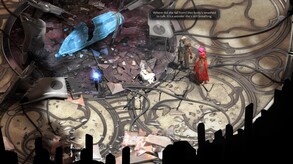
Torment: Tides of Numenera is the thematic successor to Planescape: Torment, one of the most critically acclaimed role-playing games of all time. Immerse yourself in a single-player, isometric, story-driven RPG set in Monte Cook’s Numenera universe. What does one life matter? Find your answer.
Modeled estimate, not a reported figure. How we estimate →
Prices
Each in the currency that store quoted — not converted: the gap between two rows is the publisher's pricing, not an exchange rate.
Availability
We put this game to every storefront we collect. A market that answered not sold has told us something about the game; a market we never asked has not, and the two are never drawn the same.
Discounts
Every price cut of more than 20% we have observed, in each market that quoted one, with this game's chart position on either side of it. These are episodes, not a model: a sale is one event, and one event cannot tell you what the next one will do.
Reviews, worldwide (the counter carries no country): 0/day in the week to Aug 14 → 0.86/day in the week after.
For scale, across Steam · Top Sellers · Brazil over the last 30 days: the 23 chart moves that followed a price cut of more than 20% went a median of 14 places towards #1, and the 2,420 moves with no price cut behind them went 2 away. One store, one chart, one country — it is the only place we have enough observations to say even that.
Prices outside the United States have been collected since 6 August 2026 and chart positions since 19 July 2026, so a cut older than that has no market to compare and a market that joined later has no history yet. Nothing here is converted between currencies.
About
Add-ons
Each DLC is estimated with the same model as a game, then summed — a modeled figure, not reported DLC sales.
Sums Steam only; PlayStation, Xbox, GOG publish no volume signal, so the true total is higher by an unknown amount.
| Store | Price | Audience | Score | Chart | Est. revenue |
|---|---|---|---|---|---|
SteamYou are here | $34.99 | 2Kreviews | 73% | — | $1.8M |
| $29.99 | 1.1Kratings | 83% | — | not modelled | |
Updates
Build ids and update times come straight from Steam's PICS — the same source SteamDB reads. Patch history grows as we record new builds.
Engagement
Reviews
Themes across 811 recent reviews and how positive each mention is. A keyword signal, not full sentiment analysis.
Reviews
Its storytelling and world depth is very high. There is a lot of detail and the quests and characters are very engaging. I feel like the dialogue is worth the game and the world is very diverse with lots of interesting elements everywhere. The 2 companions I have met so far have backstories that make you want to know more and the areas and citizens are diverse. If you don't like a large amount of dialogue then you won't enjoy the game but the game is worth the dialogue as you end up immersed in the dialogue and storyline.
I'd highly recommend this one! The depth of the story forme is absorbing plus the graphics is still somehow at par with modern games today. When I play this this gives me the old feeling and vibes of classic isometric games which are mainly focused on story. The only drawback is the long text conversations which's I'm kinda feeling lazy and prefers more action and gameplay.
Media

Related
Related
Price dynamics, follower growth, revenue and sales trajectories with interactive tooltips
This and every other Pro feature is free until October 20, 2026. A free account is all it takes.
Related
| Game | Estimated lifetime revenue | Reviews | Review score | Price |
|---|---|---|---|---|
| $1.8M | 7.4K | 82% | $8.99 | |
| $1.8M | 11.7K | 96% | $5.99 | |
| $1.8M | 8.3K | 92% | $8.99 | |
| $1.8M | 2.5K | 80% | $19.99 | |
| $1.8M | 3.5K | 89% | $19.99 | |
| $1.8M | 2.5K | 79% | $19.99 |
Related
| Game | Estimated lifetime revenue | Reviews | Review score | Price |
|---|---|---|---|---|
| $2.7M | 4.8K | 87% | $19.99 | |
| $384.6K | 3.5K | 74% | $4.99 | |
| $8.9M | 13.3K | 87% | $29.99 | |
| $11.3M | 17K | 88% | $29.99 | |
| $2.2M | 5.4K | 89% | $14.99 | |
| $2.2M | 3.2K | 90% | $24.99 |
14 of 15 markets; the rest we haven't asked for this title, not markets where it is unavailable.
14 on sale1 answered “not sold”0 we did not ask
The 1 “not sold” market is read from the Steam price pass of Sep 11: that day the store answered for this game elsewhere and gave no price there. The 14 priced markets are the same rows as the table above — each the latest price we hold, dated here when it is older than that pass. The 0 marked “not asked” were not put to this store at all — either it has no storefront there or we do not collect it yet, and neither is a statement about the game. A refusal is a refusal on one day; a store can list a title again tomorrow.
Genres
Stats
All-time low is the lowest price we've recorded for this game since we started tracking it.
Languages: English*, French, German, Spanish - Spain, Polish*, Russian*languages with full audio support
| $34.99 |
| 955ratings |
| 68% |
| — |
| not modelled |
| $15.75−55% | 942ratings | 72% | — | not modelled |
Matched by title — a reused name can pair the wrong games. * is a critic aggregate. Prices and positions are each store's United States storefront; Epic charts worldwide. Audience and Score too, except Steam's, which is worldwide.
Hours played at review time, across 814 reviews with recorded playtime.
positive critical· bar length = how often the theme comes up
Какая-то убогая эзотерическая поделка, которая очень сильно пытается косить под PT, в итоге имеем очень сомнительный дизайн мира и гору бесполезного пиздежа. Не берите, ♥♥♥♥♥.
+++ Dieses Review enthält leichte Spoiler +++ Torment: Tides of Numenera ist ein Science-Fantasy-Rollenspiel, das 2017 veröffentlicht und von inXile Entertainment entwickelt wurde. Das Spiel versteht sich als geistiger Nachfolger von Planescape: Torment und richtet sich vor allem an Spieler, die ein textlastiges, entscheidungsorientiertes und philosophisches cRPG suchen. Wer ein klassisches Rollenspiel im Stile von Baldur`s Gate, Icewind Dale, Neverwinter Nights oder Pathfinder: Kingmaker erwartet, findet hier bekannte Grundelemente, sollte aber wissen, dass Torment: Tides of Numenera andere Schwerpunkte setzt. Dieses Spiel will keine taktischen Kämpfe in den Mittelpunkt stellen. Es zeigt eine fremdartige Welt, stellt moralische Fragen und zwingt den Spieler, sich mit den Folgen seiner Entscheidungen auseinanderzusetzen. Zu Spielbeginn erschafft man keinen gewöhnlichen Helden, sondern übernimmt die Rolle des sogenannten Letzten Verstoßenen. Dieser Charakter ist ein Körper, den eine gottähnliche Gestalt, der Wechselnde Gott, benutzt und zurückgelassen hat. Man ist also nicht einfach ein klassischer Auserwählter, sondern eher ein Überbleibsel, ein Fragment und zugleich eine Person, die erst herausfinden muss, wer sie ist. Story: Die Handlung von Torment: Tides of Numenera beginnt mit dem Sturz des eigenen Charakters aus großer Höhe. Man überlebt diesen Sturz nicht einfach auf normale Weise, sondern erwacht in einer Situation, die sofort zeigt, dass dieses Spiel anders funktioniert als viele Rollenspiele. Von Anfang an geht es nicht nur darum, den nächsten Bösewicht zu besiegen oder die Welt zu retten. Die zentrale Frage des Spiels lautet vielmehr: Was ist ein Leben wert? Diese Frage wird nicht nur einmal gestellt. Sie zieht sich durch das gesamte Spiel. Immer wieder begegnet man Figuren, Orten und Situationen, in denen es um Schuld, Erinnerung, Identität und Opfer geht. Das Spiel fragt, ob ein einzelnes Leben wertvoller ist als viele andere, ob Wissen ein Opfer rechtfertigt, ob man für die Fehler einer früheren Existenz verantwortlich ist und ob man überhaupt frei handeln kann, wenn die eigene Existenz aus den Entscheidungen einer anderen Macht entstanden ist. Man merkt deutlich, dass das Spiel weniger an einem klassischen Gut-gegen-Böse-Konflikt interessiert ist. Natürlich gibt es Bedrohungen und Gegenspieler. Aber die interessantesten Momente entstehen nicht dadurch, dass man einen eindeutig bösen Gegner besiegt, sondern dadurch, dass man eine Situation versteht. Oft ist nicht sofort klar, welche Entscheidung richtig ist. Manche Lösungen wirken zunächst gut, haben aber unangenehme Nebenwirkungen. Andere Entscheidungen wirken hart, können aber aus einer bestimmten Perspektive nachvollziehbar sein. Die sogenannte Neunte Welt ist einer der größten Pluspunkte des Spiels. Sie wirkt nicht wie eine gewöhnliche Fantasy-Welt mit Science-Fiction-Elementen, sondern wie ein Ort auf den Überresten untergegangener Zivilisationen. Überall liegen Relikte, Maschinen, fremdartige Wesen und unverständliche Phänomene herum. Die Bewohner dieser Welt nutzen viele Dinge, die sie selbst nicht vollständig verstehen. Dadurch entsteht eine sehr eigene Atmosphäre. Es fühlt sich an, als würde man durch eine Welt laufen, die viel älter und komplizierter ist als die Spielfigur. Gelungen fand ich, dass das Spiel seine Fremdartigkeit nicht ständig erklärt. Viele Begriffe, Konzepte und Orte wirken zunächst verwirrend. Das kann anstrengend sein, passt aber sehr gut zum Setting. Man ist schließlich selbst eine Figur, die in diese Welt hineingeworfen wird und erst lernen muss, was vor sich geht. Torment: Tides of Numenera vertraut darauf, dass der Spieler liest, nachdenkt und Zusammenhänge erkennt. Wer dazu bereit ist, bekommt eine dichte und ungewöhnliche Spielerfahrung. Gameplay: Spielerisch ist Torment: Tides of Numenera ein klassisches cRPG mit Fokus auf Dialoge, Entscheidungen, Erkundung und Charakterwerte. Kämpfe existieren, stehen aber nicht im Zentrum. Viele Situationen lassen sich unterschiedlich lösen. Man kann reden, untersuchen, Fähigkeiten einsetzen, Risiken eingehen oder Konflikte vermeiden. Das Skillsystem ist weniger auf Kampfoptimierung ausgelegt, sondern unterstützt die erzählerische Struktur. Als Nano hatte ich häufig das Gefühl, dass meine Figur gut zu Situationen passt, in denen Wissen und geistige Fähigkeiten gefragt sind. Das Spiel belohnt Aufmerksamkeit. Wer Dialoge wegklickt, verpasst sehr viel. Wer genau liest, findet Hinweise, versteht Zusammenhänge besser und kann Entscheidungen bewusster treffen. Die sogenannten Krisen ersetzen teils klassische Kämpfe. Eine Krise muss nicht bedeuten, dass man alle Gegner tötet. Es kann auch darum gehen, ein Ziel zu erreichen, eine Situation zu entschärfen oder einen anderen Weg zu finden. Diese Idee finde ich gut, auch wenn die Umsetzung nicht immer perfekt ist. Manche Krisen wirken sperrig, und die Kämpfe sind nicht die größte Stärke des Spiels. Aber ich rechne dem Spiel hoch an, dass es Konflikte breiter denkt. Wer hauptsächlich wegen taktischer Kämpfe, Loot-Spirale und Charakteroptimierung spielt, wird hier nicht vollständig abgeholt. Torment: Tides of Numenera ist kein Pathfinder: Kingmaker oder Baldur`s Gate II. Es ist stärker auf Text, Atmosphäre und Entscheidungen ausgelegt. Für mich ist das kein Nachteil, sondern der Kern. Man muss aber wissen, worauf man sich einlässt. Auch die Erkundung funktioniert anders als in vielen Rollenspielen. Man läuft nicht durch große Gebiete, um möglichst viele Gegnergruppen zu besiegen. Stattdessen untersucht man Orte, spricht mit Figuren, liest Beschreibungen und versucht zu verstehen, wie die Umgebung funktioniert. Viele Objekte sind nicht nur Kulisse, sondern erzählen etwas über die Welt. Das Spiel lebt von Details. Writing und Atmosphäre: Der größte Pluspunkt ist eindeutig das Writing. Torment: Tides of Numenera ist extrem textlastig, aber der Text ist kein Füllmaterial. Viele Beschreibungen sind atmosphärisch stark und geben der Welt Identität. Das Spiel nimmt sich Zeit, Orte, Figuren und Konzepte auszubreiten. Manchmal ist das fordernd. Es gibt Abschnitte, in denen man sehr viel liest. Wer müde ist oder nur ein schnelles Rollenspiel für zwischendurch sucht, könnte damit Probleme haben. Für mich hat es aber funktioniert, weil der Text fast immer der Welt und den Themen dient. Ich hatte selten das Gefühl, einfach nur belanglose Lore zu lesen. Häufig hatte ich das Gefühl, dass die Beschreibungen meine Wahrnehmung der Situation tatsächlich verändern. Die Atmosphäre ist ruhig melancholisch und unheimlich. Dieses Spiel erzeugt seine Wirkung nicht durch permanente Action, sondern durch das Gefühl, in einer Welt unterwegs zu sein, in der man nur einen kleinen Teil versteht. Viele Orte wirken schön und verstörend zugleich. Manche Figuren sind tragisch, andere grotesk, andere fast unverständlich. Gerade diese Mischung macht die Neunte Welt interessant. Fazit: Torment: Tides of Numenera ist ein sehr spezielles, aber auch sehr erinnerungswürdiges Rollenspiel. Es ist kein Spiel für jeden. Wer schnelle Kämpfe, klare Belohnungsschleifen und eine leicht konsumierbare Fantasygeschichte sucht, sollte vorsichtig sein. Wer aber ein textreiches, philosophisches und ungewöhnliches cRPG sucht, bekommt hier etwas Besonderes. Es ist ein Rollenspiel über Identität, Schuld, Erinnerung und die Frage, welchen Wert ein Leben hat. Es ist manchmal sperrig, manchmal langsam und nicht in allen Systemen gleich stark. Aber es ist eigenständig, mutig und erzählerisch deutlich interessanter als viele glattpolierte Standardproduktionen. Eine klare Kaufempfehlung für jeden, der Planescape: Torment, Disco Elysium, Pillars of Eternity oder allgemein textlastige cRPGs mag. Für reine Action-Rollenspieler nur eingeschränkt geeignet. Für Liebhaber ungewöhnlicher Rollenspielwelten und philosophischer Science-Fantasy jedoch ein absolutes Muss. 9/10
If you enjoyed Planescape: Torment, you'll likely enjoy this! I certainly did :)
Очень недооцененная игра. Даже грустно, что так вышло. Игра явно заслуживала лучшей судьбы.
Lire que c’est le successeur « spirituel » de [i]Planescape: Torment[/i] (PS) laisse un peu dubitatif : ça veut dire quoi ? Ben… oui, pourtant, c’en est bien le successeur spirituel ! On y retrouve une histoire très riche où il est possible de presque tout régler à coup de lattes ou en discutant, avec un personnage principal hors du commun (peut-être un peu moins hors du commun dans [i]Tides of Numenéra[/i]). J’ai été très déçu d’arriver à la fin : c’est le genre de jeu dont on a envie qu’il continue ! Les relations avec certains personnages sont touchantes, quant aux fins possibles… difficile de dire ce qui semble être le mieux ! S’il fallait trouver des points négatifs (non, je ne parlerais pas de la durée : ce serait trop cliché), c’est le fait qu’on ne puisse pas vraiment bien savoir à quoi correspondent les flux, qu’on ne connaisse pas non plus le niveau de la jauge de chacun (mais ça, c’était aussi le cas avec l’alignement dans PS). Le jeu est peut-être aussi un peu trop facile et peut donner l’impression de relever plus de la fiction interactive. Néanmoins, on sent qu’on peut réellement influer sur l’univers et que les choix qu’on fait peuvent changer beaucoup de choses.
This is a messy game to say the least for every good thing this game does there is something equally bad to balance it out, so I'll try and summarise it as best I can... 1) The Setting/Theme Probably one of the few things this game does well, the game has an intriguing setting. We are 1 billion years in the future, civilisation has reset itself nine times, each leaving behind traces of their history/technology known as the Numenera. This unique setting allows the writers to throw a large variety of sci-fi ideas at the player (e.g. the ability to psychically change the past, or having constructs becoming sentient), however alot these sci-fi ideas are thrown at the player very early on, and often don't share a common theme nor are they explored later on in much detail, and as a result players just don't really get the time to fully digest these ideas or understand the consequences to their actions before already having a completely different sci-fi them thrown at them. It's an unfortunate example of quantity of quality. 2) The Story The writers of this game clearly went all in on the setting, and this shows in the story, which is little more than a stretched out journey to fix a McGuffin. Most of the story is unravelled right at the very end so throughout most of the game you are really left in the dark especially when it comes to understanding the motivations of the antagonists. Which is a shame, since it was an interesting story, just not paced well at all, and the only thing there that's holding the player's interest are the sci-fi themes often self contained in single side-quests with nothing to do with the main plot. Other than that the only driving force to keep the player going is some vague psychic threat whose motivations and purposes are not clear. 3) The Characters While this game does feature a diverse cast of companions, none of them have any real reason to stick around the Protagonist. They all have their own personal stories and character arcs sure, but its not woven into the main plot at all, in fact I have no idea why most of them would even bother to risk their lives over something they have no control in. In fact for a while I genuinely thought that the Last Castoff was actually using the tides to mind control them as his puppets, but no just bad writing I guess... 4) Game Design The rule with films is "show, don't tell", with games it's "Do, don't show". The designers of this game clearly didn't get the memo since there is a lot of exposition in this game, and when your setting is based 1 billion years in the future where technology has gone in ways beyond your imagination, you'd probably want to avoid exposition dumps assuming you'd want your players to follow along. Cause otherwise you are just spouting techno-babble like a Hideo Kojima game, I'd understand if you have a low budget and want to avoid high detailed animation or cinematics, but a basic slide show would help us understand what is going on even a little. 5) Bugs/Performance A surprising amount of bugs and performance issues in this game, I had one where I could not save or load previous games, in later sections like the Bloom I had notice significant frame rate drops, which is quite odd to see in a crpg game, but I guess it does happen time to time. 6) Conclusion/Recommendation I can't recommend this game, not when it's competitors are significantly better, it's not a bad game by any means just not very engaging, but if you like the Numenera setting than you'd probably enjoy it, however I'd say pick up Pillars of eternity or another CRPG title instead.
A disappointment. I couldn't play past chapter 4 I believe. You feel like this was rushed. Not at the same quality of writing as Planescape torment. I wonder why. It had a very successful Kickstarter campaign so they certainly weren't hurting for resources.
This game is fantastic. It's a bit short, I guess, for a CRPG. Torment invokes the aesthetic and immersion of Numenera that is truly mysterious and exciting. It's whacky, weird, and philosophical. There isn't much combat, which is good if you suck at CRPG's like I do.
Selling now
See how fast this game is selling right now — estimated copies and revenue per day from recent review growth.
Players by region
Where this game's players are, estimated from review languages.
Players also reviewed
The games this title's players most often review too — audience affinity.