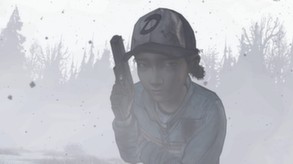
The Walking Dead: Season Two continues the story of Clementine, a young girl orphaned by the undead apocalypse. Left to fend for herself, she has been forced to learn how to survive in a world gone mad.
Modeled estimate, not a reported figure. How we estimate →
Prices
Each in the currency that store quoted — not converted: the gap between two rows is the publisher's pricing, not an exchange rate.
Discounts
Every price cut of more than 20% we have observed, in each market that quoted one, with this game's chart position on either side of it. These are episodes, not a model: a sale is one event, and one event cannot tell you what the next one will do.
Reviews, worldwide (the counter carries no country): 2.29/day in the week to Aug 22 → 3.86/day in the week after.
For scale, across Steam · Top Sellers · Brazil over the last 30 days: the 23 chart moves that followed a price cut of more than 20% went a median of 14 places towards #1, and the 2,515 moves with no price cut behind them went 2 away. One store, one chart, one country — it is the only place we have enough observations to say even that.
Prices outside the United States have been collected since 6 August 2026 and chart positions since 19 July 2026, so a cut older than that has no market to compare and a market that joined later has no history yet. Nothing here is converted between currencies.
About
Genres
Sums Steam only; Xbox, GOG, Epic, Nintendo publish no volume signal, so the true total is higher by an unknown amount.
| Store | Price | Audience | Score | Chart | Est. revenue |
|---|---|---|---|---|---|
SteamYou are here | $14.99 | 34Kreviews | 97% | — | $9.5M |
| $14.99 | 10.7Kratings | 92% | — | not modelled | |
Updates
Build ids and update times come straight from Steam's PICS — the same source SteamDB reads. Patch history grows as we record new builds.
Engagement
Reviews
Themes across 972 recent reviews and how positive each mention is. A keyword signal, not full sentiment analysis.
Reviews
nice for the story
Tão bom quanto o primeiro.
The Walking Dead Season 2 é pesada demais. A evolução da Clementine é absurda, você literalmente vê ela deixando de ser uma criança pra virar alguém que precisa sobreviver no caos. Muita gente importante morre e isso só deixa tudo mais difícil. Cada decisão parece errada de um jeito diferente, kkkkk, é aquele tipo de jogo que te faz pensar demais antes de clicar. No fim, é mais sobre sobrevivência e escolhas difíceis do que qualquer outra coisa. E isso deixa tudo ainda mais marcante.
Media

Related
Related
Price dynamics, follower growth, revenue and sales trajectories with interactive tooltips
This and every other Pro feature is free until October 20, 2026. A free account is all it takes.
Every market we collect.
Stats
All-time low is the lowest price we've recorded for this game since we started tracking it.
Languages: English**languages with full audio support
| $2.99−80% |
| 316ratings |
| 80% |
| — |
| not modelled |
| $14.99 | — | 98% | — | not modelled |
| $14.99 | — | — | — | not modelled |
Matched by title — a reused name can pair the wrong games. * is a critic aggregate. Prices and positions are each store's United States storefront; Epic charts worldwide. Audience and Score too, except Steam's, which is worldwide.
Hours played at review time, across 978 reviews with recorded playtime.
positive critical· bar length = how often the theme comes up
[Okay, I'll stay at Wellington] T_T
[h3][b]Every Choice Could Be Your Last...[/b][/h3] [b]Story 9.5[/b] Starting after Season One, we follow Clementine eight months later. Alongside Omid and Christa, she searches for Wellington in Ohio, a rumored safe haven where they can stop living as nomads in post-apocalyptic America. Along the way, she meets new and familiar faces, loses some of them, and keeps moving forward with a mission not only to survive, but to protect others, especially the vulnerable. The themes are strong, exploring Clementine as a teenager searching for protector figures while slowly becoming a capable survivor herself. She must navigate a world filled not only with walkers, but with people who exploit weakness for their own gain. The choice-based system takes on a bleaker tone, with morally ambiguous decisions often leading to grim outcomes no matter what you choose. Adults constantly fail her, and safety rarely lasts, making this the darkest Telltale Walking Dead season. The characterization is stronger here. Not only Clementine, but also the antagonists and deuteragonists feel layered. Carver is a cruel villain who still prioritizes the group’s survival above all else. Kenny is loyal and protective, yet can become a threat to anyone who opposes him. This forces the player to question moral judgments in a collapsed world where no one is truly clean. I only wish Carver had stayed longer. Despite the higher budget, the game still relies on the "illusion of choice", where many decisions have little effect on final outcomes. That is not necessarily bad, but dedicated players may find it tedious. Overall, Season Two delivers a gloomy story of choices and consequences, showing survival takes more than hope alone. [b]Gameplay 9[/b] As a player-driven narrative shaped by the choices you make, Telltale carries over the core mechanics from Season One and 400 Days into Season Two, while introducing a few new elements to give returning players a fresh feel as Clementine’s story continues. The foundation remains the same, with point-and-click exploration, a dialogue system that heavily influences outcomes, action sequences built around QTEs, and episodic progression where your decisions shape relationships with other survivors. The additions are fairly minimal. The action sections are refined, with QTEs made more streamlined and better aligned with the game’s tone. There is also the returning mechanic of holding a click while moving with the arrow keys from 400 Days, along with simpler QTE inputs using directional keys that require quick reactions. While the number of new mechanics is limited, it works well since the gameplay foundation from Season One already fits the story effectively. However, some elements that made Season One stand out are scaled back in favor of a more linear and tightly paced experience. Exploration segments are reduced, which makes the world-building feel less immersive. On top of that, the sense of an illusion of choice becomes more noticeable here, as different decisions tend to converge more quickly within the story. As a result, choices can feel less impactful compared to the first game. [b]Graphics 10[/b] Despite the limitations of its engine and technology, Telltale clearly pushed to improve the game’s overall visuals. It leans into a bleaker and grimier aesthetic that better fits the story, with changes like dimmer lighting and a colder tone to strengthen the atmosphere. The environments are more detailed and varied, even incorporating seasonal shifts that add visual contrast, while the refined comic book art style feels smoother and more stylized through its cel-shading, staying closer to the source material. Altogether, these upgrades give the journey a stronger sense of progression and help the game hold up better than many titles from the early 2010s. Character models also benefit from these improvements, showing greater detail and definition that allow emotions to come through more clearly. This is paired with more natural expressiveness, which is especially important for a game that relies heavily on close-up dialogue scenes. The camera work and animation are also more polished and fluid, with scenes framed in a way that feels closer to film and television cinematography. The user interface in Season Two is another highlight. Even if the dialogue system feels simpler than in Season One, it remains just as effective. The overall design is clean and visually pleasing, from the interactive cursor to the standout main menu. The menu not only presents options but also includes a choices summary, using a creative color palette that evolves with each chapter. The summary itself is styled like aged paper with dark, worn edges, adding to the game’s atmosphere. [b]Sounds 10[/b] Scored by Jared Emerson-Johnson, the Season Two soundtrack builds on the previous game’s audio identity, further reinforcing its bleak and somber tone through an atmospheric soundscape and familiar instrument choices carried over from Season One. Some standout tracks include “Truck Stop,” with its guitar work that suggests a sense of hopeful beginnings, “Clementine Calm,” a more subtle yet still melancholic take on “Clementine Suite,” and “Carver’s Yard,” which perfectly captures the tension at Howe’s, where a single mistake can instantly turn the situation for the worse. As for the voice acting, it is clear that a significant amount of effort and budget went into it. Alongside the already impressive performances from returning characters, the new cast is just as strong, featuring skilled voice actors and even recognizable Hollywood talent. The most notable examples are Michael Madsen as Carver and Kumail Nanjiani as Reggie. Overall, the game not only preserves what made Season One’s soundtrack and voice acting so effective, but also refines and elevates them even further. [b]Replayability 7.5[/b] While the main gameplay remains more or less the same as Season One, this entry introduces a few twists that affect replayability. Starting with the positives, Clementine serves as a more flexible moral lens. She feels less predictable than Lee, which makes players more curious about how she interprets each situation. The moral ambiguity is also more subtle, allowing room to explore both selfless and selfish choices. On top of that, the environmental storytelling stands out. Revisiting scenes not only highlights the impressive level of detail, but also reveals visual cues that reflect the emotions in each chapter. Even though the game offers multiple endings depending on who you side with in the final confrontation, the illusion of choice becomes more noticeable here. Decisions tend to converge too quickly, and some character arcs seem to ignore your influence despite your efforts to shape them. Because of this, the replay value ends up feeling a bit uneven when everything is taken into account. [h3][b]Overall 9.2[/b][/h3] The Walking Dead: Season Two builds on its predecessor with a darker narrative that strengthens character complexity and reinforces its themes of trust, survival, and moral ambiguity through Clementine’s evolving role. Its gameplay remains structurally familiar, with minor refinements supporting pacing, though reduced exploration and faster narrative convergence make player choices feel less impactful over time. Visually and sonically, the game shows clear improvement, using a bleaker aesthetic and refined audio design to enhance atmosphere while maintaining the series’ identity. As a result, Season Two succeeds as a more intense and focused continuation, even if its tighter structure and reliance on the illusion of choice limit long-term replay value.
me encanta la historia, siento que es muy entretenida y la verdad genera bastante tension, las desiciones la verdad que estan bastante bien hechas y me gusta el hecho de que cada desicion tiene su consecuencia, este juego es una obra de arte!
Amazing follow up to peak storytelling game
“¿Juegas como una niña de 11 años en un apocalipsis zombie? Seguro que será fácil y relajante”. Las mayores mentiras de la historia: 1. “Solo la puntita”. 2. “Mañana empiezo el gimnasio”. 3. “The Walking Dead Season Two no me va a destruir emocionalmente”. The Walking Dead: Season Two es básicamente un simulador de depresión con Quick Time Events, y aun así lo digo sin exagerar: es una de las mejores experiencias narrativas que he jugado en mi vida. Telltale agarró todo lo bueno de la primera temporada, lo metió en una licuadora emocional y dijo: “¿Y si ahora hacemos que el jugador sufra tomando decisiones imposibles siendo una niña traumatizada rodeada de adultos inútiles?” Y funciona DEMASIADO bien. Clementine pasa de ser “la niña que proteger” a ser literalmente la persona más competente del grupo. No importa la situación: hambre, nieve, zombis, secuestros, tiroteos, discusiones, adultos tomando decisiones con el coeficiente intelectual de una tostadora… al final todos miran a Clementine como si fuera Batman con gorra. Y tú ahí pensando: “¿POR QUÉ DEPENDE TODO DE MÍ SI TODAVÍA NO PUEDO NI SACAR EL CARNET?” Lo increíble es cómo el juego logra que te encariñes con personajes en tiempo récord para luego: * traumatizarte, * hacerte sentir culpable, * destruirte psicológicamente, * y encima mostrarte estadísticas al final del episodio para que descubras que el 87% de los jugadores tomó mejores decisiones que tú. Gracias, Telltale. Muy amable. Kenny merece una mención aparte. Nunca había conocido a alguien capaz de pasar de: “hermano, te quiero” a “voy a provocar una guerra civil” en aproximadamente 3 segundos. Cada conversación con él se siente como desactivar una bomba hecha de traumas, gasolina y problemas de ira. Y aun así… acabé queriéndolo igual. Ese es el nivel de escritura que tiene este juego. La atmósfera es brutal. La nieve, el aislamiento, la sensación constante de peligro… aquí los zombies ni siquiera son lo peor. Lo peor son las personas. El juego deja clarísimo que en el apocalipsis la humanidad no colapsaría por los muertos vivientes, sino porque la mitad de la gente tomaría decisiones dignas de un tutorial fallido de supervivencia. Y sí, hay momentos donde las decisiones quizá no cambian tanto como prometen. Hay ilusiones narrativas, rutas que convergen y algún personaje que muere tan rápido que ni te aprendes el apellido. Pero honestamente, cuando un juego consigue que te quedes mirando la pantalla en silencio cuestionando tu moral durante 20 minutos, significa que hizo algo bien. También quiero denunciar públicamente algo: este juego me hizo decir frases como: * “Tal vez el asesino paranoico tiene un punto”. * “Confiar en la gente fue mi error”. * “Una niña de 11 años debería dirigir este grupo”. Y LO PEOR ES QUE TENÍA SENTIDO. Visualmente envejeció con dignidad, la banda sonora pega durísimo y el doblaje emocionalmente debería estar prohibido por la Convención de Ginebra. No es un juego para “divertirse”. Es un juego para sufrir de calidad. Lo recomendaría incluso a gente que no juega videojuegos normalmente, porque esto está más cerca de una serie interactiva brillante que de un juego tradicional. Y cuando termina… te deja ese vacío raro de: “necesito abrazar a alguien o empezar otra partida inmediatamente”. Obra maestra narrativa. Trauma garantizado. 10/10. Nunca volveré a ser feliz.
Solid series. Solid game.
Игра Топ,Карвер гандон.
Active players
Estimated daily and monthly active players (DAU/MAU) modeled from peak concurrency.
Players by region
Where this game's players are, estimated from review languages.
Players also reviewed
The games this title's players most often review too — audience affinity.
Related
| Game | Estimated lifetime revenue | Reviews | Review score | Price |
|---|---|---|---|---|
| $20.6M | 80.6K | 97% | $14.99 | |
| $6.8M | 21.5K | 95% | $19.99 | |
| $5M | 18.6K | 84% | $14.99 | |
| $2.2M | 8.3K | 81% | $14.99 | |
| $3.1K | 19 | 37% | $9.99 | |
| $14.9M | 40.3K | 98% | $14.99 |
Related
| Game | Estimated lifetime revenue | Reviews | Review score | Price |
|---|---|---|---|---|
| $9.5M | 25.5K | 97% | $19.99 | |
| $9.4M | 19.2K | 94% | $14.99 | |
| $9.4M | 227.8K | 87% | $3.99 | |
| $9.4M | 16.7K | 82% | $24.99 | |
| $9.5M | 18.2K | 94% | $29.99 | |
| $9.5M | 16.7K | 90% | $16.99 |