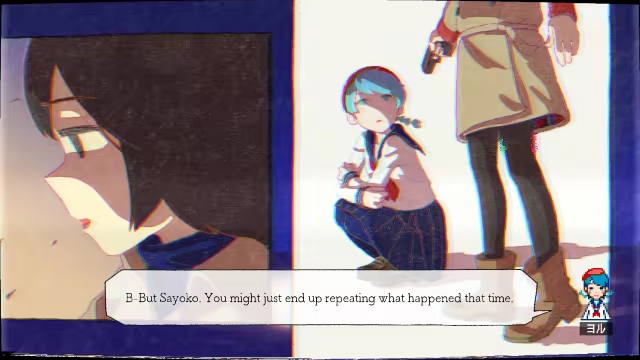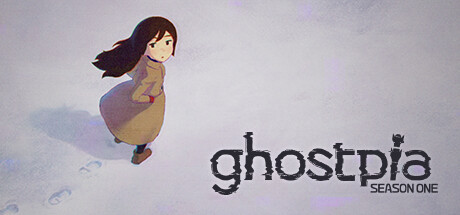
"In my dreams, I can get out. In my dreams, I can fit in." 'ghostpia' mixes the adorable art style of an illustrated book with glitches-and-noise effects. There are no choices to be made. There's only a lonely girl in a ghost town and her story full of mystery, friendhood...and a bit of violence.
Modeled estimate, not a reported figure. How we estimate →
Prices
The United States storefront in every case, so this compares stores and not countries.
Discounts
Every price cut of more than 20% we have observed, in each market that quoted one, with this game's chart position on either side of it. These are episodes, not a model: a sale is one event, and one event cannot tell you what the next one will do.
Reviews, worldwide (the counter carries no country): 0.38/day in the week to Jul 21 → 0.4/day in the week after.
For scale, across Steam · Top Sellers · Brazil over the last 30 days: the 26 chart moves that followed a price cut of more than 20% went a median of 7 places towards #1, and the 2,400 moves with no price cut behind them went 2 away. One store, one chart, one country — it is the only place we have enough observations to say even that.
Prices outside the United States have been collected since 6 August 2026 and chart positions since 19 July 2026, so a cut older than that has no market to compare and a market that joined later has no history yet. Nothing here is converted between currencies.
About


Sums Steam only; Nintendo publishes no volume signal, so the true total is higher by an unknown amount.
| Store | Price | Audience | Score | Chart | Est. revenue |
|---|---|---|---|---|---|
SteamYou are here | $19.99 | 870reviews | 93% | — | $220.6K |
| $19.99 | — | — | — | not modelled |
Matched by title — a reused name can pair the wrong games. * is a critic aggregate. Prices and positions are each store's United States storefront; Epic charts worldwide. Audience and Score too, except Steam's, which is worldwide.
Engagement
Reviews
Themes across 62 recent reviews and how positive each mention is. A keyword signal, not full sentiment analysis.
Reviews
打到游戏的第三章让我感到很难过,女主的一些心理活动让我想起了自己看待一些问题的方式... 打完会再写。
很不错 期待下一部
刚打开游戏就好喜欢! 美术风格和思路太牛了,故事也很有趣 翻译还做了不少谐音梗,笑得 然后稍稍微微为克拉拉发个声!
Media

Related
Related
Price dynamics, follower growth, revenue and sales trajectories with interactive tooltips
This and every other Pro feature is free until October 20, 2026. A free account is all it takes.
Genres
Stats
All-time low is the lowest price we've recorded for this game since we started tracking it.
Languages: English, Japanese, Simplified Chinese, Traditional Chinese
Hours played at review time, across 62 reviews with recorded playtime.
positive critical· bar length = how often the theme comes up
永恒的生活是什么样子的呢,我听说了幽灵镇的设定之后就这么想着,然后我看主角们的冒险,看他们之间的友情和玩梗,所以玩完之后就不在乎怎么样了。因为主角们在幽灵镇这么没有意义的地方也守护着温馨和友情,有什么必要去考虑那些叨叨唠唠的深刻问题呢。音乐好听,其电波声和花屏也及其有表现力,画风可爱,剧情衔接也很妙啊看日常丝毫不觉得无趣,第二季快端上来罢 不要再迫害克拉拉了,多可爱啊
ghostpia Season One, developed by Chosuido and published by room6 alongside yokaze, delivers a visual novel experience built around atmosphere, emotion, and mystery rather than traditional gameplay systems. Instead of offering branching routes or player-driven outcomes, it presents a carefully directed story that unfolds like an animated novel, prioritizing emotional depth and worldbuilding over interactivity. The result is a title that confidently embraces its identity and creates an experience that feels both unusual and memorable within the visual novel genre. The story takes place in an isolated town buried beneath endless snowfall, inhabited by ghosts who continue existing in a strange state where death no longer carries meaning. This unusual premise immediately creates intrigue, establishing a setting that feels detached from reality while maintaining emotional familiarity. Players follow Sayoko, a young girl struggling with loneliness, belonging, and complicated personal relationships while navigating this mysterious frozen world. Through her perspective, the narrative explores themes of isolation, identity, and the desire to find a place where one truly belongs. One of the strongest aspects of ghostpia Season One is its worldbuilding. The snowy town is not simply a backdrop but a central part of the experience. Every detail contributes to an atmosphere filled with melancholy and quiet unease. The game slowly reveals the rules governing its supernatural society, encouraging players to piece together information naturally as the story progresses. Rather than overwhelming players with exposition, the narrative trusts its audience to absorb details over time, making discoveries feel rewarding and meaningful. Presentation plays a major role in what makes the game stand out. The visual style embraces distortion effects and dreamlike imagery that create the impression of experiencing faded memories or fragments of a forgotten past. Character art remains expressive throughout emotional scenes, while environmental designs reinforce feelings of loneliness and mystery. The unusual visual approach gives ghostpia a unique personality that separates it from more conventional visual novels. Instead of relying entirely on familiar genre conventions, it builds an identity that feels distinctly its own. The soundtrack complements the storytelling exceptionally well. Music shifts naturally between moments of warmth, sadness, tension, and reflection without ever feeling intrusive. Combined with voice performances and polished audio design, the game creates emotional weight that enhances important narrative developments. Quiet scenes gain additional power through careful sound direction, allowing conversations and emotional moments to linger in the player's mind long after they pass. Character writing is another major strength. Sayoko serves as an engaging protagonist because her emotional struggles remain understandable despite the surreal setting surrounding her. Her relationships with supporting characters gradually evolve, revealing personal histories and emotional layers that deepen investment in the story. The cast feels believable within the strange world they inhabit, avoiding the trap of existing purely to serve plot progression. Conversations often reveal vulnerability and emotional complexity that make interactions feel authentic. The game also succeeds because of its willingness to tackle larger themes beneath its supernatural premise. Immortality, stagnation, loneliness, and the search for personal meaning all become important ideas explored throughout the narrative. The strange town functions almost as a reflection of emotional struggles many people experience in reality. Characters burdened by endless existence and emotional wounds bring surprising depth to what initially appears to be a simple fantasy mystery. Its pacing may prove divisive depending on player expectations. Those looking for constant action, heavy gameplay systems, or major decision-making mechanics may find the slower storytelling approach demanding patience. ghostpia Season One takes its time building emotional investment and atmosphere. Certain mysteries unfold gradually, and some answers remain deliberately out of reach. However, players willing to embrace its slower rhythm will likely find the deliberate pacing rewarding rather than frustrating. As the opening half of a larger story, Season One manages to balance immediate emotional payoff with anticipation for future developments. It establishes compelling mysteries while delivering enough meaningful progression to avoid feeling incomplete. The ending encourages curiosity about what comes next while still providing satisfying emotional movement for the characters introduced here. ghostpia Season One succeeds because it understands exactly what kind of experience it wants to create. It delivers a visually striking and emotionally resonant narrative driven by strong atmosphere, memorable characters, and thoughtful storytelling choices. Chosuido demonstrates considerable confidence in narrative design, while room6 and yokaze help deliver a polished presentation that supports the game's artistic ambitions. For players who enjoy story-focused experiences that prioritize emotional storytelling over gameplay complexity, ghostpia Season One offers something genuinely distinctive. It may not appeal to everyone, especially those expecting traditional visual novel branching systems, but for audiences willing to immerse themselves in its haunting world, it delivers an experience that stays with them long after the final scene. ghostpia Season One stands as a beautifully crafted visual novel that combines mystery, emotion, and artistic ambition into a compelling narrative journey that leaves a lasting impression. Rating: 9/10
好玩(?)相比于游戏这更像是一本“书”,但和传统的书有很大区别,非常值得品鉴的一款特立独行的游戏。
克拉拉可爱,想打
神作
整体的美术设计真的非常棒,一眼就觉得很合胃口,音乐也喜欢,世界观设定也很新颖,可惜作为视觉小说感觉编剧不太擅长讲故事,祈愿一下season2会有超出预期的发展
很infp的作品,好温暖
Selling now
See how fast this game is selling right now — estimated copies and revenue per day from recent review growth.
Players by region
Where this game's players are, estimated from review languages.
Players also reviewed
The games this title's players most often review too — audience affinity.
Related
| Game | Estimated lifetime revenue | Reviews | Review score | Price |
|---|---|---|---|---|
| $20.5M | 34.1K | 97% | $8.99 | |
| $1.6M | 2.4K | 95% | $19.99 | |
| $15.8K | 128 | 95% | $7.99 | |
| $0 | 0 | — | Free | |
| — | 0 | — | — | |
| $7.7K | 8 | 88% | $24.99 |
Related
| Game | Estimated lifetime revenue | Reviews | Review score | Price |
|---|---|---|---|---|
| $220.6K | 2.3K | 80% | $4.99 | |
| $220.5K | 467 | 29% | $19.99 | |
| $220.7K | 2.5K | 53% | $4.99 | |
| $220.4K | 3.3K | 54% | $2.59 | |
| $220.7K | 505 | 82% | $12.99 | |
| $220.7K | 1.3K | 63% | $8.99 |