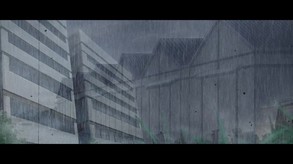
It is the year 1988. Japan is in the midst of the bubble economy. New buildings are sprouting up everywhere, and the people are ecstatic. This is a story of people who live for one year... in such a little corner of the city.
Modeled estimate, not a reported figure. How we estimate →
Prices
Each in the currency that store quoted — not converted: the gap between two rows is the publisher's pricing, not an exchange rate.
14 of 15 markets; the rest we haven't asked for this title, not markets where it is unavailable.
Availability
We put this game to every storefront we collect. A market that answered not sold has told us something about the game; a market we never asked has not, and the two are never drawn the same.
Discounts
Every price cut of more than 20% we have observed, in each market that quoted one, with this game's chart position on either side of it. These are episodes, not a model: a sale is one event, and one event cannot tell you what the next one will do.
Reviews, worldwide (the counter carries no country): 0.14/day in the week to Aug 15 → 0.57/day in the week after.
For scale, across Steam · Top Sellers · Brazil over the last 30 days: the 26 chart moves that followed a price cut of more than 20% went a median of 7 places towards #1, and the 2,400 moves with no price cut behind them went 2 away. One store, one chart, one country — it is the only place we have enough observations to say even that.
Prices outside the United States have been collected since 6 August 2026 and chart positions since 19 July 2026, so a cut older than that has no market to compare and a market that joined later has no history yet. Nothing here is converted between currencies.
About
— An encounter in Tokuo
— that nothing about love

Visual Novel

It is the year 1988. Japan is in the midst of the bubble economy.
New buildings are sprouting up everywhere, and the people are ecstatic.
The old disappears and the new is born,
but there are some people, some places, some things, that nobody notices...
or perhaps nobody chooses to notice them.
This is a story of people who live for one year...
in such a little corner of the city.

Kanna is a first-year high school student
who's involved in a traffic accident during the summer.
She finds herself unable to stay in her hometown any longer.
Jing fails his university entrance exams in China.
He spends a year or so working at a job he doesn't like.
Both of them hear of the incredible opportunities presenting themselves
in the bubble economy of Tokyo.
Therefore, Kanna drops out of high school and goes to Tokyo.
Jing quits his job and goes to Japan.
The job both of them set their eyes on,
would have them simply living in an old, run-down train station.
Although the job only pays a measly 400 yen per hour, it runs for 24 hours a day,
so it really isn't that bad.
They wouldn't have to pay rent, heating, or electricity.
Kanna is a bit awkward around people, and Jing doesn't speak Japanese.
The employer only wants one person.
Neither wants to give up on this job, so Sakura, the woman in charge of hiring them,
recommends that they simply do it together.


Age 19 → 20
"I have a goal."
He failed his university entrance exams in China and went to Japan.
What surprises him the most during his time there is the cost of living.
A day of part-time work in Japan earns more than a month of salaried work in China.

Age 15 → 16
"I was unlucky... That's what I decided to think."
She dropped out of high school and moved to Tokyo because of the bubble economy.
She's a little introverted.
She enjoys eating sunflower seeds.
Height 159cm, Measurements 81/62/87

Age 7 → 8
"Sis, buy me ice cream! Ice cream!"
She follows her sister to the big city.
She's bubbly and upbeat, but never afraid.
She's still a child, so she doesn't really understand what's going on.
Height 128cm

Age 21 → 22
"Many people still have a lot to deal with. Like you and me."
She grew up in Tokyo. Her family is involved in the real estate business.
She employs both main characters.
She's nice and approachable, but she can put her foot down when needs be.
Height 165cm, Measurements 89/60/90

Age 37 → 38
"I don't do stuff that doesn't earn money."
He came to Japan twenty years earlier from China.
For various reasons, he keeps trying to push dangerous jobs on Jing.
Most of his business is in nightclubs and land speculation.

Age ???
A black cat.
He lives in the old station building.
He seems friendly, but runs away if you try to catch him.

Original Story · Scenario: Tomo Kataoka
Concept Art: Werkbau
Character Art: Werkbau, Ringo, Takehiko Akino, Yatumi Suzuame
Scene Art: Ringo, forfreedo, Kyarumii
Cast: M.N.H, Hiroko Taguchi, Kaori Nazuka, Yuko Goto, Jin Li, Tomoe Tamiyasu
Music: bermei.inazawa
OP Vocal: Annabel
BGM Vocal · Chorus: lasah, Raheem "Mega Ran" Jarbo, Mari Yura, Annabel, Shouichi Taguchi, Mashiro Shirakami
LOGO Design: Nachi Kio (KOME WORKS)
UI Design: Mu Xia
Visual Design: C.I.C, Mu Xia
Movie: C.I.C, Yazi
Performance · Script: 2B, Koraku
Program: Xiao Ai 363
Operation · PR: Xue Han
Web Design: Yume Amamiya, Shi Jiu
Planner · Director · Producer: Koraku
Translation: Holm Hinners
Editing: tyabann
Script Insertion: Alice Davidson
Image Editing: Liew Shan Yuan
Quality Assurance: R. Stuart
Project Manager: John Baumlin, PMP
General Manager: Koji Hotta
Beta Testers: Dizzy Valiel, arccun, Cassandra Hockaday
Add-ons
Each DLC is estimated with the same model as a game, then summed — a modeled figure, not reported DLC sales.
Engagement
Reviews
Themes across 64 recent reviews and how positive each mention is. A keyword signal, not full sentiment analysis.
Reviews
很早以前玩的手机端,借着续作要出的机会重玩了一遍并补了以前没玩的dlc,不得不说真是部好作品。因为语言不通反而能向对方倾吐真心话的桥段非常喜欢。美术音乐不错,配音质量高(当时国配质量高挺难得的),演出也是十分地丰富,是我玩过第一部不停在动的视觉小说(笑)。最后是一点场外的事:明明作中都写了“并非恋爱的邂逅”了,怎么还有那么多人觉得景和栞奈要在一起啊,就算要发展出恋爱关系,根据开头的暗示,那也是景和绘美啊(
故事开头很没逻辑,后面慢慢还可以,有个很大的缺点,全屏估计只有720P,没有高分辨率,不知道为什么。也不支持手柄控制。
并非恋爱的邂逅, 每个人都有属于自己的故事,,包括你和我。
Media

Related
Related
Price dynamics, follower growth, revenue and sales trajectories with interactive tooltips
This and every other Pro feature is free until October 20, 2026. A free account is all it takes.
14 on sale1 answered “not sold”0 we did not ask
The 1 “not sold” market is read from the Steam price pass of Aug 21: that day the store answered for this game elsewhere and gave no price there. The 14 priced markets are the same rows as the table above — each the latest price we hold, dated here when it is older than that pass. The 0 marked “not asked” were not put to this store at all — either it has no storefront there or we do not collect it yet, and neither is a statement about the game. A refusal is a refusal on one day; a store can list a title again tomorrow.
Stats
All-time low is the lowest price we've recorded for this game since we started tracking it.
Languages: Simplified Chinese*, Traditional Chinese, Japanese*, English*languages with full audio support
Hours played at review time, across 64 reviews with recorded playtime.
positive critical· bar length = how often the theme comes up
喜欢片冈的作品,很好的视觉小说,挺有记忆点的,值得尝试
推的第三部gal,之前推了白2和hentai监狱,这部虽然风格不同,但做的感觉很不错,情感很细腻,期待一下世纪末之诗
Christmas Tina -泡沫冬景- is a beautifully written visual novel that quietly delivers one of the most emotionally sincere and atmospheric storytelling experiences available on Steam. Developed by Koraku and published by Nekoneko Soft, the game takes place during Japan’s late-1980s economic bubble period, an era commonly associated with prosperity, neon-lit cityscapes, and rapid modernization. However, instead of focusing on wealth and glamour, the story chooses to explore the forgotten side of that era through the lives of lonely outsiders struggling to survive in a city that promises opportunity while quietly crushing those unable to keep up. The result is a deeply human narrative centered on emotional isolation, immigration, regret, and fragile connections formed between broken people trying to find meaning in their lives. The story follows Jing, a young Chinese man who arrives in Tokyo after failing his university entrance exams, hoping the booming economy will offer him a second chance at life. Instead, he quickly discovers the harsh reality faced by foreigners attempting to survive in an unfamiliar country. Financial instability, language barriers, loneliness, and uncertainty dominate his daily existence. At the same time, the story introduces Kanna, a quiet and emotionally withdrawn Japanese girl whose life was permanently altered by a tragic accident. Both characters eventually find themselves working together at a small train station job barely capable of supporting them financially, yet this ordinary workplace slowly becomes the foundation for one of the most emotionally authentic relationships in modern visual novels. One of the game’s greatest achievements is its atmosphere. Christmas Tina recreates late-1980s Tokyo with remarkable emotional depth and attention to detail. Neon lights, crowded train stations, narrow apartments, quiet winter streets, and aging neighborhoods all combine to create a city that feels alive while also emotionally distant. The setting constantly reinforces the contrast between economic prosperity and personal loneliness. Tokyo is presented as both exciting and alienating, a place filled with opportunity but also emotional isolation for those unable to fully belong within it. The writing is exceptional throughout the entire experience. Unlike many visual novels that rely heavily on exaggerated anime tropes or constant dramatic twists, Christmas Tina takes a far more restrained and mature approach. Much of the emotional impact comes from small conversations, awkward silences, and subtle character interactions rather than explosive drama. The dialogue feels natural and deeply personal, allowing characters to gradually reveal their emotional scars through quiet moments rather than lengthy exposition. Jing is an especially compelling protagonist because of how realistically the game portrays his struggles as an immigrant trying to survive in a foreign country. His uncertainty about the future, difficulty communicating, financial stress, and desire to prove himself all feel painfully believable. The story handles themes of cultural identity and displacement with surprising nuance, showing both the excitement and emotional cost of leaving one’s home behind in search of a better future. Kanna is equally memorable. Her emotional trauma and introverted personality are written with remarkable sensitivity, allowing her development to unfold slowly and naturally throughout the story. Rather than relying on exaggerated emotional breakdowns or sudden personality changes, the game carefully builds her relationship with Jing through shared loneliness, quiet companionship, and gradual trust. Their chemistry feels believable precisely because the story avoids forcing romance too quickly. The supporting cast also contributes heavily to the emotional atmosphere. Characters such as Sakura and Kanna’s younger sister provide moments of warmth and humanity that help balance the overall melancholic tone. Even side characters feel grounded because everyone in the story appears shaped by economic pressure, disappointment, loneliness, or personal compromise. The city itself feels populated by people quietly carrying emotional burdens beneath their ordinary lives. Visually, the game is stunning. The artwork captures the nostalgic atmosphere of 1980s Tokyo perfectly through beautifully detailed backgrounds, expressive character portraits, warm lighting, and carefully constructed urban scenery. Winter streets illuminated by neon lights, cramped apartments, train platforms, and quiet city corners all contribute to a powerful sense of immersion. The visual presentation constantly reinforces the game’s themes of nostalgia, emotional distance, and fragile human warmth. The soundtrack deserves enormous praise as well. Soft piano melodies, melancholic ambient tracks, and nostalgic city themes create an emotional atmosphere that perfectly complements the slow pacing of the story. The music rarely overwhelms scenes but instead quietly enhances the emotional weight of conversations and character moments. Few visual novels use music as effectively as Christmas Tina does, and the soundtrack remains memorable long after finishing the game. The pacing is intentionally slow and reflective, which works heavily in the story’s favor. Rather than rushing through dramatic events, the game allows players to fully absorb the emotional atmosphere and character relationships over time. Everyday conversations and small interactions gradually build emotional investment until the story’s most impactful moments arrive naturally. This slow-burn approach makes the emotional payoff feel far more genuine and powerful. Another impressive aspect is the maturity of the themes explored throughout the narrative. The game quietly examines loneliness, economic inequality, immigration, trauma, broken families, and the search for belonging inside a rapidly changing society. Despite the historical setting, many of these themes still feel deeply relevant today. The story consistently focuses on emotionally vulnerable people trying to survive inside systems that often ignore or exploit them. However, the game is not without flaws. One of the most common criticisms is its extremely slow pacing. Since much of the story focuses on atmosphere and character interaction rather than constant dramatic developments, some players may struggle with the restrained narrative style. Those expecting frequent plot twists or high-energy storytelling may occasionally find portions of the experience too quiet or uneventful. The linear structure may also disappoint players looking for heavy player choice or multiple branching routes. Christmas Tina functions more as a tightly directed narrative than a heavily interactive visual novel, which limits replayability despite strengthening the overall storytelling focus. The melancholic tone may also feel emotionally exhausting for some players. While the story contains moments of warmth and hope, much of the experience revolves around loneliness, regret, poverty, and emotional trauma. The emotional heaviness becomes one of the game’s strengths, but it may not appeal to players seeking lighter or more uplifting narratives. For fans of visual novels focused on mature storytelling, slow-burn character development, emotional realism, and nostalgic urban settings, Christmas Tina delivers an unforgettable experience filled with quiet beauty and emotional depth. It is a story that remains memorable not because of spectacle or shock value, but because of how authentically human its characters and emotions ultimately feel. Rating: 9/10
中间哭了很多次,片冈老师的剧本真的不错,中日文配音也很有代入感。真是每个人都有每个人的故事,每个时代也有每个时代的无奈,能所做的就是在当下把握住身边重要的人。水仙之后还是强推。
从下午三点到现在凌晨四点半 这是一部可以让我一口气推完的神作 一部好作品!特别的感动的好作品!
(剧透警告) “抱歉,用说的,我听不懂的……”“不用,这么听着就好。” “别看这样,大家每个人都有自己的故事。你和我也不例外。” 《泡沫冬景》,5.2小时,通关。 综合评价为:超强的情绪流,超巧思的演出,剧情架构有些酸。 作为口碑一直很好的合拍作品,我对它的期待还是很高的。推完之后的那一刻我是在吐槽的,但回过味去,却又不得不给一个很高的评价。 先把美术资产和演出放一起说吧。美术资产的量不算特别大,但演出上大分,把美术资产充分开发出来了。如果是“对话框、选项栏”的常见UI,同一张长椅上来回多个组合地放CG会有制作组没钱的嫌疑,但《泡沫冬景》的演出设计时时刻刻地在引导观众的注意力,让人甚至会忘记这件事,结合到超强的情绪流上,用同一张画面反而强化了这张长椅的情绪分量。对话中来回切换两个人的位置去体现两人的陌生;文字出现在中心没有被滥用,可以带来很好的情绪重量。上大分! 呐!从黑边里探出来小妹妹的半个脑袋真的很可爱! 然后是音频部分。音乐很自然,而且听起来是跟着剧情和演出去作的曲,推完之后竟然没有“某一支曲一直在被复用”的印象,很有OST的味道。音乐的情绪好像是藏在时代背景后面的,忧伤、吵闹、无奈、欣喜,都是跟着氛围在走。太好了,我喜欢这个。 配音。有点扣分。虽然cv一个颤抖的吐气就能听出很扎实的基本功,但高潮和日常明显监修的力度不一样。 情绪高点上的表现很够,甚至音乐会给配音让路,cv在空窗里展现了很好的情绪爆发。 但日常回里,不管是中文还是日文都没啥变化,有些失位的感觉。讲的故事很日常,配音反而有点剧场,像是那种一整个漆黑的舞台只有几个打着追光的演员在抱着本子读的感觉……当然,算是标准的做法,但我个人可能会在这样很有真实质感的氛围里追求一些细节。 关于“中文日文没法交流”的刻画,其实并没有额外去下心思。音质也有些……是某种表现上世纪味道的小巧思吗?真的有点全损…… 好,可以到剧情了。 一般会分文笔和结构去研究,但这一本作品,我认为不如从“角色”和“结构”去讨论。文笔没什么可指摘的,日常部分细细碎碎的,但托得故事主线情绪流很顺。应该说秉持了整部作品细细碎碎的风格就是很好的做法了,也不会去期待什么很秀的文字。 角色——很活。真活在背景里的人物,同时又兼具了萌点。既讨喜又真实。 因为描写的很细,人物的形象很有真实感。角色命题上,同是打工挣钱,一个是为了自己其实没想清楚的理想,一个是不需要想清楚地去为家人操劳;细碎习惯上,喜欢嗑瓜子、想穿漂亮衣服、手指很灵活、会跳霹雳舞……众多的小习惯小行为,又融入到背景里去,学会了快速的说话方式以省下话费的无奈、第一天便贴出一张工时表的抠门,情节里又完全可以看出人物的处事逻辑了。又有时代背景的烙印,又有自己很“不值一提”的习惯,每一个角色去写小传都会很丰富,很立体。 尤其要赞赏一下霹雳舞这样的设定。很有时代性。 在立体人物设定的基础上,诸多优秀的情绪流都可以去展现了。最重要的点自然就是“两个人互相不懂对方的语言”,从这里又派生开很多很多的情绪。因为语言不通而互相怨恨、因为语言不通而大吵一架,正因为语言不通所以能放心地说,能去聆听……多说无益,唯有感受吧。 结构上,很喜欢这种表达方式,但具体到情节架构就不是很喜欢。 这个时代背景下,有很多“典型”的悲伤可以去写,可以去狠狠地控诉。可作者只是把它切得碎碎的,用“一个人生闷气吃掉了两份饭”,去把角色写进背景里,反过来也写了时代(好吧,回忆杀的时候写得还是偏露骨的)。很多剧情的通病是,先一通控诉,批判世界怎么黑暗,我做混蛋没办法,然后为了圆一个好结局,把前面的东西都无视掉,再写点好像浪漫主义的玩意儿。而本作很漂亮地抛掉了前半段的无病呻吟,建立了很好的情绪流。 然而在我看来,它的后十章,终究有些掉进了定式的后半段里。结局里先是“她还是得在江先生手下干四年”,可后来又一句“江先生觉得一起做咖啡馆更赚钱”,轻飘飘地把矛盾给带过去了。 看到结局男主把存折送给女主的时候,我其实是在大吐“狗血”的。那一刻觉得剧情很崩,随便搞了两幕回忆杀就让人转变了,虽然心脏病是一以贯之的设定但偏偏就这么发作了……可回头去想,角色的命题又是解决了的。会产生这样的感觉,可能是角色“薄”的原因。 角色虽然立体,但是在结构里很“薄”。比如男主,虽然关于“理想”、“迷茫”写得都很多,但在下决心的那一刻,却又觉得前面准备得不够,应该再多写些个人的努力变成无用功又无可言说,或者再让江先生跟他讲讲自己的过去。再比如女主,虽然已经通篇地在写她的自卑、羞怯,可是决定“自己挣钱不告诉父母”的时候,还是会有些把人看急,觉得不可理喻,应该再上些外部压力,比如让那个车站早些被彻底拆掉。 嘛,可是如果真这么写,又缺少了那种絮絮叨叨的味道。或许生活就是这样“发酸”的东西也说不定,人在受迫之下快速地改变是一种“发酸”,车站只拆了一半,念想也似断非断地“发酸”。个人期待命题的完成、矛盾的解决、尘归尘土归土,但或许“发酸”也是一种很好的美感吧。 还有很多感觉“需要交代”的事情,一开始觉得是缺失了,可回头又觉得“也算是写了”。江先生凭啥要帮女儿去坐长椅?凭啥先让女主陪酒,又发善心让他俩开咖啡店?这里是否缺失一个“我会秉持我的行事方式”或者“我已不再年轻,但可以帮助过去的自己”的交代?可是回头看江先生遇见蒂娜的剧情,又可以说这些“交代”都藏在那一幕里了。 佐仓和江先生的剧情很关键,但是各自都是用一两章的篇幅和很多的演出就盖过去了。江先生的故事里更是跟伊织见了一眼,就从一人一猫变三人一猫了。两个人从配角顿时变成了主角。 并不是不好,只是这样的结构的确单薄。佐仓的心结好像只是为那一回的剧情而存在,对江先生“不再追梦,而要保护家庭”的转变就只是“知道他有这么一层伤心在”的程度,不太会共情,反而那些只写了一两笔的角色倒显得讨喜。嗯,我喜欢伊织小姐的人设。 说多了都有些吹毛求疵了。有些缺失的部分,大概也已经写在DLC里了。还没看,但能相信制作组。真是不容易。 作品不管是资产的硬实力,还是诸多的闪光点,整体上都是要给到顶级的。推荐,蹲续作。
久违的神作
Players by region
Where this game's players are, estimated from review languages.
Players also reviewed
The games this title's players most often review too — audience affinity.
Related
| Game | Estimated lifetime revenue | Reviews | Review score | Price |
|---|---|---|---|---|
| $3.9K | 29 | 93% | $9.99 | |
| $26.3K | 105 | 92% | $8.99 | |
| — | 0 | — | — | |
| — | 0 | — | — | |
| — | 0 | — | — | |
| — | 0 | — | — |
Related
| Game | Estimated lifetime revenue | Reviews | Review score | Price |
|---|---|---|---|---|
| $782.3K | 1.1K | 78% | $39.99 | |
| $782.5K | 1.4K | 89% | $14.99 | |
| $783K | 1.7K | 89% | $19.99 | |
| $781.8K | 1.9K | 85% | $19.99 | |
| $781.6K | 2K | 87% | $19.99 | |
| $781.5K | 3.8K | 76% | $7.49 |