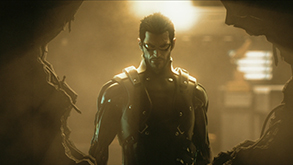
You play Adam Jensen, an ex-SWAT specialist who's been handpicked to oversee the defensive needs of one of America's most experimental biotechnology firms. When a black ops team breaks in and kills the very scientists you were hired to protect, everything you thought you knew about your job changes.
Modeled estimate, not a reported figure. How we estimate →
Prices
Each in the currency that store quoted — not converted: the gap between two rows is the publisher's pricing, not an exchange rate.
14 of 15 markets; the rest we haven't asked for this title, not markets where it is unavailable.
Availability
We put this game to every storefront we collect. A market that answered not sold has told us something about the game; a market we never asked has not, and the two are never drawn the same.
Discounts
Every price cut of more than 20% we have observed, in each market that quoted one, with this game's chart position on either side of it. These are episodes, not a model: a sale is one event, and one event cannot tell you what the next one will do.
About
Genres
Updates
Build ids and update times come straight from Steam's PICS — the same source SteamDB reads. Patch history grows as we record new builds.
Engagement
Reviews
Themes across 961 recent reviews and how positive each mention is. A keyword signal, not full sentiment analysis.
Reviews
This game has amazing combat! But thats where the amazingness ends. The game is tedious, you have to do things that feel monotonous such as going through a security scanner that takes 30 seconds each time in a map that requires you to go back and forth a lot for no reason. Ammo is VERY scarce, the missions are dull and mostly walking or walking some more. If you want an exercise in patience, then this is the game for you. If you are a gamer who likes to have fun, may I recommend anything else? 4/10
[h1]Deus Ex: Human Revolution: Il Metal Gear Solid che non aveva bisogno di Snake[/h1] Ci sono videogiochi che invecchiano. Poi ci sono quelli che, quindici anni dopo, si girano verso l’industria contemporanea e le domandano educatamente: “Ma voi esattamente cosa diavolo state facendo?” Deus Ex: Human Revolution appartiene alla seconda categoria. Uscito nel 2011, per i nostalgici di Kojima fu una manna dal cielo, infatti DXHR è uno dei pochissimi giochi che possano davvero rivendicare l’eredità di [u]Metal Gear Solid[/u] senza sembrare il cugino americano invitato al matrimonio solo perché porta una giacca simile. Le similitudini sono molteplici: stessa ossessione per il rapporto fra tecnologia e potere, stessa paranoia geopolitica, stessa idea del videogioco come strumento per parlare di politica, guerra, controllo e manipolazione. [b]Adam Jensen; quando il maschio protagonista era ancora autorizzato a esserlo[/b] Jensen è un soldato. Duro, competente, operativo, generalmente taciturno e raramente scherzoso. Ha il fascino dell’uomo che, davanti a una porta chiusa, si crea l'opportunità, con carisma e professionalità. È stereotipato? Certamente. È magnetico? Ancora oggi, terribilmente. Ed è interessante proprio perché permette di osservare quanto sia cambiato il videogioco in quindici anni. Oggi il protagonista maschile deve spesso essere rinegoziato, decostruito, vulnerabilizzato, psicologicamente esplicitato, corredato di traumi, insicurezze e almeno un momento in cui guarda malinconicamente la pioggia chiedendosi chi sia veramente. Jensen invece entra in scena e dice, sostanzialmente: “Mi hanno amputato mezzo corpo. Ditemi chi devo uccidere.” Non si tratta di scrittura più o meno sofisticata. È piuttosto una scrittura che non ha paura dell’archetipo. E soprattutto, sotto quella scorza da action hero, Human Revolution costruisce un personaggio immerso in una delle questioni più interessanti del cyberpunk: cosa succede quando il corpo diventa una piattaforma aggiornabile? Quando un arto, un occhio o un cervello potenziato non sono più fantascienza, ma tecnologia proprietaria? Ed eccoci al vero capolavoro. [b]Un art design in Black & Gold, il futuro aveva già trovato la palette[/b] Tagliamo la testa al toro e diciamolo molto chiaramente. Human Revolution è uno dei videogiochi più belli mai prodotti. punto e sfido chiunque a sostenere il contrario. Il black and gold non è semplicemente una direzione artistica: è un'identità visiva talmente precisa da trasformare ogni ambiente in un'immagine riconoscibile. Oro, nero, vetro, metallo, geometrie monumentali, luci calde, architetture oppressive. È cyberpunk senza il solito supermercato di neon viola e saccheggio a Blade Runner. E soprattutto è invecchiato in modo oscenamente dignitoso. Guardi certi scorci di Human Revolution e poi guardi alcuni videogiochi contemporanei con budget tre volte superiore e viene spontaneo domandarsi dove sia finito il reparto artistico: probabilmente a compilare una tabella Excel sui contenuti stagionali. Questo è uno dei pochissimi casi in cui un remake avrebbe davvero senso. Non perché l'originale sia diventato brutto, ma perché un'estetica simile, con tecnologia contemporanea, potrebbe regalare uno spettacolo per gli occhi criminalmente bello. Infatti il cyberpunk più credibile è quello che non ha bisogno di esagerare, il futuro di Human Revolution è estremamente avanzato e contemporaneamente terribilmente plausibile. È questo il suo colpo migliore; non ti dice semplicemente che la tecnologia ha cambiato il mondo. Ti mostra cosa succede quando la tecnologia diventa mercato e strumento politico. Non serve inventarsi Marte; basta prendere il capitalismo, aggiungere qualche arto meccanico e aspettare e questo si riverbera anche nella scrittura sublime. [b]La trama politica: Illuminati, sì. Ma era il 2011, abbiate pazienza[/b] La trama è forse il punto in cui Human Revolution manifesta più chiaramente il proprio DNA Metal Gear. C'è una gigantesca cospirazione, ci sono interessi sovranazionali, multinazionali, terrorismo, controllo dell'informazione e poteri occulti. E sì, ci sono gli Illuminati. Oggi sarebbe quasi sufficiente per far partire una risata preventiva. Nel 2011, però, la faccenda era ancora tollerabile. Non possiamo pretendere che ogni gioco abbia previsto anche l'evoluzione del complottismo da YouTube. Il punto fortunatamente è molto lontano poiché il discorso Illuminati non è nemmeno il MacGuffin. È che Human Revolution usa la cospirazione per parlare di controllo. Chi decide cosa sappiamo? Chi controlla la tecnologia? Chi stabilisce il confine fra progresso e abuso? Quanto è realmente libera una società nella quale l'informazione può essere manipolata da chi possiede i mezzi per produrla? Domande che nel 2011 sembravano fantapolitica, che tenerezza. [b]Game design: quello che oggi ci fa gridare al miracolo, e che nel 2011 era semplicemente un lavoro fatto bene[/b] Qui arriviamo alla parte più importante, Human Revolution non ti chiede semplicemente cosa vuoi fare. Ti chiede come vuoi farlo, e poi di dice "vai fallo". Ogni missione può essere affrontata sfondando la porta principale, hackerando un sistema, infiltrandosi dai condotti, arrampicandosi, esplorando, persuadendo, aggirando o sparando. Libertà assoluta di azione; tant'è che si può perfino finire il gioco senza far cadere una sola goccia di sangue. Ogni combattimento può essere evitato. Ogni spazio può nascondere un percorso alternativo. Ogni conversazione può modificare qualcosa. Il giocatore non è un turista dentro una sceneggiatura ma il responsabile della propria esperienza con una libertà che rasenta quasi il sandbox. Ed è qui che Human Revolution torna a essere figlio di Metal Gear Solid: la narrativa non è soltanto raccontata, è prodotta dal modo in cui giochi. Non c'è una gigantesca freccia gialla che ti urla dove andare, non c'è il personaggio secondario che dopo venti secondi di esplorazione ti telefona per ricordarti che devi aprire la porta davanti alla quale sei fermo. Il gioco ti mette davanti un problema. Tu lo risolvi. Fine. Un approccio innovativo e rivoluzionario chiamato game design. E allora perché funziona ancora? Perché Human Revolution ha una cosa che una quantità preoccupante di produzioni moderne sembra aver smarrito: fiducia nel giocatore. Ed è una cosa che sembra banale finché non si confronta con una certa industria contemporanea, nella quale se trovi un oggetto nascosto dietro una cassa compare un'interfaccia che ti spiega che hai trovato un oggetto nascosto dietro una cassa, mentre l'NPC di qui sopra ti comunica via radio che hai trovato un oggetto nascosto dietro una cassa e una freccia ti indica la cassa dietro la quale hai trovato l'oggetto. [b]Human Revolution invece ti dice: arrangiati.[/b] Intendiamoci non è perfetto anzi; ben lontano dalla perfezione. Non è perfetto. Le boss fight sono il cadavere lasciato sul tavolo operatorio di un gioco che altrimenti ragiona molto meglio di loro; alcune ingenuità narrative sono evidenti e certi dialoghi portano addosso il peso del proprio periodo storico. Ma sono difetti marginali rispetto alla lucidità del progetto. Perché Deus Ex: Human Revolution non è semplicemente un buon cyberpunk. È uno dei migliori esempi di videogioco politico sistemico mai realizzati. Un'opera nella quale estetica, ambientazione, narrativa e meccaniche raccontano la stessa cosa senza pestarsi i piedi. E forse il dettaglio più divertente è che, quindici anni dopo, siamo ancora qui a chiamare “rivoluzionarie” cose che Human Revolution faceva già nel 2011, come faceva prima del più recente impazzimento, Kojima.
Media

Related
Related
Price dynamics, follower growth, revenue and sales trajectories with interactive tooltips
This and every other Pro feature is free until October 20, 2026. A free account is all it takes.
14 on sale1 answered “not sold”0 we did not ask
The 1 “not sold” market is read from the Steam price pass of Sep 10: that day the store answered for this game elsewhere and gave no price there. The 14 priced markets are the same rows as the table above — each the latest price we hold, dated here when it is older than that pass. The 0 marked “not asked” were not put to this store at all — either it has no storefront there or we do not collect it yet, and neither is a statement about the game. A refusal is a refusal on one day; a store can list a title again tomorrow.
Reviews, worldwide (the counter carries no country): 3.89/day in the week to Aug 4 → 4.29/day in the week after.
For scale, across Steam · Top Sellers · Brazil over the last 30 days: the 24 chart moves that followed a price cut of more than 20% went a median of 9 places towards #1, and the 2,419 moves with no price cut behind them went 2 away. One store, one chart, one country — it is the only place we have enough observations to say even that.
Prices outside the United States have been collected since 6 August 2026 and chart positions since 19 July 2026, so a cut older than that has no market to compare and a market that joined later has no history yet. Nothing here is converted between currencies.
Stats
All-time low is the lowest price we've recorded for this game since we started tracking it.
Languages: English*, French*, Italian*, German*, Spanish - Spain**languages with full audio support
Hours played at review time, across 966 reviews with recorded playtime.
positive critical· bar length = how often the theme comes up
Great Game
Introduction Deus Ex: Human Revolution stands as an absolute masterclass in the immersive sim and action-RPG genres. Developed by Eidos-Montréal and published by Square Enix, this prequel masterfully revitalizes the iconic franchise by delivering a gritty, golden-hued cyberpunk vision of the future. Stepping into the augmented shoes of Adam Jensen, players are thrust into a deeply philosophical conspiracy surrounding human evolution, corporate greed, and cybernetic ethics that remains thoroughly engaging from start to finish. Core Gameplay & Multi-Path Choices The defining achievement of Human Revolution is its uncompromising dedication to player freedom and mechanical versatility. The combat style is phenomenally designed, beautifully revolving around distinct Pillars: Action, Stealth, and Social Interaction. Gunplay feels punchy and impactful, while cybernetic augmentations allow players to drastically alter environmental traversal and combat engagement. The structural freedom to approach tasks dynamically is incredibly rewarding, respecting player ingenuity at every corner. Atmospheric Sophistication & Audio Design Narratively and aesthetically, the title delivers a highly stylized experience. The dark, industrial cyberpunk cities are beautifully rendered with a striking black-and-gold color palette, creating a deeply unique visual system and an instantly recognizable atmospheric identity. Michael McCann’s legendary electronic synth soundtrack provides incredible audio quality—shifting fluidly between haunting ambient tones during stealth investigation and aggressive, heavy rhythmic beats the exact millisecond a high-stakes combat sequence initiates. The Flaws: Clunky Enemy AI & Stability Issues However, as an honest storefront evaluation, the game is not without its notable drawbacks. The primary mechanical flaw lies within the enemy combat AI; enemy soldiers often exhibit clunky pathfinding and questionable tactical decision-making, which can occasionally break immersion during intense stealth sequences. Improving enemy behavioral mechanics would have elevated the stealth pacing drastically. Furthermore, from a technical standpoint, the modern Director’s Cut edition unfortunately suffers from optimization inconsistencies. During extended play sessions, players will encounter rare but frustrating technical freezes and sudden desktop crashes. Fortunately, these stability issues occur rarely enough that they do not completely break the overall progression flow, but they remain prominent technical blemishes that demand manual saving caution. Final Verdict Despite its clunky combat AI and occasional stability freezes, Deus Ex: Human Revolution is a brilliant, timeless RPG masterpiece that perfectly balances philosophical narrative depth with complex mechanical freedom. Its intricate level design, phenomenal sound quality, and rich aesthetic atmosphere make it an essential asset within the sci-fi gaming ecosystem. Our Storefront Evaluation Rating: 8.8 / 10 (Highly Recommended)
a game where the bossfight difficulty is in reverse
Nach ca. 32 Stunden problemfreier Spielzeit stürzt das Spiel im DLC The Missing Link ab, ALLE Spiele in der Steam Bibliothek können nicht mehr geöffnet werden oder sind EXTREM langsam. Ich sitze hier seit Stunden und versuche eine Lösung zu finden um ANDERE Spiele zu öffnen. Was für eine Lebenszeitverschwendung, ganz sicher werde ich kein Spiele der Reihe nochmal anrühren.
雖然可能要要花費一些時間處理多核心cpu的問題及漢化,但絕對值得一玩 優秀的遊戲設計,較高的自由度允許同一地圖有多條路線選擇,劇情也不錯
Лучшая Deus Ex
Great Game! As my first Deus Ex game, I think it's a great introduction to the immersive sim genre, and I would recommend it to any Cyberpunk fan.
I never asked for this
Active players
Estimated daily and monthly active players (DAU/MAU) modeled from peak concurrency.
Players by region
Where this game's players are, estimated from review languages.
Players also reviewed
The games this title's players most often review too — audience affinity.
Related
| Game | Estimated lifetime revenue | Reviews | Review score | Price |
|---|---|---|---|---|
| $1.3M | 1.8K | 94% | $19.99 | |
| $1.3M | 873 | 82% | $23.44 | |
| $1.3M | 2.6K | 84% | $16.99 | |
| $1.3M | 2.9K | 91% | $19.99 | |
| $1.3M | 2.9K | 98% | $19.99 | |
| $1.3M | 5.7K | 69% | $11.99 |
Related
| Game | Estimated lifetime revenue | Reviews | Review score | Price |
|---|---|---|---|---|
| $2.5M | 42.3K | 76% | $2.99 | |
| $148.6K | 4.7K | 37% | $1.49 | |
| $334.9K | 15.7K | 95% | $0.90 | |
| $462.2K | 2.5K | 57% | $6.99 | |
| $15.9M | 32.2K | 94% | $19.99 | |
| $11M | 13.9K | 85% | $29.99 |