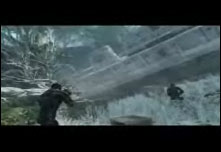
Adapt to Survive An epic story thrusts players into an ever-changing environment, forcing them to adapt their tactics and approach to conquer battlefields ranging from newly frozen jungle to zero-gravity alien environments. Suit up! A high-tech Nanosuit allows gamers to augment their abilities in real time on the battlefield.
Modeled estimate, not a reported figure. How we estimate →
Prices
The United States storefront in every case, so this compares stores and not countries.
Prices
Each in the currency that store quoted — not converted: the gap between two rows is the publisher's pricing, not an exchange rate.
14 of 15 markets; the rest we haven't asked for this title, not markets where it is unavailable.
Availability
We put this game to every storefront we collect. A market that answered not sold has told us something about the game; a market we never asked has not, and the two are never drawn the same.
About

Sums Steam only; Xbox publishes no volume signal, so the true total is higher by an unknown amount.
| Store | Price | Audience | Score | Chart | Est. revenue |
|---|---|---|---|---|---|
SteamYou are here | $29.99 | 13.4Kreviews | 80% | — | $10.6M |
| $19.99 | 1.2Kratings | 70% | — | not modelled |
Matched by title — a reused name can pair the wrong games. * is a critic aggregate. Prices and positions are each store's United States storefront; Epic charts worldwide. Audience and Score too, except Steam's, which is worldwide.
Updates
Build ids and update times come straight from Steam's PICS — the same source SteamDB reads. Patch history grows as we record new builds.
Engagement
Reviews
Themes across 835 recent reviews and how positive each mention is. A keyword signal, not full sentiment analysis.
Reviews
시대에 비해 그래픽과 기술력이 매우 뛰어난, 참으로 혁신적인 작품입니다. 당시 기준으로는 상상하기 어려울 정도로 아름다운 자연 표현과 사실적인 전투 묘사가 인상적이었습니다. 다만 한 가지 아쉬운 점이 있다면, 조선인민군 병사로 플레이할 수 있는 선택지가 있었다면 더욱 흥미롭고 색다른 경험이 되었을 것이라고 생각합니다. 그래도 전반적으로 완성도가 높고 기억에 남는 명작입니다.
[h3][b]Adapt, Engage, Survive[/b][/h3] [b]Story 7.5[/b] A Delta Force unit known as Raptor Team, equipped with advanced Nanosuits, is deployed on a search-and-rescue mission to the North Korean-occupied Lingshan Islands. As Nomad, a stoic lieutenant, we coordinate with fellow operators to evacuate an American civilian archaeological team and secure their research data while navigating islands overrun by the Korean People's Army and a mysterious threat far more dangerous than a conventional military force. From this premise, Crytek structures Crysis around escalating military tension, clearly defined conflicts, grounded dialogue, and a framework of functional heroism suited to the scenario. The story favors clarity and momentum over complexity, presenting a conventional but coherent military-escalation narrative. Yet this simplicity brings clear limitations. Thematic exploration remains surface-level, and much of the plot is conveyed through radio chatter rather than direct character interaction. Emotional stakes rarely extend beyond survival and mission success. Most characters operate as archetypes rather than fully developed personalities. Nomad, in particular, is never treated as a defined protagonist. Though he occupies the center of events, he functions largely as a nanosuit-wearing "mobile camera," present to observe and endure rather than to meaningfully influence outcomes. The result is a narrative that supports gameplay effectively but lacks lasting dramatic impact. [b]Gameplay 8[/b] While the campaign follows a linear sequence of missions, Crysis delivers highly non-linear gameplay through expansive semi-open jungle environments clearly inspired by Far Cry. Objectives can be approached through stealth, aggressive assault, tactical flanking, or long-range sniping. This freedom reinforces the sandbox philosophy that defines the experience. At the center of this flexibility is the CryNet Nanosuit 1.0, offering cloak, strength, speed, and armor modes that can be toggled instantly. Each ability reshapes combat flow. Cloak enables infiltration, strength enhances melee power and mobility, speed allows rapid repositioning, and armor provides temporary resilience under heavy fire. The nanosuit grants empowerment without removing vulnerability, encouraging creative problem-solving rather than reckless domination. Enemy AI strengthens this design with coordinated tactics, defined battlefield roles, and reactive dialogue that communicates information organically. CryEngine 2 expands the sandbox further through advanced physics and environmental interactivity. Buildings splinter under gunfire, foliage bends and tears, objects can be moved or destroyed, and a wide range of vehicles across land, sea, and air broadens tactical possibilities. Encounters often unfold dynamically, shaped as much by player decisions as by scripted structure. However, pacing weakens in the latter portion of the game. The mission "Core" suffers from confusing spatial layout and unclear objectives, disrupting momentum. The introduction of the Ceph shifts combat toward tighter arena engagements that restrict earlier freedom. These issues intensify during "Ascension" and "Reckoning," where awkward VTOL handling, inconsistent physics, and noticeable technical instability create a finale that feels rushed. Even so, the underlying sandbox systems remain strong enough to sustain engagement despite structural missteps. [b]Graphics 10[/b] Released in 2007, Crysis became synonymous with technical ambition and the enduring question, "Can it run Crysis?" Built on CryEngine 2, it set new visual standards through real-time dynamic lighting, soft shadows, advanced normal and parallax-occlusion mapping, and dense fully three-dimensional jungle environments. Vegetation responded dynamically to movement and destruction, reinforcing immersion. Water rendering showcased real-time reflections, refraction, and surface distortion. Extended draw distances and smooth terrain transitions minimized visual pop-in. Physics integration further elevated presentation. Working alongside Havok, the game delivered convincing ragdoll reactions, with enemies responding contextually to direction and force. Animation blended fluidly into simulation, enhancing realism. Character models reflected the same ambition. The CryNet Nanosuit 1.0 became iconic thanks to its layered CryFibril materials, grounded military design, and visually distinct power indicators such as red-illuminated strength mode and yellow-tinted speed mode. The Ceph appeared as intricate flying biomechanical constructs combining organic curvature with rigid alien geometry. Their interiors evoked an H.R.-Giger-inspired hostility without relying on decay or excess. The semi-diegetic visor HUD blended futuristic design with military readability, reinforcing the super-soldier fantasy. Performance remains the primary drawback. Crytek developed the game under the assumption that future CPUs would scale mainly through increased clock speeds rather than multi-core architecture. As hardware trends shifted, performance scaling became limited. Running the game at maximum settings still requires significant processing power, making ultra-smooth performance dependent on high-end systems even years later. [b]Sounds 9[/b] Composed by Inon Zur, the soundtrack blends restrained heroic motifs with subtle tension-driven atmosphere and jungle-influenced instrumentation. The "Main Theme" conveys resilience and national resolve against both terrestrial and alien threats. "First Light" introduces cautious optimism, while "By a Thread" builds escalating tension reminiscent of classic jungle thrillers. Sound design stands among the game’s strongest components. Explosions deliver convincing shockwaves, firearms carry distinct sonic signatures, and positional audio enhances situational awareness. Destructible environments respond with satisfying feedback that reinforces immersion. Voice acting generally maintains an authentic military tone. Performances from Psycho, Prophet, Major Strickland, the nanosuit system voice, and KPA soldiers feel convincing within the grounded framework. However, occasional stiffness persists, especially with Nomad, whose restrained delivery further emphasizes his passive narrative role. [b]Replayability 8.5[/b] Although Crysis offers only a single-player campaign and multiplayer mode, it achieves notable replay value through player agency within its sandbox systems. The freedom to experiment with different tactics, nanosuit configurations, and difficulty levels encourages repeated playthroughs. The enduring visual quality also invites return visits. Following the shutdown of GameSpy, the community preserved multiplayer through the CryMP Network, a fan-run service supporting standard maps and custom modes featuring experimental vehicles and prototype weapons. While the active population remains modest, matches continue to be organized through hubs such as the International Crysis Group on Discord. Modding support significantly extends longevity, with hundreds of modifications available across Nexus Mods and ModDB, ranging from balance adjustments to full single-player expansions that remain actively developed. [h3][b]Overall 8.6[/b][/h3] Crysis stands as an ambitious and influential first-person shooter that excels in sandbox design, technical innovation, and audiovisual presentation. Its semi-open structure, nanosuit mechanics, advanced physics systems, and detailed soundscape create a flexible combat experience that rewards experimentation. These strengths are tempered by a thin narrative, limited character depth, and an uneven final act that weakens cohesion. Despite these flaws, Crysis endures as a landmark title whose technical ambition and gameplay philosophy continue to resonate within the genre.
Media

Related
Related
Price dynamics, follower growth, revenue and sales trajectories with interactive tooltips
This and every other Pro feature is free until October 20, 2026. A free account is all it takes.
Related
| Game | Estimated lifetime revenue | Reviews | Review score | Price |
|---|---|---|---|---|
| $10.6M | 2.8K | 41% | $69.99 | |
| $10.6M | 10K | 88% | $59.99 | |
| $10.6M | 28.7K | 95% | $14.99 | |
| $10.7M | 15.4K | 60% | $23.99 | |
| $10.7M | 15.3K | 75% | $24.99 | |
| $10.6M | 12.1K | 86% | $29.99 |
Related
| Game | Estimated lifetime revenue | Reviews | Review score | Price |
|---|---|---|---|---|
| $11M | 13.9K | 85% | $29.99 | |
| $149.6K | 189 | 94% | $29.99 | |
| $7.9M | 17.8K | 77% | $29.99 | |
| $2.2M | 4.1K | 85% | $19.99 | |
| $784.8K | 11.8K | 82% | $2.99 | |
| $40.1K | 76 | 58% | $19.99 |
14 on sale1 answered “not sold”0 we did not ask
The 1 “not sold” market is read from the Steam price pass of Sep 7: that day the store answered for this game elsewhere and gave no price there. The 14 priced markets are the same rows as the table above — each the latest price we hold, dated here when it is older than that pass. The 0 marked “not asked” were not put to this store at all — either it has no storefront there or we do not collect it yet, and neither is a statement about the game. A refusal is a refusal on one day; a store can list a title again tomorrow.
Genres
Stats
All-time low is the lowest price we've recorded for this game since we started tracking it.
Languages: English, French, German, Spanish - Spain, Italian, Czech, Polish, Russian, Hungarian
Hours played at review time, across 839 reviews with recorded playtime.
positive critical· bar length = how often the theme comes up
Muy buen juego buenos graficos para su epoca
.
如果有一个游戏在2017年发售,用着3A的研发规模,还在只发售PC的情况下,让它的最高特效连四路1080TI都无法驾驭,大家都只会觉得这样的游戏不是优化用脚做的,就是开发商疯了。 而在10年前的今天,2007.11.13,疯子和一个传奇诞生了。 2007不仅是游戏界的大年(有着依然在Game Rankings排行第一的马里奥:银河)。更是FPS这一类型杰作的爆发期 是在切尔诺贝利的暗影中徐徐前进,计算着击杀辐射怪物所需要的弹药。 是在屏息之间扣下扳机,看着子弹的弧线划过罪人扎卡耶夫的臂膀。 是深海之下埋葬的乌托邦,是A man choice,a slave obeys。 肯.莱文与它的Irrational Games带来了惊为天人的《生化奇兵》,从EA叛逃的Infinity Ward打造了《使命召唤4:现代战争》一举奠定了从上世代至今牢不可破的王者地位以及销量神话…还有Bungie的《光环3》,Valve的《传送门》也出现在此年。它们都有着自己得天独厚的优势,是创新的可玩性,是先进的叙事手法。然而,有一款游戏仅凭着一个单纯的日出场景,就深深的震撼了我,这款游戏就是《孤岛危机》。 1:传奇诞生 相比起Crytek的第一部《Far Cry》出世之时,FPS的格局已经产生了改变。当年的并称的FPS三杰,《半条命2》与它的开发商Valve正诚心耕耘Steam的未来,不再在Source上进行激进的技术革新。而id Software在经历了不算成功的《Doom 3》后,一时间归于沉寂。而 也许是初生牛犊不怕虎,在《Far Cry》大秀一手之后。这帮疯子德国人决定要再做一个能够载入游戏图形史的游戏,而且是要远超所处时代。而2007年的PC游戏市场正处于大幅萎缩的状态下,而主机则处于新旧交替的关键期,新生代游戏开始发力。在此时发行一款远超当时硬件水平的PC独占游戏,即便算上所有和硬件商勾搭的阴谋论,这也是一桩难以保证利润的危险买卖(更何况随便羞辱当时的卡皇3路SLI怎么也不会是硬件商的计划之中)。 尽管2007年得益于新主机的硬件加持,诸多游戏用上了各种新技术。在视觉表现上已经足够震慑玩家,但《孤岛危机》比起他们还要高一档。下至甜品上至旗舰显卡在它面前纷纷缴械投降,即便是中等画质,也依旧要高于市面上绝大多数游戏的高特效。在光影,水面和人物模型方面更是无人能及,而Crytek自己提出的数个诸如SSAO的新技术日后也成为了业界标配。 除去惊为天人的画面外,《孤岛危机》半开放的关卡以及超远的视距也带来了相当的自由度。此外,为了一扫前作《Far Cry》在多人部分的不光彩。《孤岛危机》采用了沙盘地图,强调大规模和载具对战的多人模式。类似战地,但比起第一部次世代的战地《战地:叛逆连队》还要更早。并且,游戏自带强大的物理引擎,游戏中拥有大量可以互动的物件,而各种前哨站和板房也能够被轻易摧毁,每块被炸飞的残片都有自己的体积,绝非简单的预设脚本。而在之后发售的《孤岛危机:弹头》中,以AI和物理效果更是得到了进一步的提升,而多人模式也再度提升,以《Crysis:Wars》的单独形式存在。 1.1:好玩的“引擎展示软件” Rapture的剧情能够流芳百世,为人传颂。《COD4》开创的游戏模式能为后人铺路,引领风潮。唯独《Crysis》一览众山小的画面,似乎是最无足轻重的,毕竟“游戏性至上”是永恒不变的真理,而那些曾经让人连连惊呼,不可一世的“显卡杀手”们,不管是2年还是3年,它们总会随着时间褪色,总会有画面更好的后来者居上。 因此,即便孤岛危机在当年搞爆了3路8800U,也没有人认为它的画面优势能持续5年,还一度认为孤岛危机1的配置要求是开发商有意而劣化之的人也不在少数,所幸的是,08年后PC上出现了大量粗暴移植的游戏,不管是画面还是帧数均不尽人意,《孤岛危机1》躺着洗白了。此外除了“显卡危机”这个不算美誉的称号外(在当初的确如此)。《孤岛危机》最大的优势一度成为了它被人引以攻击的部分——可能是当时被冠以“花瓶”称号最多的游戏,即使是今天,还是经常能看见类似的惯有偏见。 也许人生中有时间能将一款游戏钻研透彻,达到无所不知地步的机会并不多。对我而言,这款游戏就是《孤岛危机》。早在小时候,受到了《Quake 3》和《三角洲部队》的影响,我既喜欢那种超人般的速度横冲直撞的古典FPS,也喜欢后者提供的一定程度上选择各种军事装备,以及自行探索较大关卡的感觉。而《孤岛危机》正好同时迎合了这两点。 《孤岛危机》背景设置在2020年,一颗未知的陨石撞击到了北韩海域的灵山岛上,玩家扮演身着高科技纳米服的暴龙小队前往调查未知的信号。据说是为了考虑中国市场,初代中原先设置的假想敌其实是中国,在临近发售时换成了朝鲜。当然从一些游戏场景,资源,和原画中确实能看出原设如此。而且灵山岛本身也是现实中存在于中国的一处岛屿。 而实际上游戏中灵山岛的来源是现实中的塔希提岛以及周边的Moorea和Bora Bora岛。从Crytek实地考察的结果与游戏实际内容来看,可以说是相当还原了。 除了和《孤岛惊魂》一样半开放式的关卡设计外,游戏高自由度的玩法被进一步扩展。实时的武器改装和功能多样的纳米服让进攻的手法变的更为多样化;用速度模式随意撞飞对手,将它们甩在身后。用力量模式将整个板房摧毁,将敌人甩出八米远,还是用隐蔽模式戏耍敌人,看着他们恐惧却无能为力的模样,每种玩法都充满了乐趣。这套高科技纳米服经常让我产生自己是一个类似“铁血战士”的猎手(后来Crytek也确实在3代强调了猎物与猎人这一概念)。 然而与《使命召唤4:现代战争》相比——基本上是当时电影化叙事以及脚本演出的巅峰代表,两者带来的游戏体验某种意义上可以说是完全相反的。《孤岛危机》的流程目标很不紧凑,在前期中的地图里,基本都是只给予你一个大概目标。而且虽然相比《Far Cry》而言,难度下降了不少,但仍然鼓励侦查与渗入。如果一味的采用猛攻打法,这套纳米服的防御模式其实并不如想象中一般坚不可摧。加上游戏中的北韩军队基本都身着厚重的防弹衣和头盔,不针对弱点下手基本提供不了太多“无双的快感”。 这样一来,在剧情上演出较为平淡,以及强调战术和潜行的《孤岛危机》相比起彼时更火爆的线性FPS而言,从直观的爽快度上而言自然是差了一大截。这也就成为了当时不少玩家指责“Crysis不过是个没游戏性的花瓶”的来由。当然,现在我们也看到了,越来越多射击游戏的单人开始强调“多路线”和“玩法自由度”,证明了Crytek的思路并没有错,反倒不少人对如今纯粹的线性电影化游戏感到审美疲劳,而Crytek自己也没能在后续作品中坚持1的道路,也算是一种讽刺。 2:充满创造性的Sandbox 2 《孤岛危机》的另一个惊喜无疑是Mod支持以及其强大的Sandbox 2编辑器,也正是因为它们的存在,才能让《孤岛危机》接连不断的突破自己画质的极限,与此同时,Cry Engine虽然如今并没有成为市面上最受欢迎的第三方引擎,但通过功能强大的Sandbox 2也成为不少人接触游戏开发的翘板。我的许多朋友在《孤岛危机1》时期自发组成了一个团队,通过Sandbox 2制作了一款名为《Mesa RPG》的MOD,如今其中一位朋友:酱油,在育碧上海任职Gameplay Programmer,负责明年的《The Crew 2》,而对Sandbox 2和孤岛危机系列的喜爱也一定程度将我们凝聚在了一起,在10周年之际,我也邀请到他,评论一下那些关于Sandbox与Cryengine的趣事。 2.1:Mesa的开发初衷 感觉对于一个喜欢玩游戏也喜欢游戏开发的高中生来说,做MesaRPG整个过程都是很有意思的。 当时满脑子都是做一个符合自己游戏需求的东西,在最初也没有想过规模会做的比较大,只是看到很多游戏在RPG化之后都能爆发出惊人的游戏性和生命力,于是想着在Crysis里也做一点类似的尝试。那会玩SandBox2大概也有2-3年了,对编辑器各个方面也算比较熟悉,所以没考虑任何风险就开始折腾了。做着做着发现越来越有意思,也就迫切地想扩大这个Mod的规模,最后甚至直接当成游戏来进行开发了(现在看来还真是幼稚啊2333)。 因为策划和开发都是一个人嘛,所以基本是想到什么好玩的点子(或者别的游戏里有什么好玩的点子),就想放到这个Mod里来用。所以最后呈现在Mod里的,除了RPG化的体验以外,还有很多其他系统的大杂烩。可惜没能实现武器升级系统啥的,不过现在想想如果实现了这种东西,那大概就变成了刷刷刷的Mod了。 因为主要的开发精力都放在了游戏性的开发上,剧情和人物什么的,在当时那个年纪并没有什么概念,仅仅只是参考参考别的游戏的样子依葫芦画瓢,所以最后就是俗套的主角一步步变强然后歼灭所在地区的外星人威胁这种小学生水平的剧情了。 实际开发的时候,因为只能使用SandBox2自带的FlowGraph来实现游戏逻辑,整个流程的制约性非常强,很多需要的想要的效果都不太好实现,比如敌人死亡后重新刷新的问题,当时发现要刷新死去的敌人是会产生Bug的,试了各种办法都不能解决,最后只能让敌人被消灭后直接隐藏掉(摊手)。类似的黑科技还有很多,一部分是受制于引擎迫不得已,另一部分则是纯粹觉得好玩。从Mod角度上来说,可能还算合格,但是真正丢到游戏开发里,那都是不可取也不会被测试通过的。 开发时期,孤岛群里的一大帮小伙伴都提供了极大的帮助和支持,最重要的大概是对这个Mod进行反复的测试了。当时还假装很懂的把大家汇报的Bug都汇总起来做了TaskList,结果开发游戏性太好玩了经常就没把Bug太当回事。最后的成品在游戏性上是完备的但在稳定性上却是不及格的。测试的重要性直到我真正加入游戏行业接触了完整的游戏开发体系之后才明白,如果现在再去做游戏,肯定不会草率地疯狂加功能了。 开发Mesa的时候才高一,当时学业上其实是耽误了不少的,后悔倒是完全不后悔,对于做自己喜欢的事情我是有一定的偏执的,感觉也是这种偏执最后让我加入了育碧吧。虽然走了不少弯路也受了很多委屈,但现在回忆起来依旧感觉自己甚是幸运。 2.2:Sandbox 2的特别之处 在我看来SandBox2最有创建性的功能就是FlowGraph。可视化编程带来的不仅仅是准入门槛的降低,同时也极大加速了小规模功能开发的效率。不过当时让我入坑的是它的所见即所得功能,在游戏地图里摆放任意实体/AI/功能物件后,一键便可以进入场景进行游玩——在游戏里玩不过瘾可以在编辑器里创造自己需要的满意的环境,这种造物主的感觉欲罢不能。而在掌握了FlowGraph之后,甚至可以编写很多改变游戏体验的附加逻辑和功能,它真的算是我游戏编程的入门指南了。 可惜的是Crytek的Mod和Engine社区维护的并不令人满意,而游戏本身对部分Mod的支持也不是很优秀,没有Mod工具之类的引导,让很多玩家不能简单地体验到Mod的乐趣。多年后的Steam创意工坊实现了这些,但是CryMod早已不复存在了。 2.3.MOD的开发对个人有什么影响 MesaRPG的开发经历可以说是整个SandBox2的经验总和,是我第一次体验到从无到有的游戏开发,也是游戏系统编写的第一次入门,更重要的应该是让我从一个玩家过渡到了一个开发者。 现在入行两年,体验到了大厂的游戏开发模式,也终于用代码实现了我想实现的,能够进入市场的游戏功能。虽然整个流程相比独立开发要繁琐很多,也的确缺乏了当时独立开发的那种激情,不过作为交换得到的3A游戏开发经验也是极其难得的。 用现在的眼光去看7,8年前的MesaRPG和当时的自己,能总结出很多经验教训,也会想如果用现在的知识和技术去实现当时的项目,会做的多好,不过更多的应该是感慨,感慨自己的无知和幼稚和偏执,反而让自己走上了现在看来最正确的道路。传统游戏行业近几年受到手游和新兴商业模式的冲击很大,整个行业都在寻求改变,这个过程也的确引起了很多包括我在内的玩家的不满,我喜欢给自己定位More than a gamer,希望在这波浪潮中,还能不忘初心吧。 3:钢铁丛林与纳米苍穹 虽然打造了怪物般的《孤岛危机1》,但Crytek并不是一家对于未来规划特别明晰的公司。面对市场,Crytek妥协了,但将《孤岛危机》打造成顶级系列的野心还在。《孤岛危机2》成为了一款更为商业,更为贴合主流口味的作品。除了缩小半开放式关卡的规模,偏向单线性体验外,整体节奏也与《COD》脚本电影化大片套路更为相似,这一点在多人模式上体现的更为明显。此外,作为Crytek第一款登录主机的作品,本作在画面上也有所让步。葱葱郁郁的丛林场景被换成了被外星种族Ceph肆虐的纽约。 有趣的是,可能是怕了那些对于关于《孤岛危机1》勾结硬件商的言论,或者是担忧过高的硬件配置吓走潜在用户。《孤岛危机2》的最低设置也是High(孤岛危机1的从低到高的各项设置画质差别是非常明显的,而在续作中画质之间的差异化也被缩小),而在这个设置下,也有不错的视觉效果,一定程度上总算是扭转了中低配玩家对于《孤岛危机》系列优化奇差的刻板印象。但是仅保留DX9模式以及画质区别不明显的的首发版却激怒了那些1代的拥趸——这一现象直到2代出了DX11补丁,成为当时使用曲面细分最夸张的游戏才得以改善。 从制作规模上而言,Crytek请来了著名的Hans Zimmer(尽管大部分是由Lorne Balfe 和Borislav Salavov完成)配乐。编剧和设定换成了Peter Watts和Richard. K. Morgan。加上当时铺天盖地的宣传攻势,显然Crytek是对此作报以厚望的,“引擎宣传片”的说法并站不住脚。不过事与愿违,迎合主流的《孤岛危机2》虽然质量依然上乘,却未能获得如Crytek想象般的(千万级)成功,仅仅做到了收支平衡。而且《孤岛危机2》遭遇了史上最严重的游戏泄露事件,整个游戏在上市前的3个月就被泄露,而且就我个人当时的体验来看(必须得承认当时太想玩了)。这个泄露版相比正式版除去部分平衡性,BUG与音频缺失外,流程基本与正式版一致,可以从头至尾通关,可想而知对正式版会造成多大的影响。 经过《孤岛危机2》一役的Crytek在续作中缩减了开发规模和时间(但是成本没有降低),《孤岛危机3》针对前作所受到的批判,改用了2代城市+1代丛林的设定,Crytek将其关卡以七大奇迹(Seven Wonder)来宣传。1代中的关卡自由度和2代中的线性体验得到了有效的结合,此外系统与画面也得到了一定程度的进化。然而较短的流程和较为平庸的多人模式还是让《孤岛危机3》市场反响平平,并且依然是当年受盗版侵害最多的游戏之一(在知名加密软件Denuvo的官网上,能看见Crytek的致辞)。至此,《孤岛危机》系列也画下了一个段落。 4、从巅峰到低谷 在技术上不可一世的Crytek还是栽在自己身上了。过快的扩张和飘摇不定的方向都埋下了祸根。从X360时代开始跳票的《Codename: Kingdom》从最初的体感游戏摇身一变成为了Xbox One的独占《Ryse:Son of Rome》。用以展示Cry Engine和新主机强大的机能,却忽视了在游戏性上进行同等的扩充,只取得了一般的销量和《拨号之子》的帽子。与微软的交涉也没能得到任何结果,最终断绝了续作的可能性。 在THQ倒闭后,Crytek收购《国土防线》。转交给Crytek 英国分部制作,试图打造成一线品牌,结果还没收购多久就遭遇经济危机,为了渡过难关只能将整个诺丁汉分部以及《国土防线:革命》交易给了Deep Sliver,并改名为Dambuster,然而几经颠簸的工作室与作品也早以伤痕累累,最终毫无悬念的成为了2016年最令人失望的作品之一。 《孤岛危机2》时提出的转型F2P策略也并如想象中一般顺风顺水。《Warface》算是少数成功者之一,然而在国内水土不服,早早停运。跟风MOBA潮流的《命运竞技场》从未能够面世,Crytek黑海工作室也随着欠薪危机消逝。而《恶灵猎杀》从2014公布开始就难产多年,直到2017年才宣布彻底推倒重来,不管是游戏模式还是设计理念都发生了翻天覆地的变化,成为了现在的《Hunt:Showdown》,能否成功还是个未知数。 在2016年,被称为VR元年第一波爆发推出了《鲁滨逊:旅途》与《The Climb》(引擎也在此年改名为CEV)。然而VR本身就是前途未卜的新兴市场,尽管画质顶尖,但才从第一次经济危机脱离出来的Crytek并没有赚到多少钱(于是乎第二波经济危机又来了)。然后为了应对经济危机,再次进行大幅裁员,核心工作室只剩2个。而大部分人才被CIG挖走,史上第一众筹游戏《星际公民》也由CE3更换为亚马逊的Lumberyard引擎(亚马逊15年投资Crytek,算是CE引擎分支,但实际上为商业竞争对手关系) 5:结语 如今只剩下核心工作室,元气大伤的Crytek已经很难再现昨日辉煌,重现涉足3A领域,再打造一个画质传奇似乎已经遥不可期。暴龙小队的故事也已经结束,抛弃了人性的先知与传奇的纳米服融为一体,将一切回忆扔向了大海,隐居在了故事最开始的灵山岛。 然而,从孤岛上眺望着海平线升起的第一道光芒,即使相隔10年,依然璀璨如初。
SATIN ALDIĞIM oyunu oynayabilmek için elle cracklemek zorunda kaldım. Bitirdim fena değildi fakat Türkçe dublaj çok yapmacık hissettirdi. Önemsiz NPC'lerin dublajı daha güzeldi nedense.
Jogo desde 2008. É um bom jogo com boa trilha sonora. Vale a pena.
Pomimo lat gar wygląda serio dobrze. Jeśli chodzi o fabułę, przemilczmy w jaką stronę się rozwija. A i różne tryby pancerze brzmią cool, ale nie są zbyt ważną częścią całości.
iyi
jjjjjl
Players by region
Where this game's players are, estimated from review languages.
Players also reviewed
The games this title's players most often review too — audience affinity.