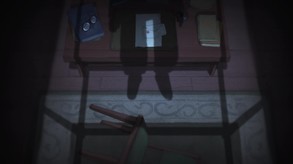
You only have 21 days until this living city dies. The clock is ticking. You can’t be everywhere at once. Decide what to explore, who to meet and see every decision shape the curious stories and terrible secrets of this branching narrative game.
Modeled estimate, not a reported figure. How we estimate →
Prices
The United States storefront in every case, so this compares stores and not countries.
Discounts
Every price cut of more than 20% we have observed, in each market that quoted one, with this game's chart position on either side of it. These are episodes, not a model: a sale is one event, and one event cannot tell you what the next one will do.
Reviews, worldwide (the counter carries no country): 0/day in the week to Sep 8 → 0/day in the week after.
Reviews, worldwide (the counter carries no country): 0/day in the week to Jul 22 → 0.13/day in the week after.
For scale, across Steam · Top Sellers · Brazil over the last 30 days: the 26 chart moves that followed a price cut of more than 20% went a median of 7 places towards #1, and the 2,400 moves with no price cut behind them went 2 away. One store, one chart, one country — it is the only place we have enough observations to say even that.
Prices outside the United States have been collected since 6 August 2026 and chart positions since 19 July 2026, so a cut older than that has no market to compare and a market that joined later has no history yet. Nothing here is converted between currencies.
About
Genres
Add-ons
Each DLC is estimated with the same model as a game, then summed — a modeled figure, not reported DLC sales.
Sums Steam only; PlayStation publishes no volume signal, so the true total is higher by an unknown amount.
| Store | Price | Audience | Score | Chart | Est. revenue |
|---|---|---|---|---|---|
SteamYou are here | $10.04−33% | 72reviews | 72% | — | $11.2K |
| $14.99 | 20ratings | 67% | — | not modelled |
Matched by title — a reused name can pair the wrong games. * is a critic aggregate. Prices and positions are each store's United States storefront; Epic charts worldwide. Audience and Score too, except Steam's, which is worldwide.
Engagement
Reviews
Themes across 41 recent reviews and how positive each mention is. A keyword signal, not full sentiment analysis.
Reviews
:)
Creepy little narrative game with Lovecraftian/Dickensian undertones. While the gameplay consists largely of fetch-quests, the challenge is how to manage your finite time (and to a lesser extent, money) as you set out each day into this "dying" city juggling relationships with a cast of flawed, quirky and mostly corrupt citizens. The writing drips with bleak humour deftly touching upon themes of mortality, class struggle and the supernatural.
——记录:《A Place for the Unwilling》,捆绑包“Build your own Solstice Bundle”,约3.5元,26/05/20入。 ——小众黑暗叙事冒险游戏,常被玩家称为《亡都栖所》。它以「21 天后即将灭亡的活城市」为核心设定,融合分支剧情、轻度贸易与自由探索,带着克制的克苏鲁底色与维多利亚式衰败氛围。创意与氛围感十分突出,但受限于体量打磨不足、无官方中文门槛偏高,属于典型的受众向小众佳作,并不适合所有玩家。 ——综合评分:7.0/10 ——单周目主线流程8~10 小时 |,全分支全结局补完约20 小时以上。 ——世界观与主线剧情 故事发生在一座没有名字、拥有自我意志的诡异城市。它像活物一样呼吸、生长、吞噬居民,按照自身规律走向衰败,而距离它彻底消亡,只剩下21天时间。 主角收到童年好友亨利的遗书:对方将城中的商栈与房产全部赠予你,只留下两个嘱托:照顾好他的亲友,查清这座城市的秘密。你孤身踏入被阴霾笼罩的城市,在倒计时的催促下穿行于贫民窟、富人区、黑市与地下社团之间,周旋于政客、商人、流浪孩童与神秘教派之间。 游戏没有强行推动的主线任务:可以专心经营生意安稳度日,可以追查亨利的死亡真相,可以插手城中各方势力的纷争,甚至可以在任意一天收拾行李逃离这座城市。所有走向都由玩家选择决定,城市的最终命运、每个 NPC 的结局,都与你的一举一动绑定。 恐怖感并非来自怪物或跳吓,而是深入骨髓的宿命感与宇宙式冷漠:这座城市的衰败仿佛是必然,个人的挣扎渺小又无力。克苏鲁式的旧日支配者暗线藏在碎片化的文本与事件里,全程氛围压抑又带着颓丧的诗意。 ——核心玩法体系 1. 21 天时间机制:最核心的资源约束:全程以天为单位推进,每天从清晨到午夜时间有限,需要在不同区域间移动、和 NPC 对话、完成交易、调查事件,午夜钟声敲响就会被强制送回家。 不存在「全事件触发」的完美路线:去了码头就赶不上市政厅的会面,帮了贫民窟的难民就没时间打理生意,每个选择都有明确的机会成本,天然逼着玩家做出取舍。 睡觉时间可自由决定:早睡能第二天早起获得更多时间,熬夜则会压缩次日时长,对应不同的玩法策略。 单周目内选择不可逆,没有时间循环回溯机制,做错了只能读档或重开,进一步放大了抉择的重量。 2. 超分支叙事:选择真正影响世界 同于多数叙事游戏的「假分支」,本作的选择深度远超同体量作品:小到对话措辞,大到站队某方势力,都会实时改变 NPC 对你的态度、城市的氛围、后续事件的触发。同一条街,前几天做的决定,可能会让几天后这里的居民彻底换了状态,甚至整条街区的命运都会改变。 游戏没有绝对的善恶选项,多数抉择都是灰色的:帮了一方就必然损害另一方,善意可能引来更糟的结果,自私的选择反而可能意外救下更多人,完全贴合乱世里小人物的无力感。全篇共有十余种差异明显的结局,对应不同的路线选择。 3. 轻度贸易经营:叙事的辅助手段 继承了亨利的商栈,可以在不同店铺低买高卖倒卖货物,靠差价赚取金币。钱可以用来购买情报、疏通关系、救助贫民、购置道具,是推进剧情的重要资源。 但经营部分深度很浅,没有复杂的产业链或动态价格波动,更像是叙事的配套系统而非核心玩法,后期金钱很容易溢出,失去实际作用。 4.自由探索与人物群像 城市分为多个风格迥异的区域,每个区域都有独立的 NPC 故事线:抽烟的孩童无政府主义者、虚伪的市政官员、挣扎的底层工人、隐秘的邪教信徒…… 数十位角色各有完整的人物弧光,他们的命运会随你的选择走向完全不同的终点。 ——突出优点 1. 氛围塑造独树一帜,克制的恐怖感后劲十足:手绘维多利亚风格的美术搭配低沉压抑的配乐,把「衰败亡城」的氛围感拉满。它不走直白的血腥恐怖路线,克苏鲁元素全部藏在细节与文本里,像温水煮青蛙一样慢慢渗透绝望感,玩到后期会真切感受到被宿命裹挟的窒息,属于越品越有味道的类型。 「城市是活的」这个设定也没有流于口号,天气、街道、路人状态都会随天数推进不断变化,能清晰感受到这座城市在一步步走向死亡。 2.抉择设计扎实,自由度很高:没有强制主线束缚,玩家完全可以按自己的意愿游玩:想当商人就安心倒货赚钱,想当侦探就深挖城市秘密,想当旁观者就每天闲逛混到结束,甚至中途跑路都是官方认可的结局。每个选择的反馈都很实在,不会出现「选了等于没选」的敷衍感。 3.人物群像鲜活,灰色叙事有深度:没有脸谱化的好人坏人,每个角色都有自己的立场、苦衷与阴暗面。你会同情底层的苦难,也会看到他们的麻木与自私;会厌恶上层的虚伪,也会发现他们同样被城市裹挟。叙事没有说教,只是把不同人的生存状态铺开来给你看,后劲很足。 ——明显短板与劝退点 1.无官方中文,阅读门槛极高:这是国内玩家最大的障碍。游戏文本量巨大,包含大量维多利亚风格的书面表达、生僻词汇与隐喻梗,且很多关键信息藏在对话细节里。英语基础一般的玩家玩起来会非常吃力,很容易错过核心剧情与伏笔,大幅降低体验。 2.前期引导近乎为零,新手极易劝退:开局几乎没有任何教程,时间机制、贸易规则、事件触发逻辑全靠玩家自己摸索。很多人刚进游戏不知道该干嘛、怎么赚钱、怎么推进剧情,瞎逛一两天就失去耐心弃坑,入门曲线非常陡峭。 3.经营系统鸡肋,节奏偏缓:贸易玩法深度不足,后期金钱溢出后彻底失去意义;地图移动需要耗时,反复跑图容易觉得拖沓,整体节奏偏慢,习惯快节奏剧情或强玩法驱动的玩家很容易觉得枯燥。 4.叙事碎片化:故事没有明确的起承转合,大量真相与背景藏在零散的对话、文件与支线里,单周目只能摸到冰山一角,喜欢线性完整剧情的玩家会觉得混乱、看不懂。 ——本作是典型的小众氛围向叙事作品,长处和短板都非常鲜明。它的核心魅力在于活的城市与抉择的重量,适合喜欢慢节奏、重黑暗奇幻 / 克苏鲁氛围、爱挖掘细节偏爱分支叙事与道德抉择的剧情玩家;但语言门槛、入门难度和打磨缺陷,也让它注定不适合大众玩家。26/07/29
Media

Related
Related
Price dynamics, follower growth, revenue and sales trajectories with interactive tooltips
This and every other Pro feature is free until October 20, 2026. A free account is all it takes.
Stats
All-time low is the lowest price we've recorded for this game since we started tracking it.
Languages: English, Spanish - Spain
Hours played at review time, across 41 reviews with recorded playtime.
positive critical· bar length = how often the theme comes up
Très bon jeu, avec un univers bien à lui, d'inspiration lovecraftienne, intrigant dans son scénario avec un style graphique très agréable. Vraiment intéressant à suivre, il gagnerait à être plus connu !
Very unique game that I can't recommended it enough to anyone who want to play something different
[ + ] • Eine Fülle an Story, die man in 21 Tagen vermutlich nicht komplett zu sehen bekommt • Daher ist ein hoher Wiederspiel-Faktor gegeben • Ansehnliches Design, welches dem Spiel auch gleichzeitig seine Atmosphäre verleiht • Angenehme Hintergrundmusik & Sound • Interessante Bewohner der dort geschaffenen Welt, vielleicht sogar interessanter als unser spielbarer Charakter • Es gibt auch Erfolge zu holen, aktuell bin ich nach 7 Stunden immer noch dran, diese zu holen und frage mich immer noch wie das zu bewerkstelligen ist xD • Die Welt wird direkt durch gefällte Entscheidungen beeinflusst • Zeitlimit gibt den Aufgaben Bedeutung – Spieler muss sich dementsprechend für bestimmte Aufgaben entscheiden [ - ] • [spoiler] Das Gameplay besteht halt größtenteils daraus das du mit anderen reden musst und weil wir Verkäufer sind müssen wir uns auch die Preise stetig anschauen, um zu vergleichen wo man welchen Gegenstand verkaufen sollte…ist jetzt nicht immer spannend [/spoiler] • Nicht jeder Quest verrät dir direkt wo du hingehen sollst + die Steuerung ist wirklich unbrauchbar • Das Map-System ist verwirrend • Du kannst nicht rennen, springen…was das Spiel langsamer macht, du bist gezwungen, dein Geld für längere Wege auszugeben, welches du eigentlich sinnvoller einsetzen könntest • Die Auswahl an Entscheidungen ist groß, was mich als Spieler überfordert. Ich würde beispielsweise gerne alles von der Story sehen und mich nicht für eine Sache entscheiden wollen, nur um im zweiten Playthrough dann die andere Entscheidung zu nehmen
Das Spiel verfügt über eine nicht intuitive Tastatursteuerung. Der Entwickler hat es offensichtlich nicht für nötig gehalten, eine Maussteuerung zu implementieren, welche nach meiner Einschätzung relativ leicht umzusetzen gewesen wäre und den Bedienkomfort erheblich verbessert hätte. Ich kann nur mutmaßen, warum man diese eindeutige Fehlentscheidung beim Spieldesign getroffen hat: Zeitdruck? Pure Ausrichtung auf Konsolenspieler? Schade, denn das Spiel wirkt interessant, aber diese Art der Spieleentwicklung möchte ich nicht unterstützen.
Eu recomendo, mas alguns aspectos do jogo me frustraram um pouco 👀 Conheci esse jogo em uma Big Festival, acho que em 2016, e desde então quis jogar porque achei a história mt massa, fora que a arte é muito lindinha. O jogo - por conta da dinâmica do tempo - é bem imersivo e aconchegante, e logo te envolve na vida que antes era de Henry. A premissa de descobrir o que há por trás da morte do amigo em meio a um cenário de luta de classes é muito instigante. Essa investigação logo tem de ser dividida com as tarefas de manter o comércio do amigo, o que é conveniente pois é a forma como vamos desvendando a história da cidade, e também do mistério que levou Henry. Masss, o jogo pode se tornar repetitivo, havendo dias em que não há muito desenvolvimento na parte da história que queremos realmente desvendar (fora que caminhar pela cidade leva tempo, e nem sempre queremos gastar as economias com o táxi-charrete do role). Conforme o tempo avança, vamos nos alinhando ou aos ricos/burgueses fedidos do bairro rico (como Thomas Everett), ou aos revolucionários (unionistas) do bairro pobre. Eu logo quis me juntar aos revolucionários, mas me frustrei pois achei a representação desse lado (centrada na figura de Myles) um tanto quanto infantil (o que não faz jus ao movimento proletário como um todo, ainda mais da época em que a história se ambienta - eu esperava encontrar uma panfletagem revolucionária mais séria, assembléias, greves, reuniões escondidas, etc). O fato de ser meio infantil, acaba nos desestimulando a acompanhar Myles em tudo. Mas, se não priorizamos o caminho que Myles desdobra no jogo (depois de termos rejeitado os ricos), caímos sumariamente no limbo de não estar nem do lado dos exploradores, nem dos explorados. E daí o jogo meio que desiste de você kkk e se torna "vazio", os dias ficam quase sem quests, até que o jogo acaba, finalmente. Claro, o legal é que tem um valor de replay, então depois que você o conclui uma primeira vez, você pode jogar outras vezes, descobrindo os finais através de todos os lados. Mas essa primeira experiência, para mim, foi um pouco cansativa, então vou levar um tempo até querer jogar novamente. Outra coisa que me frustrou, de verdade, como fã de uma das obras primas de Robert W. Chambers, foi não conseguir ter entrado no teatro para assistir à peça O Rei de Amarelo ;-; sendo que eu fiz tudo certinho (comprei o ingresso no City Hall, cheguei antes no teatro, esperei dar o horário indicado, mesmo assim, não consegui entrar devido a um bug). Buenos! Em suma, é isso: eu adorei a capacidade de imersão que o jogo provoca, amei a arte e a atmosfera, os itens que vamos colecionando são lindíssimos (as ilustrações são deslumbrantes), ir descobrindo cada canto escondido da cidade é muito divertido, a premissa e o tema são bem pensados, a dinâmica dos npcs serem envoltos em névoa tbm, as referências e easter eggs do Rei de Amarelo são sensacionais, e a vibe sombria meio Lovecraft também é ótima. Apesar das frustrações que pontuei acima e de alguns bugs, acredito que qualquer hora vou jogar de novo (não agora pq me deu canseira) para descobrir os outros finais, e evitar cair no limbo triste sem quests que eu caí kk
A Place for the Unwilling, developed and published by ALPixel Games, is a narrative-driven adventure that places storytelling, atmosphere, and player agency at the center of its design. Set inside a mysterious city facing inevitable destruction, the game creates an experience built around personal decisions, exploration, and the passage of time. Instead of focusing on combat systems or traditional progression mechanics, it delivers a slower and more reflective experience where every choice matters because the world continues moving forward whether players are ready or not. The premise immediately creates a powerful sense of urgency. The city has twenty-one days remaining before an unavoidable catastrophe changes everything forever. There is no grand mission to prevent disaster and no promise that heroism can save the world. Players step into the role of an ordinary individual attempting to navigate daily life while surrounded by people confronting their own fears, ambitions, and regrets as time steadily disappears. One of the game’s most distinctive qualities comes from how it handles freedom and consequence. Players decide how to spend each passing day. Time can be invested in building relationships, pursuing business opportunities, investigating mysteries, or simply exploring unfamiliar districts. Every decision carries weight because time remains limited. Choosing one path naturally means leaving something else behind. That design philosophy creates a powerful feeling of ownership over progression. The game rarely forces players toward a single objective. Instead, it trusts players to shape their own experience according to curiosity and personal priorities. Conversations missed may never return. Opportunities ignored may disappear permanently. The world continues changing regardless of player decisions, creating a rare feeling that life inside the city exists independently rather than revolving entirely around the protagonist. The setting itself becomes one of the game’s strongest achievements. The city feels dense with personality and atmosphere, blending Victorian-inspired aesthetics with unsettling supernatural influences. Wealth inequality, corruption, social tension, and hidden secrets shape daily life beneath an ever-present sense of approaching collapse. The environment constantly creates the impression that something larger and darker exists beneath ordinary routines. Exploration becomes rewarding not because players discover collectibles or mechanical upgrades, but because the city feels genuinely alive. Streets contain stories waiting to be uncovered. Residents pursue their own goals and struggles. Strange events unfold quietly beneath ordinary interactions. Small discoveries frequently become just as meaningful as larger narrative revelations. Character writing consistently strengthens immersion throughout the experience. The city’s residents rarely feel like simple background figures existing only to deliver objectives. Conversations reveal personal fears, ambitions, frustrations, and emotional complexity that help individual stories stand out. Some interactions provide humor and warmth while others introduce tension or sadness. The result creates a setting where people feel connected to the world rather than placed inside it for convenience. Mystery elements add another layer of engagement by slowly introducing hidden forces operating beneath the city’s surface. Strange organizations, unexplained events, and larger secrets gradually emerge throughout progression. The game avoids rushing answers, instead allowing discoveries to unfold naturally through observation and exploration. Curiosity becomes one of the strongest motivations for continuing forward. The passage of time functions as more than a storytelling device. It becomes one of the central mechanics shaping every decision. Days move forward constantly, reinforcing the idea that players cannot experience everything during a single playthrough. This structure creates meaningful replay value because different choices reveal entirely different perspectives on both the city and its people. Visually, A Place for the Unwilling establishes a memorable identity through artistic direction and atmosphere. The city feels dreamlike and unsettling at the same time. Environmental design balances beauty and unease effectively, reinforcing emotional themes without relying heavily on spectacle. Quiet streets often feel just as important as major story moments because atmosphere remains central to immersion. The soundtrack and sound design contribute significantly to that atmosphere as well. Music supports quieter reflective moments while strengthening mystery and tension when larger developments unfold. Audio presentation helps establish emotional consistency throughout progression. The game’s commitment to narrative immersion naturally shapes its pacing. Players expecting combat systems, traditional quest structures, or faster gameplay loops may initially struggle with its slower approach. A Place for the Unwilling values observation and emotional investment over immediate excitement. Much of its appeal comes through patience and willingness to become absorbed in its world. Its refusal to follow traditional game design expectations becomes one of its greatest strengths. ALPixel Games builds an experience focused on atmosphere, consequence, and storytelling rather than mechanical complexity. The result feels personal in a way many narrative games struggle to achieve. What ultimately makes A Place for the Unwilling memorable is how effectively it transforms limited time into emotional weight. The approaching end creates urgency without sacrificing freedom. Every conversation feels meaningful because players understand opportunities will eventually disappear. Players who enjoy slower narrative experiences, exploration-focused storytelling, and branching choices that genuinely influence progression will find a rewarding experience here. It is a game designed less around winning and more around living inside its world long enough to understand it. A beautifully atmospheric narrative adventure that delivers meaningful player choice, exceptional worldbuilding, and emotional storytelling inside a city that feels alive even as it slowly approaches its final days. Rating: 7/10
very charming with lots of potential
Selling now
See how fast this game is selling right now — estimated copies and revenue per day from recent review growth.
Players by region
Where this game's players are, estimated from review languages.
Related
| Game | Estimated lifetime revenue | Reviews | Review score | Price |
|---|---|---|---|---|
| $148.1K | 343 | 81% | $11.99 | |
| $7.6M | 16.1K | 94% | $15.99 | |
| $2.3M | 3.6K | 95% | $17.99 | |
| $215.1K | 4.5K | 95% | $2.74 | |
| $904.8K | 2.5K | 84% | $24.99 | |
| $349.6K | 847 | 91% | $10.49 |
Related
| Game | Estimated lifetime revenue | Reviews | Review score | Price |
|---|---|---|---|---|
| $11.2K | 55 | 82% | $8.99 | |
| $11.2K | 175 | 71% | $1.99 | |
| $11.2K | 77 | 88% | $9.99 | |
| $11.2K | 68 | 88% | $6.99 | |
| $11.2K | 62 | 97% | $8.99 | |
| $11.2K | 157 | 50% | $3.99 |