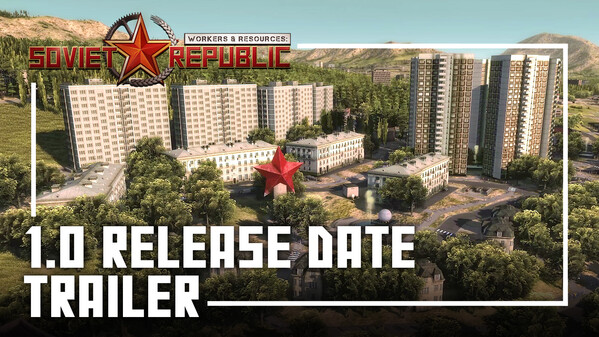
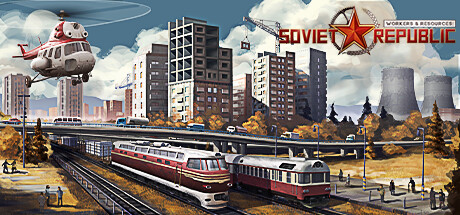
Build a soviet republic from an impoverished country into a rich industrial superpower in a city builder with intricate production chains and a fully simulated global economy. Manage the lives of your citizens from education to work and party loyalty to criminal activity.
Modeled estimate, not a reported figure. How we estimate →
Prices
Each in the currency that store quoted — not converted: the gap between two rows is the publisher's pricing, not an exchange rate.
Charts
Each storefront's own chart, in its own country — the closest public signal to sales where none is published. A country missing from a list is one we don't collect there, not one where the game doesn't chart.
No United States chart position — it charts only in the markets below.
Same day: best RU #84, worst PL #89 · 2 markets collected
Discounts
Every price cut of more than 20% we have observed, in each market that quoted one, with this game's chart position on either side of it. These are episodes, not a model: a sale is one event, and one event cannot tell you what the next one will do.
Reviews, worldwide (the counter carries no country): 11.14/day in the week to Aug 22 → 17/day in the week after.
For scale, across Steam · Top Sellers · Brazil over the last 30 days: the 25 chart moves that followed a price cut of more than 20% went a median of 10 places towards #1, and the 2,413 moves with no price cut behind them went 2 away. One store, one chart, one country — it is the only place we have enough observations to say even that.
Prices outside the United States have been collected since 6 August 2026 and chart positions since 19 July 2026, so a cut older than that has no market to compare and a market that joined later has no history yet. Nothing here is converted between currencies.
About
Manage all aspects of your republic in this soviet-themed city builder game. A planned economy puts you in control of everything from mining resources to manufacturing goods and providing services – use this power to make decisions that impact your citizens’ day-to-day lives and their ultimate loyalty to the nation. Whether it’s construction, transportation, trade, healthcare, education, entertainment, tourism, or any of the countless other facets of a full-fledged city, it’s up to you to determine availability, accessibility, and quality. Contend with a deep simulation of global supply chains as you seek fertile soils, ore veins, and viable lands upon which to build your nation – let the radio stations sing your praises and the citizens rejoice in their glorious soviet republic.

Multiple complex simulations work together to bring your cities to life in Workers & Resources: Soviet Republic – whether it’s the price of goods in the global market, the proper distribution of electricity and water, or the increased supply of heat during the winter months, everything can be manipulated with the right actions. Adjust your game settings based on your appetite for complexity in particular areas – civil engineers, urban planners, economists, and simulation enthusiasts will all be able to experience the mechanics they love.
Run your nation with both rubles and dollars as you strike a balance between eastern and western markets, trading with nations from either side of the Iron Curtain to gain access to valuable currency, resources, and technology. Despite following a soviet-styled planned economy, you are a fledgling non-aligned nation – this sets you free to engage in trade with both the Western Bloc and the Soviet Bloc to your benefit. Loyalty to one side is always an option, but flooding one market with your goods might result in diminishing returns, and shunning the other side might see you cut off from useful technological advances.
Familiarize yourself with the intricacies of realistic supply-chain management with over 30 commodities to acquire, manufacture, and transport. Raw materials, processed goods, and waste material all have specific places where they can be stored, with specific vehicles needed for their transportation, and specific structures needed for loading and unloading. Liquids are stored in tanks and moved with the help of pipes and pumps, or loaded onto vehicles with tanks. Mined ores are stored in aggregate storage facilities, and moved with conveyor belts and flatbed trucks and train cars. Processed goods, meanwhile, are shipped around in covered trucks and train cars, and stored in warehouses. Organize forklifts for short distance hauling, build intricate conveyor belt networks to minimize your reliance on vehicles, or use trains to haul goods from one city to another – supply-chain management is an integral part of operating a nation, and you’ll use everything from cargo planes to freight trains to cargo helicopters to make sure everything is operating smoothly.
Every road, bridge, residential building, and factory is built from the ground up with resource costs reflecting the size of the project. Pay market rates for raw materials to execute quick builds with the help of foreign labor, or establish construction offices and provide employment to your population as they head to construction sites to build everything using locally acquired resources. Buildings can require anything from prefab panels, to steel beams, gravel, concrete, and more – produce and supply them locally, or import them to simplify the process. Will you be a self-reliant republic, or will you exploit the international market for rapid expansion?

A nation is nothing without its people – they work the fields, bake the bread, and operate the heavy machinery that keeps the wheels of industry turning. Ensuring the people remain happy and loyal is essential to your success.
Follow your citizens from childhood to the end of their lives, providing them with essential goods such as food and clothes (and alcohol) while simultaneously ensuring they have access to opportunities in the form of education and employment. Be wary of those that lack loyalty to the republic – they are prone to a life of crime, and their reduced efficiency can hurt throughput. Oftentimes, they are best left without access to opportunities where they can do more harm than good. Monitor your nation’s overall happiness and loyalty to ensure few are choosing to leave – provide them with better lives, or rely on propaganda to get the most out of your citizens.
Your peoples’ needs can be imported from neighboring countries, or they can be manufactured locally through complex production chains. Massive fields will harvest grains that can be turned into bread and booze at food factories and distilleries. Clothes factories will produce clothes as long as they have fabric, which in turn is produced at fabric factories with the help of crops, chemicals, and water. Manufacture or otherwise acquire all manner of goods, from the aforementioned necessities to the luxuries of radios and TVs, and transport them from factories to warehouses to local stores where your citizens can obtain them to fulfill their needs.
There are many essential services your citizens will want access to as well – electricity, water, and heat are necessary for survival, each with their own supply chains to maintain. Watch for demand to ebb and flow with the seasons, and prepare for harsh winters lest your population suffers a sudden tragic drop. Education is provided through schools and universities, with higher levels of education opening up additional employment opportunities for your people, unlocking access to new technologies and production capabilities in your nation. Entertainment comes from local parks and theaters as well as radio and TV stations, while physical fitness is provided by local pools and sports fields. Ensuring these services are available and within reach through an efficient transit system is essential for a healthy, prosperous populace.

From roads to railways, and from sea to sky, managing the transportation of goods and people is vital to the health of your republic. As your nation spreads and cities develop around resource hubs littered across massive maps, you’ll find yourself constantly expanding your transportation network to meet ever-growing needs.
Buses, trams, trains, subways, ships, and planes provide public transportation for people to move greater and greater distances, fulfilling needs at distant shops, or providing their expertise at far-flung factories and mines. Operate interconnected systems to facilitate the movement of people across these massive expanses, even using cable cars and winding dirt roads to provide access to the more remote parts of your republic.
Trucks, trains, cargo planes, and cargo ships are essential for moving resources long distances, with different subcategories of each vehicle determining exactly what type of goods it can move. Limited access to certain vehicles might force you to explore transit methods you would otherwise have left behind – or perhaps you’ll build connections at customs offices along your border to enable trade with foreign powers instead?
Build custom airports, plan the placement of train signals, and design intricate interchanges to truly customize your transit networks. Road signs will influence speed limits and vehicle access, runway length will determine accessibility for various kinds of airplanes, and train stations can be built for passengers or cargo, with access points for pumps, conveyor belts, and forklifts to integrate smoothly into your existing supply chains.
Allow your people to purchase cars for private transit, but consider limiting access to such vehicles based on education levels or party loyalty to prevent the plague of freedom of movement and congestion – with well planned infrastructure and transit networks, you can fully control the flow of workers and resources alike.

Workers & Resources: Soviet Republic has dedicated modding tools and a plethora of extensive player-created mods available in the Steam Workshop. Customize your experience with new buildings and vehicles to build the soviet republic of your dreams.
Add-ons
Each DLC is estimated with the same model as a game, then summed — a modeled figure, not reported DLC sales.
Sums Steam only; GOG, Epic publish no volume signal, so the true total is higher by an unknown amount.
| Store | Price | Audience | Score | Chart | Est. revenue |
|---|---|---|---|---|---|
SteamYou are here | $39.99 | 27.3Kreviews | 91% | — | $34.2M |
| $9.99−75% | 120ratings | 82% | — | not modelled | |
Updates
Build ids and update times come straight from Steam's PICS — the same source SteamDB reads. Patch history grows as we record new builds.
Engagement
Reviews
Themes across 1262 recent reviews and how positive each mention is. A keyword signal, not full sentiment analysis.
Reviews
[h2] 苏联从互联网归来 [/h2] 这可能不是画风最新颖的模拟城市建造游戏,但绝对是我我玩过最硬核、最真实的一个。在游戏中,从采矿到生产、从商品运输到供应、从水电到排污、从教育到司法,都可以由玩家来决定和规划。你也并不是孤军奋战,游戏中的[b] 建筑管理局 [/b]和[b] 分配管理局 [/b]会帮你省去大部分无趣而重复的工作。你需要明白:[b] 城市不再是无数个体决策的结晶,而是一道复杂的综合性题目。 [/b]如果你在此前对计划经济没有了解也没有关系,游戏官方贴心的在战役中准备了很多关卡引导玩家一步步打造自己的人民共和国。 最后,我想送给每个“计划经济初学者”一句格言:[b] “失败是成功之母。” [/b]这一切正如历史唯物主义的螺旋上升一样,[b] 你存档中解体的苏维埃越多,新的苏维埃制度就越先进。 [/b]
At just about 100 hours I think I can say this game is about as good as it gets when it comes to city (cities) building. You can handle every aspect of everything required to run a soviet utopia, it's just hard to get it all set up and I'm still struggling to get to up and going. My favorite thing about the game is the realistic game mode allowing you to remove all the magic that just happens in other city builders, even destroying a building introduces a bunch of logistical challenges. My only gripes are that some systems are too abstract still, such has how citizens work and teleport home and how there are needs are filled and not filled and how labor is assigned (they wait at a bus station for 1 hour for a bus to take them to any job and if a bus doesn't come in that hour they are now "unemployed"). Also realistic mode can take quite a long time. It took me about 10 or so hours to build a city before it's move in ready. It can be far faster, but that really depends on how well you know the game and how good you are at planning. A lot of trial and error for me.
Media

Related
Related
Price dynamics, follower growth, revenue and sales trajectories with interactive tooltips
This and every other Pro feature is free until October 20, 2026. A free account is all it takes.
Every market we collect.
Genres
Stats
All-time low is the lowest price we've recorded for this game since we started tracking it.
Languages: English, French, German, Polish, Russian, Simplified Chinese, Spanish - Spain, Italian, Japanese, Portuguese - Brazil, Hungarian, Korean +6 more
| $39.99 |
| — |
| — |
| — |
| $0 |
Matched by title — a reused name can pair the wrong games. * is a critic aggregate. Prices and positions are each store's United States storefront; Epic charts worldwide. Audience and Score too, except Steam's, which is worldwide.
Hours played at review time, across 1.3K reviews with recorded playtime.
positive critical· bar length = how often the theme comes up
I tried this game for ~20 hours early this year after craving a city builder. I found it intimidating, overwhelming, and frankly a little too much to wrap my head around. There are so many systems interacting with each other, and despite playing all the tutorials, I couldn’t really figure out what I was doing wrong and it felt like fighting against the game itself rather than an intended challenge. I didn’t think I’d revisit it, but here we are. I've put another 110 hours into it since then, and it has become one of my top 10 favorite games of all time. This game is weird. The first thing I want to make clear is that I cannot recommend it to everyone. This is a very niche, special-interest kind of game. If you like difficult games, slow-paced games, city builders, management games, complicated and multilayered systems, transportation and logistics puzzles, and economy mechanics, you might absolutely love this. You have to be willing to put up with some jank, a lack of player-friendliness, and one of the steepest learning curves I've ever encountered in a game. I wouldn't say it’s actively spiteful toward the player, but it isn't interested in holding your hand. You have to meet it more than halfway, and I'd say that you only get as much enjoyment out of it as the amount of effort you're willing to put into understanding it. The sheer granularity of this game is incredible. Almost everything feels like it exists because someone actually thought through how it would work in a real economy rather than simply being another button on an interface. It’s not really about building cities, that’s just one aspect. You have to create jobs, figure out how people get to work, where the resources come from, how those resources get processed, how they're transported, how much storage you need, how much production capacity you actually require, how many workers need to arrive at a facility, how often they need to be picked up, and how all of these things interact with each other. When it works, it’s sublime. There is a genuine sense of accomplishment in watching a complicated plan finally come together. You can spend hours designing some ridiculous industrial supply chain, connecting it to your rail network, figuring out how many vehicles you need, building the infrastructure to support it, and then finally watching everything operate exactly as intended. Few other games give me that same feeling of a huge payoff following hours of hard effort. I also really appreciate how much freedom the game gives you. There are several ways to accomplish what you want, and the game is happy to let you figure out your own solutions. You can build things in ways that are wildly inefficient, extremely practical, or somewhere in between. There are also a high number of difficulty settings and options that let you tailor the experience. I appreciate this enormously, because the default settings can be brutal when you're still learning. Unfortunately, this game has one huge problem. It is absolutely terrible at communicating lots of extremely basic yet very important information to the player. The tutorials aren't useless, but they mostly teach you the controls, the UI, and the absolute basics of the individual systems. What they don't really teach you is how those systems interact with each other, which is by far the more important part of the game. You can understand what a distribution office does, what a bus does, and what a factory does without having any idea how to actually make them work together efficiently. Train signaling was the worst offender for me. You basically need to go read guides online to properly understand how the signaling system works, or suffer through an absolutely exhaustive process of trial and error (ask me how I know). I don't mind difficult systems, but there's a difference between a system being difficult to master and the game refusing to adequately explain how the system works. The same thing happens with worker transportation. The game has a limit on how long workers will wait for transportation before giving up and leaving the station, and figuring out how frequently your transport needs to arrive is an astonishingly simple calculation once you know what you're doing. Look at line spacing, check average lap time, divide that by 60, and figure out how frequently a vehicle needs to arrive to keep workers flowing properly. That's not an especially complicated concept. Why does the game never actually tell you this? You're just expected to figure it out. The farming system is another good example. Fields don't actually require workers. You can run your farms extremely efficiently with machines and trucks from distribution offices. This is useful information to know, but the game doesn't really communicate it. A new player could very reasonably assume that fields need to be staffed and then massively overestimate how many workers they need to send to each one. There are tons of little things like this. The least consequential one ended up being my biggest frustration. Why don't buildings automatically lock to the grid at 90 degree intervals? Even after double pressing F1, you still have to use the Ctrl + mouse wheel function to properly align things to the grid. It's a tiny thing, but when you're laying out an enormous industrial complex and trying to make everything line up properly, it’s annoying. Unfortunately, I now have to talk about the technical problems I've experienced. If you don’t care about this aspect, skip ahead to the last paragraph. I have been absolutely plagued by a particularly bizarre issue where my entire PC will occasionally freeze while playing this game. Not a CTD. My entire computer locks up and requires a hard reset. The clock literally stops. Totally seized. I've spent a ridiculous amount of time trying to figure this out. I did a clean install of my graphics drivers, tweaked setting in the Nvidia control panel (effective), stress tested all of my hardware, tried different rendering modes, edited the config file, lowered the graphics settings to their minimum, forced windowed mode, tried VSync both on and off, tried different resolutions, stopped using fast forward entirely, stopped tabbing out entirely, closed other programs, unplugged one of my monitors, disabled hardware acceleration in Chrome, disabled GPU acceleration in Steam's web views, disabled Discord, Steam, and Razer overlays, completely cleared my shader cache, disabled MPO through the registry (effective), disabled fullscreen optimization on the executable, and toggled the game's "autosave to ZIP" option (the most effective thing I tried). Some of these made a noticeable difference, but I never actually fixed it. At its worst, I was getting freezes every 20 or 30 minutes. After all of the troubleshooting, I was eventually able to play for four hours or more without a freeze, which is considerably longer than my typical session anyway. But the fact remains that this game is the only piece of software I've come across that can consistently trigger this particular problem on my PC, and I have not been able to identify exactly why. I would not have gone through even half of the troubleshooting steps I listed above for the vast majority of games. If something else had been freezing my entire computer every half hour, I would have uninstalled it and moved on with my life. I don't really know how else to explain it, but there's some X factor here that I can't quite put my finger on. Whatever it is, I love it. I just love it. I can't recommend this game to everyone. I think there's a pretty good chance that most people would hate it. But if you're the sort of person who looks at an enormous web of interconnected production chains, transportation networks, worker logistics, economic systems, and infrastructure and feels an urge to figure it all out, then you should give this game a shot. Just be prepared to read some guides.
Com certeza é melhor que o jogo de betinha chamado Cities: Skylines! não pago pau por eu ser socialista. a questão desse jogo é a profundidade e a gestão. não é só um jogo de construção, mas de gerenciamento de recursos e bens sociais simulando o caos que foi os países do pacto de Varsóvia e ele se transmite de forma fiel. incrivel ele ir desde a gestão de carvão até a melhora da felicidade e alienação que os burocratas teriam de potencializar para que o regime burocrático soviético tanto o próprio quanto seus satélites Despoticos permanecessem com menos problema. resumindo é um bom game para fazer uma critica ao culto a personalidade e ver o quão os recursos e inovações de uma ditadura mesmo que se intitule ao lado do povo e que de as palavras de ordem mais belas ao povo trabalhador dentro dos antagonismos de um grupo privado mostrando suas contradições a anos e de uma gestão burocrática elitista que só busca o crescimento, substitui a dialética pelo mecanicismo tende a entrar em crise e ser tão igual ou pior que o capitalismo opressor. dito isso é bom para ver de forma rápida os erros do passado! um detalhe que se esqueci de citar ( o jogo por si só desmoraliza a teoria de o socialismo em um só país, ele demonstra a contradição de mercado, que o tirano de Stalin e seus epígonos transmitiam como menores dos problemas ou melhor como um problema que a longo prazo se resolveria e que foi um dos problemas que a acabou com a urss e que agora podemos ver que afeta até a Rússia dos dias atuais com seus embargos, o que quero dizer é que o pacto de Varsóvia ficou refém das inovações do ocidente assim como o jogo nos deixa refém, inovações, recursos e até mãos de obra com formação. dito isso nos socialistas podemos ver por um simples jogo que não podemos nos submeter ao social chauvinismo na nossa futura revolução para não ficarmos a mercê do ocidente junto de seus recursos e aparato instrumental, uma frase que meu dirigente e meu partido usa; quem financia o baile manda no ritmo da dança. Este jogo é aprovado pela classe que tudo produz e tudo cristaliza que transforma e potencializa. ⠀⠀⠀⠀⠀⠀⠀⠀⠀⠀⠀⠀⠀⠀⠀⠀⠀⠀⠀ ⠀⣷⠀⠀⠀⠀⠀⠀⠀⠀⠀⠀⠀⠀⠀⠀⠀⠀⠀⠀⠀ ⠀⠀⠀⠀⠀⠀⠀⠀⠀⠀⠀⠀⠀⠀⠀⠀⠀⠀⠀ ⣸⣿⡆⠀⠀⠀⠀⠀⠀⠀⠀⠀⠀⠀⠀⠀⠀⠀⠀⠀⠀ ⠀⠀⠀⠀⠀⠀⠀⠀⠀⠀⠀⠀⠀⠀⠀⠀⠀⠀ ⢠⡿⠈⣷⠀⠀⠀⠀⠀⠀⠀⠀⠀⠀⠀⠀⠀⠀⠀⠀⠀⠀ ⠀⠀⠀⠀⠀⠀⠀⠀⠀⠀⠀⠰⢶⣶⣴⣶⣤⣤⣾⠃⠀⠸⣷⣤⣤⣤⣤⣤⡴⠀⠀⠀⠀⠀⠀⠀⠀⠀⠀⠀ ⠀⠀⠀⠀⠀⠀⠀⠀⠀⠀⠀⠀⠀⠉⠻⣦⣄⠀⠀⠀⠀⠀⠀⢀⣠⡶⠟⠁⠀⠀⠀⠀⠀⠀⠀⠀⠀⠀⠀⠀ ⠀⠀⠀⠀⠀⠀⠀⠀⠀⠀⠀⠀⠀⠀⠀⠀⢙⣷⠀⠀⠀⠀⠰⣿⠋⠀⠀⠀⠀⠀⠀⠀⠀⠀⠀⠀⠀⠀⠀⠀ ⠀⠀⠀⠀⠀⠀⠀⠀⠀⣀⠀⠀⠀⠀⠀⠀⣼⠃⢀⣴⣶⣤⡀⢹⣇⠀⠀⠀⠀⠀⢄⡀⠀⠀⠀⠀⠀⠀⠀⠀ ⠀⠀⠀⠀⠀⢀⣠⣶⠟⠁⠀⠀⠀⠀⠀⢰⣿⡶⠟⠁⠀⠉⠻⣶⣿⡀⠀⠀⠀⠀⠀⠹⣷⣤⢄⡀⠀⠀⠀⠀ ⠀⠀⠀⢀⣼⢻⡿⣫⠀⠀⠀⠀⠀⠀⠀⠟⠋⠀⠀⠀⡀⠀⠀⠀⠙⠷⠀⠀⠀⠀⠀⠀⢿⣿⣧⣷⣄⡀⠀⠀ ⠀⠀⣰⢹⣟⣽⡾⠃⠀⠀⠀⠀⠀⠀⠀⠀⠀⠀⠀⠀⠈⠳⣦⣄⡀⠀⠀⠀⠀⠀⠀⠀⠈⢻⣿⣽⡏⢳⡀⠀ ⠀⢀⣿⢸⡿⣫⠆⠀⠀⠀⠀⠀⠀⠀⠀⠀⢀⣤⣀⣀⠀⠀⠀⠙⢿⣦⡄⠀⠀⠀⠀⠀⠀⠈⣯⡿⣇⢸⡇⠀ ⠀⡜⣿⢸⣿⠏⠀⠀⠀⠀⠀⠀⠀⠀⢀⣴⣿⣿⡿⠋⠀⠀⠀⠀⠈⢻⣿⣦⠀⠀⠀⠀⠀⠀⠘⣿⣮⢸⡟⡄ ⢰⡇⢿⣿⢻⠆⠀⠀⠀⠀⠀⠀⠀⢴⣿⣿⡿⣿⣦⡀⠀⠀⠀⠀⠀⠀⢻⣿⣧⠀⠀⠀⠀⠀⠀⣯⢻⣿⢡⡇ ⠘⣿⡘⢣⣿⠀⠀⠀⠀⠀⠀⠀⠀⠀⠙⠋⠀⠈⠻⣿⣦⡀⠀⠀⠀⠀⢸⣿⣿⡄⠀⠀⠀⠀⠀⢹⣧⠛⣾⡇ ⢰⢿⣷⣼⡏⡄⠀⠀⠀⠀⠀⠀⠀⠀⠀⠀⠀⠀⠀⠈⠻⣿⣦⡀⠀⠀⣸⣿⣿⠇⠀⠀⠀⠀⠀⡞⣿⣾⡿⢱ ⠘⣧⡻⣿⢰⣧⠀⠀⠀⠀⠀⠀⠀⠀⣠⣄⡀⠀⠀⠀⠀⠈⠻⣿⣦⣠⣿⣿⡿⠀⠀⠀⠀⠀⢰⣇⢸⠟⣰⡏ ⠀⠹⣷⣌⢸⣿⢠⡀⠀⠀⠀⠀⢀⣼⡿⠙⠿⣿⣶⣦⣤⣤⣤⣼⣿⣿⣿⡟⠁⠀⠀⠀⠀⣰⢺⡿⣨⣾⠟⠀ ⠀⠀⢯⠻⣿⣿⡈⣷⡀⠀⢠⣾⣿⠋⠀⠀⠀⠀⠉⠛⠻⠿⠿⠿⠿⠛⢿⣿⣦⡄⠀⠀⣸⡇⣼⣿⠟⣩⠂⠀ ⠀⠀⠈⢿⣦⣙⡷⢻⣷⢦⡈⠛⠁⠀⠀⠀⠀⠀⠀⠀⠀⠀⠀⠀⠀⠀⠀⠙⠋⠀⣠⢶⣿⢑⣋⣴⡾⠋⠀⠀ ⠀⠀⠀⠀⠉⡿⢿⣾⣿⣯⢿⣦⡀⠀⠀⠀⠀⠀⠀⠀⠀⠀⠀⠀⠀⠀⠀⠀⣠⣾⢣⣿⣿⡿⢟⡏⠀⠀⠀⠀ ⠀⠀⠀⠀⠀⠈⠳⣶⣬⣭⣥⣽⣿⣦⡤⠄⣀⣀⣀⣀⣀⣀⣀⣀⣀⡤⣴⣾⣿⣥⣭⣤⣶⠾⠋⠀⠀⠀⠀⠀ ⠀⠀⠀⠀⠀⠀⠀⠀⠻⣭⣉⣉⣡⣴⣾⡿⠟⣩⡶⠋⠉⠳⣮⣙⠿⣿⣶⣤⣭⣭⣭⠿⠃⠀⠀⠀⠀⠀⠀⠀ ⠀⠀⠀⠀⠀⠀⠀⠀⠀⠀⠉⠉⠉⠉⠉⢴⠟⠁⠀⠀⠀⠀⠀⠙⣷⠄⠉⠉⠉⠉⠀⠀⠀⠀⠀⠀⠀⠀⠀⠀
Ta gra zdecydowanie przewyższa inne tytuły np. Cities Skylines 2, Transport Fever 2. W tej grze musisz dbać o wszystko począwszy od paliwa dla samochodów i ciężarówek aż po zarządzanie wodą i całą logistyką mapy. Dla początkujących jest trudno lecz gdy trochę nabierze się doświadczenia gra potrafi sprawiać frajdę. Grafika nie powala ale nie oszukujmy się w tej grze nie o to chodzi. Ta gra uczy trochę historii motoryzacji i architektury ale przede wszystkim uczy strategicznego myślenia i planowania. Naprawdę polecam!
- thought this was like cities skylines but soviet. - Bought it on sale & Downloaded it. - took me 4 days to build a basic power grid - Ran into a problem regarding pumbing - decided to watch a youtube video about it - the video was 22 minutes.. - i cried
This game was bought for me as a gift, and even then, I can't recommend it, the UI is the most unintuitive mess I've ever seen, the roads are awful, it looks like a 2005 game with a window popping up to choose your settings (it is from 2024), with no windows 11 support. Coming from someone who played Frostpunk, the music really, really sucks, I, with the normal music education until high school could write and play better sovietic music. The eletronic music sticks out like a sore thumb, I had to turn it off when testing the game because it was nauseating. While trying to compose soviet music, instead of getting inspired by the likes of Tchaikovsky, Korsakov and such, they wrote mediterranean/american music that sticks out completely, some of the assets also appear to be AI generated, but I can't confirm that because the suspicious images are too small to test. If anyone is giving 40 euros for this game, you definitely don't know what you are doing with your money. Strangely enough, the developers are from Slovakia, what troubles me even more.
The hardest city-builder ever? Workers & Resources: Soviet Republic is the most complex economy sim on the market! If you find Cities: Skylines too easy and crave the logistical depth of Factorio, you will sink hundreds of hours into this. However, casual players will quickly quit due to the brutal realism. Verdict: A masterful, addictive project for true logistics enthusiasts that rewards patience with the deepest city-builder in gaming history!
Bardzo polecam. Skomplikowane budowanie, złożone łańcuchy dostawcze i produkcyjne. Muzyka też bardzo dobra.
отличная игра. Может быть для кого то сложно в этой игре, но мне эта игра нравится, если начать строить свою республику с неограничеными деньгами.
Active players
Estimated daily and monthly active players (DAU/MAU) modeled from peak concurrency.
Players by region
Where this game's players are, estimated from review languages.
Players also reviewed
The games this title's players most often review too — audience affinity.
Related
| Game | Estimated lifetime revenue | Reviews | Review score | Price |
|---|---|---|---|---|
| $34.3M | 30.2K | 93% | $48.99 | |
| $34.3M | 12.8K | 69% | $59.99 | |
| $34.3M | 24.2K | 87% | $34.99 | |
| $34.3M | 70.2K | 65% | $29.99 | |
| $34.1M | 88.7K | 97% | $19.99 | |
| $34.1M | 22.9K | 47% | $69.99 |
Related
| Game | Estimated lifetime revenue | Reviews | Review score | Price |
|---|---|---|---|---|
| $18.8M | 17.5K | 94% | $29.99 | |
| $2.5M | 2K | 91% | $29.99 | |
| — | 0 | — | — | |
| $7.5M | 3.4K | 86% | $39.99 | |
| $3.5M | 3.6K | 92% | $14.99 | |
| $2.5M | 2.3K | 93% | $29.99 |