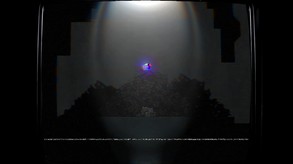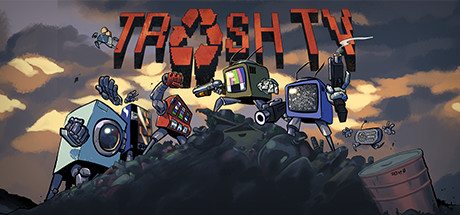
Welcome to the world of Trash TV. Cast away into a recycling center, you play an outdated tube television animated to life with a singular goal – find your remote control and become fully functional again.
Modeled estimate, not a reported figure. How we estimate →
About
Stats
All-time low is the lowest price we've recorded for this game since we started tracking it.
Languages: English
Engagement
Reviews
Themes across 40 recent reviews and how positive each mention is. A keyword signal, not full sentiment analysis.
Reviews
It's short and simple and really nothing special. Mediocre platfromer as it is. I am between recommending and not recommending it, but since there is no such option here - I would caustiosly say YES to it just because it is decently executed and I need to give some praise to a guy making it on his own.
Platform bulmaca tarzı oyun severler için gerçekten güzel bir oyun. Öneririm
:)
Media

Related
Related
Price dynamics, follower growth, revenue and sales trajectories with interactive tooltips
This and every other Pro feature is free until October 20, 2026. A free account is all it takes.
Hours played at review time, across 40 reviews with recorded playtime.
positive critical· bar length = how often the theme comes up
Game would switch weapons each time I shot, making some of the gameplay far too tedious to stomach
Полтора часа несложных головоломок с приятным аудио-визуальным сопровождением
Trash TV, developed by Lawrence Russell and published by Reverb Triple XP, is a curious and inventive indie platformer that takes a discarded relic of the past and breathes new life into it. The player assumes control of a sentient CRT television that awakens in a grim recycling plant, surrounded by heaps of broken electronics and industrial refuse. The TV’s singular goal is simple yet oddly endearing—to recover its lost remote control and restore itself to full functionality. From this modest premise, the game builds a darkly humorous journey through conveyor belts, compactors, and mechanical death traps, weaving platforming precision with puzzle-solving ingenuity. It is a story told almost entirely through atmosphere and environment, where the silence of the scrapyard says more than words could. From the first moment, Trash TV establishes a distinctive identity with its visual and thematic style. The environments are drenched in mechanical gloom, rendered with muted industrial tones punctuated by glowing screens and flickering lights. The game’s protagonist—an old, boxy TV set—feels both nostalgic and melancholic, a relic of the past now fighting to survive in a world that has moved on. The grainy CRT distortion, static flickers, and occasional visual glitches are not just aesthetic choices; they form the essence of the experience, a constant reminder that you are literally playing as outdated technology. Combined with the moody ambient soundtrack and the quiet hum of machinery, the result is an atmosphere that feels both lonely and strangely alive, evoking the forgotten spirit of analog entertainment. The gameplay fuses side-scrolling action with environmental puzzles, creating a rhythm that alternates between careful platforming and bursts of chaos. The controls are responsive and straightforward, giving the player the agility needed to navigate dangerous machinery and tight spaces. What sets Trash TV apart is its use of weaponry not merely for combat, but as an extension of puzzle mechanics. The TV can acquire a small arsenal—from pistols and Uzis to shotguns and even rocket launchers—and each weapon introduces a unique physical dynamic. For instance, firing certain weapons generates recoil that can be used to propel the TV upward or across gaps, transforming combat tools into creative mobility aids. This clever integration of physics into puzzle design provides a satisfying layer of discovery, ensuring that progression never becomes monotonous. While the concept is solid, the structure of Trash TV is intentionally minimalistic. The game unfolds across a central hub leading to a handful of interconnected levels, each filled with traps, switches, and machinery puzzles that test your reflexes and timing. There is a clear sense of flow between levels, but the brevity of each section can catch players off guard. Many stages end abruptly, almost without fanfare, and the entire experience can be completed in under two hours. Yet that brevity works in its favor—it never overstays its welcome or falls into repetition. Each level introduces a new mechanic or twist, maintaining a sense of momentum that keeps players curious about what lies ahead. This is not a game designed for lengthy marathons but rather for a single, concentrated playthrough that delivers satisfaction in short bursts. That said, the limited scope does expose the game’s rough edges. The puzzles, while well-designed, rarely reach the level of challenge seen in genre heavyweights like Super Meat Boy or Celeste. Some players may find the solutions too straightforward or the obstacles too forgiving, while others might appreciate the relaxed pacing and accessible difficulty. There are occasional quirks in pacing and design, such as checkpoints that reset progress unexpectedly or areas that end without clear resolution. Yet even in its imperfections, the game retains charm through its personality and inventiveness. It feels like the work of a developer deeply passionate about giving a discarded object a new voice, and that sincerity radiates through every level. Trash TV’s greatest strength lies in how it conveys emotion without dialogue. The protagonist, a mute television set, somehow evokes empathy through its plight, its flickering screen almost expressive in its silence. The surrounding world—a desolate factory filled with the remnants of consumer electronics—becomes a metaphor for obsolescence and technological decay. There’s an understated melancholy beneath the surface humor, a quiet acknowledgment of how quickly innovation leaves old creations behind. Yet the TV’s determination to reclaim its identity transforms what could have been a grim tale into something subtly inspiring. It’s a reminder that even forgotten machines can have purpose and personality. As an indie title, Trash TV does not attempt to compete with sprawling platformers or cinematic storytelling. Its ambition lies in mood, tone, and concept rather than length or complexity. For players who appreciate concise, creative experiences that experiment with familiar mechanics, it offers a compact but memorable journey. The fusion of retro aesthetics with modern design sensibilities gives it a timeless appeal, and its tight, polished controls ensure that every moment feels deliberate. It may not challenge the genre’s greats, but it doesn’t need to—it stands on its own as a quirky, atmospheric adventure that celebrates the spirit of indie creation. Trash TV may be short, but it leaves a lasting impression, transforming the life of an old television into a poetic reflection on obsolescence, persistence, and the strange beauty of forgotten technology. Rating: 8/10
too short
Не выкидывайте телелики пацаны, они еще матерям нужны...
the game play is okay, but the tone and atmosphere is really boring, to the point where i don't care to finish the game
Selling now
See how fast this game is selling right now — estimated copies and revenue per day from recent review growth.
Players by region
Where this game's players are, estimated from review languages.
Related
| Game | Estimated lifetime revenue | Reviews | Review score | Price |
|---|---|---|---|---|
| $189.6M | 1.6M | 97% | $9.99 | |
| $143.8M | 422.8K | 89% | $19.99 | |
| $101.6M | 561.6K | 97% | $14.99 | |
| $62.6M | 146.3K | 96% | $29.99 | |
| $46.7M | 147.4K | 97% | $19.99 | |
| $36.3M | 183.5K | 97% | $12.49 |
Related
| Game | Estimated lifetime revenue | Reviews | Review score | Price |
|---|---|---|---|---|
| $16.4K | 81 | 63% | $6.99 | |
| $16.4K | 324 | 68% | $2.99 | |
| $16.4K | 79 | 72% | $12.99 | |
| $16.4K | 122 | 89% | $4.99 | |
| $16.4K | 66 | 97% | $19.99 | |
| $16.4K | 144 | 93% | $4.99 |