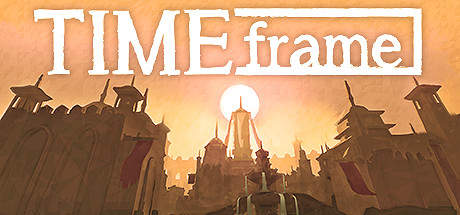
Developed and published by Random Seed Games, TIMEframe is a short but deeply memorable first-person exploration game that proves meaningful experiences do not always require lengthy campaigns or complex gameplay systems. Built around the concept of witnessing the final moments of a forgotten civilization, the game places players inside a world where time moves at an incredibly slow pace while an unavoidable catastrophe draws closer. Instead of emphasizing action or survival, it encourages quiet observation, rewarding those willing to immerse themselves in its mysterious setting and discover its hidden stories through exploration.
The game's greatest strength lies in its atmosphere. Every corner of its beautifully crafted world feels tranquil yet haunting, creating a constant sense of anticipation as players realize that everything around them is approaching its inevitable end. The slowed passage of time allows players to notice details that would normally pass by unnoticed, from shifting environmental elements to distant events unfolding across the landscape. This design transforms even simple walks into captivating experiences, making exploration feel purposeful despite the absence of traditional objectives or combat encounters.
Rather than delivering its story through lengthy dialogue or cinematic sequences, TIMEframe relies almost entirely on environmental storytelling. Ancient structures, abandoned pathways, mysterious monuments, and subtle visual clues gradually reveal fragments of the civilization that once flourished within this world. The game never forces a single interpretation upon the player, allowing each discovery to contribute to a personal understanding of the world's history and its impending fate. This minimalist narrative style creates a lingering sense of mystery that remains engaging long after the experience concludes.
Complementing the visual design is an exceptional musical score composed by Clark Aboud. Featuring elegant performances built around piano, cello, and classical guitar, the soundtrack enriches every moment of exploration with emotional depth. Rather than overpowering the experience, the music gently reinforces feelings of wonder, melancholy, and reflection. Each area possesses its own distinct musical identity, helping establish an emotional connection between the player and the world while enhancing the impact of the game's climactic conclusion.
Artistically, TIMEframe embraces a retro-inspired visual style reminiscent of classic 3D games from the late 1990s while incorporating modern lighting techniques that give its environments warmth and atmosphere. The simplified geometry never feels outdated because the game's emphasis is on composition, color, and mood rather than graphical realism. This deliberate artistic direction gives the world a timeless quality that complements its contemplative themes and helps distinguish it from many visually generic modern titles.
The game's ten-minute looping structure serves as both its defining mechanic and its most interesting design choice. Completing a single cycle only scratches the surface of what the world contains, encouraging multiple playthroughs to uncover hidden locations, witness different events, and piece together additional narrative details. Every return becomes an opportunity to take a different route, observe another sequence, or appreciate environmental moments previously overlooked. This approach creates replay value without relying on unlockable upgrades or procedural content, instead rewarding curiosity and careful observation.
However, the game's specialized design also limits its broader appeal. Players expecting action, puzzles, character progression, or extensive gameplay systems may find the experience too brief and mechanically simple. TIMEframe is intentionally minimalist, offering little hand-holding and few conventional gameplay incentives beyond exploration itself. Its emotional impact depends largely on the player's willingness to embrace its slow pacing and interpret its understated storytelling rather than expecting constant excitement or challenge.
Despite its short duration, TIMEframe succeeds because every aspect of its design serves a unified creative vision. Its visual presentation, carefully composed soundtrack, environmental storytelling, and unique manipulation of time work together seamlessly to create an experience centered on reflection rather than spectacle. Instead of measuring success through hours of content, the game focuses on leaving players with lasting emotions and thoughtful questions about impermanence, memory, and the fleeting nature of existence.
TIMEframe stands as a remarkable example of how independent games can deliver powerful artistic experiences through simplicity and focused design. While it may not satisfy players seeking traditional gameplay depth, those who appreciate atmospheric exploration, subtle storytelling, and emotionally driven interactive experiences will find much to admire. Random Seed Games has crafted a distinctive journey that remains memorable because it confidently pursues its vision without unnecessary distractions. It is a short adventure that demonstrates how a carefully realized atmosphere and meaningful exploration can leave a lasting impression well beyond its modest playtime.
Rating: 7/10