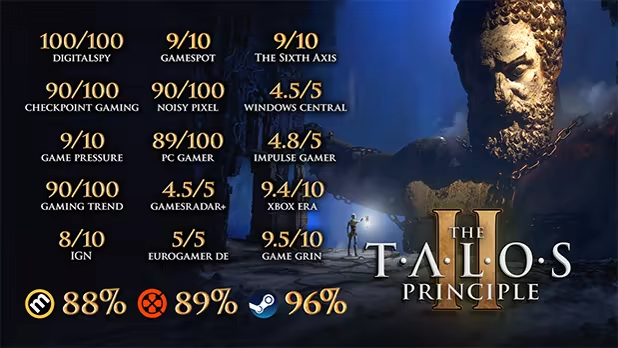
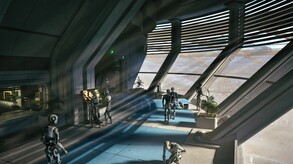
The Talos Principle 2 is a thought-provoking first-person puzzle experience that greatly expands on the first game's philosophical themes and stunning environments with increasingly mind-bending challenges.
Modeled estimate, not a reported figure. How we estimate →
Prices
Each in the currency that store quoted — not converted: the gap between two rows is the publisher's pricing, not an exchange rate.
Discounts
Every price cut of more than 20% we have observed, in each market that quoted one, with this game's chart position on either side of it. These are episodes, not a model: a sale is one event, and one event cannot tell you what the next one will do.
Reviews, worldwide (the counter carries no country): 2.57/day in the week to Jul 23 → 4.57/day in the week after.
About

Add-ons
Each DLC is estimated with the same model as a game, then summed — a modeled figure, not reported DLC sales.
Sums Steam only; PlayStation, Xbox, GOG, Epic publish no volume signal, so the true total is higher by an unknown amount.
| Store | Price | Audience | Score | Chart | Est. revenue |
|---|---|---|---|---|---|
SteamYou are here | $29.99 | 13.4Kreviews | 95% | — | $9.4M |
| $29.99 | 3.1Kratings | 91% | — | not modelled | |
Updates
Build ids and update times come straight from Steam's PICS — the same source SteamDB reads. Patch history grows as we record new builds.
Engagement
Reviews
Themes across 905 recent reviews and how positive each mention is. A keyword signal, not full sentiment analysis.
Reviews
[h3]Приветствую всех, кто ищет ответ на очередной вопрос 🧩 [url=steamcommunity.com/id/2o77x][b]KΛRHΛD[/b][/url] на связи.[/h3] Первый Talos прошёл ещё почти в год релиза и за эти годы так и не нашёл другой игры с похожим ощущением. Не просто хорошую головоломку, а игру, которая реально разговаривает с игроком как с человеком, способным думать. Поэтому ко второй части подходил осторожно. Очень не хотелось увидеть типичный сиквел “[i]больше и громче[/i]”, где теряется сама суть оригинала. К счастью, этого не случилось. Если первый Talos был про одиночество и поиск сознания внутри умирающего мира, то второй уже про общество, развитие цивилизации и страх перед будущим. Причём игра поднимает эти темы спокойно, без попытки читать лекции. Именно поэтому захотелось написать обзор. Многие обсуждают графику и пазлы, но [b]главное в Talos всё ещё не они.[/b] [h3]🤖 О чём игра[/h3] Это всё ещё философская головоломка от первого лица. Основной геймплей знакомый: • лазеры • коннекторы • переключатели • телепортеры • гравитационные механики • работа с цветами и направлением лучей Но теперь мир стал намного масштабнее. Есть Новый Иерусалим, другие роботы, экспедиция, споры о будущем цивилизации и технологиях. Игра постоянно сталкивает разные взгляды: • нужен ли прогресс любой ценой • обязана ли цивилизация развиваться • можно ли избежать ошибок человечества И что мне понравилось — игра не пытается навязать “[i]правильную[/i]” позицию. [h3]🌌 Атмосфера и мир[/h3] Вот здесь Talos 2 удивил сильнее всего. Новый Иерусалим ощущается настоящим местом. Можно просто ходить по городу, читать терминалы, слушать разговоры и наблюдать, как роботы пытаются построить новую цивилизацию после гибели человечества. Философия стала ближе к реальности. Очень много тем напрямую перекликаются с современным миром: • отношение к технологиям • страх перед ИИ • консерватизм против прогресса • желание жить безопасно вместо желания двигаться дальше При этом игра не скатывается в пафос. Всё подаётся спокойно и довольно естественно. Хотя текста здесь реально много. Под конец я уже немного уставал от некоторых диалогов — иногда персонажи повторяют одну мысль разными словами. [h3]🧠 Головоломки[/h3] Для меня пазлы здесь одновременно стали лучше и проще. [b]Лучше[/b] — потому что они чище спроектированы. Почти всегда понимаешь, что решение логичное, а не построено на странностях механики. [b]Проще[/b] — потому что игра редко ломает мозг так, как это делала первая часть. Но лично мне это даже понравилось. Talos 2 почти никогда не превращается в работу. Здесь меньше духоты и раздражающих моментов, где ты воюешь не с задачей, а с самой игрой. Новые механики вводятся постепенно и почти всегда ощущаются полезными. Особенно понравились задачи с комбинированием цветов и переносом сознания. Хотя есть ощущение, что некоторые идеи могли раскрыть глубже. [h3]🌄 Графика и музыка[/h3] Визуально игра местами просто [b]невероятная[/b]. Не в смысле “[i]много технологий[/i]”, а именно по арт-дизайну. Огромные сооружения, пустыни, леса, мегаструктуры — многие локации хотелось просто стоять и рассматривать. Музыка тоже отлично работает на атмосферу. Более спокойная и меланхоличная, чем в первой части. И ещё важный момент — игра вообще не ощущается как современный “[i]маркетинговый[/i]” продукт. [u]Нет гринда.[/u] [u]Нет искусственного затягивания.[/u] [u]Нет желания удерживать игрока любыми способами.[/u] Это просто большая и умная игра, сделанная с уважением к игроку. [code][i]Понравился обзор? Подпишись на мою страницу куратора — я регулярно делюсь интересными играми и рекомендациями:[/i] [url=https://store.steampowered.com/curator/45992773-K%25CE%259BRH%25CE%259BD-%25D1%2580%25D0%25B5%25D0%25BA%25D0%25BE%25D0%25BC%25D0%25B5%25D0%25BD%25D0%25B4%25D1%2583%25D0%25B5%25D1%2582/][b]KΛRHΛD рекомендует[/b][/url][/code] [h3]✅ Что понравилось[/h3] • Очень сильная атмосфера и цельный мир • Пазлы стали менее душными и лучше спроектированными • Новые механики реально меняют подход к решению задач • Красивейшие локации и сильный арт-дизайн • Отличный саундтрек • Игра уважает время игрока • Интересные философские темы без ощущения нравоучений • Редкий пример сиквела, который развивается, а не копирует оригинал [h3]⚠️ Что не понравилось[/h3] • Некоторые большие зоны утомляют беготнёй • Пазлы в целом проще первой части • Диалогов и текста местами слишком много • Не все механики раскрываются до конца • Иногда не хватает одиночества и загадочности оригинала • Русской озвучки очень не хватает [h3]🏛️ Итог[/h3] The Talos Principle 2 — очень редкая игра. Она не пытается удерживать игрока гриндом, зависимостью или бесконечными активностями. Это просто умная, спокойная и очень аккуратно сделанная головоломка, после которой реально остаются мысли. Да, первая часть для меня всё ещё чуть сильнее эмоционально. Но Talos 2 оказался именно тем продолжением, которого я боялся не дождаться. ⭐9/10 — [b]одна из самых цельных и запоминающихся головоломок последних лет[/b] ────────────────────────────────────────────────────────────── [h1][b]Если обзор был полезен — буду искренне рад лайку 👍, награде🏆 или паре слов в комментариях✍️ Это поможет в работе над следующими обзорами и просто будет приятно. Для ознакомления 👇[/b] ⠀⠀⠀⠀⠀⠀⠀⠀⠀⠀⠀⠀[url=steamcommunity.com/id/2o77x/recommended/] [b]🎮 Мои Обзоры [/b] [/url] ⠀⠀⠀⠀⠀⠀⠀⠀⠀⠀⠀⠀[url=steamcommunity.com/id/2o77x/myworkshopfiles/?section=guides] [b]📖 Руководства [/b] [/url] ⠀⠀⠀⠀⠀⠀⠀⠀⠀⠀⠀⠀[url=steamcommunity.com/id/2o77x/screenshots/] [b]📸 Скриншоты [/b] [/url] ⠀⠀⠀⠀⠀⠀⠀⠀⠀⠀⠀⠀[url=steamcommunity.com/id/2o77x] [b]🥷 Профиль Steam [/b] [/url][/h1]
Media

Related
Related
Price dynamics, follower growth, revenue and sales trajectories with interactive tooltips
This and every other Pro feature is free until October 20, 2026. A free account is all it takes.
Every market we collect.
For scale, across Steam · Top Sellers · Brazil over the last 30 days: the 25 chart moves that followed a price cut of more than 20% went a median of 10 places towards #1, and the 2,413 moves with no price cut behind them went 2 away. One store, one chart, one country — it is the only place we have enough observations to say even that.
Prices outside the United States have been collected since 6 August 2026 and chart positions since 19 July 2026, so a cut older than that has no market to compare and a market that joined later has no history yet. Nothing here is converted between currencies.
Genres
Stats
All-time low is the lowest price we've recorded for this game since we started tracking it.
Languages: English*, French, German, Spanish - Spain, Japanese, Korean, Polish, Portuguese - Brazil, Russian, Simplified Chinese, Traditional Chinese, Turkish*languages with full audio support
| $29.99 |
| 811ratings |
| 88% |
| — |
| not modelled |
| $8.99−70% | 133ratings | 92% | — | not modelled |
| $29.99 | — | — | — | not modelled |
Matched by title — a reused name can pair the wrong games. * is a critic aggregate. Prices and positions are each store's United States storefront; Epic charts worldwide. Audience and Score too, except Steam's, which is worldwide.
Hours played at review time, across 906 reviews with recorded playtime.
positive critical· bar length = how often the theme comes up
A Sequel That Expands the Scale but Loses the Spark The Talos Principle 2 aims higher than its predecessor in almost every way — bigger environments, a broader narrative, more complex ideas. On paper, it should be a clear evolution. But in practice, it often feels like the game traded its tight, focused brilliance for something more bloated and less impactful. The puzzles are still clever, but they’ve lost some of the elegance that made the first game so satisfying. Instead of concise, “aha!” moments, many challenges feel stretched out, relying on layered mechanics that can become more tedious than rewarding. You’re often juggling multiple tools across large spaces, and while that adds scale, it also slows the pacing and dilutes the sense of clarity. Solving a puzzle doesn’t always feel like a breakthrough — sometimes it just feels like you finally got through the clutter. The open structure doesn’t help either. Larger hub areas and optional content sound appealing, but they introduce a sense of sprawl that works against the experience. There’s more walking, more downtime, and more moments where the game loses its momentum. The original thrived on its focused progression; here, that focus is often missing. Narratively, the game tries to go even deeper into philosophical territory — questions about consciousness, society, purpose, and humanity. But where the first game felt intimate and thought-provoking, the sequel can feel heavy-handed and overextended. Dialogue is longer, themes are repeated more bluntly, and the subtlety that once made the writing so compelling is often replaced by exposition. It’s ambitious, but not always effective. Visually, the game is undeniably beautiful. The environments are varied and detailed, and there’s a clear effort to create a sense of scale and wonder. But that beauty sometimes feels disconnected from the gameplay, serving more as a backdrop than an integrated part of the puzzle design. The Talos Principle 2 isn’t a bad game — there are still moments of brilliance, and fans of puzzle games will find things to appreciate. But as a sequel, it struggles to capture what made the original so special. Bigger doesn’t always mean better, and in this case, the added scope comes at the cost of focus, pacing, and emotional impact. In the end, it’s a thoughtful but uneven experience — one that expands the formula, but never quite matches the quiet, lasting brilliance of the first game.
Что может быть лучше The Talos Principle? Только The Talos Principle 2! Но на самом деле обе игры великолепные. Многое произошло со времён первой части, но мы всё равно будем решать загадки. Это сюжетно обосновано, а для нас это вся суть игры. Загадки никак не пересекаются с первой игрой, они все уникальные. Случайно прийти к решению нельзя, нужно хорошо подумать! Появилось множество новых устройств для решения загадок. Будет множество коннекторов для лазеров: RGB, купольный, переносной источник. Но не только коннекторами едины. Появятся ещё телепорт, перемещение сознания в другое тело, антигравитационное устройство. Загадок очень много и они удобно разбиты на разные регионы. 4 направления: север, запад, юг, восток. В каждом направлении по 3 локации. Правило всегда одно: 8 основных загадок, одна потерянная загадка (логотип треугольника), золотая загадка за воротами, 2 загадки со статуями Пандоры, Прометея или Сфинкса. Помимо решения загадок вы можете просто прогуляться по красивущим локациям, они все друг от друга отличаются и соответствуют тематике направления. На севере будет много снега, на юге - тропики и пустыни. Также на локациях раскиданы терминалы, где можно впитать в себя массу лора и философии. Ещё философию бесплатно раздают голограммы от других путников и Стратона. Для удобства наверху экрана будет компас с отмеченными вопросиками (кроме голограмм) и табло с пометками, где находятся загадки. В первой части загадки со звёздами были слишком несвязными, заставляющими нестандартно мыслить, вытаскивать вещи из загадок и так далее. Во второй части это упорядочили, ставя нам более конкретные цели. У статуи Прометея нужно найти огонёк и проследовать за ним. У статуи Сфинкса нужно найти место на изображении и взаимодействовать с объектами. Статуя Пандоры потребует соединять лазеры, используя несколько загадок на локации. Ещё в первой части было одиноко, поэтому в дополнении “Путь в Геенну” я был экстремально рад, что там появились форумы и общение с другими персонажами. Во второй части эту тему НЕВЕРОЯТНО сильно развили! Начнём с того, что мы отправляемся в экспедицию со множеством персонажей, которые бродят по уровням и с ними можно о многом поговорить! А также у нас периодически будут появляться личные сообщения и ветки с форумами, на которые можно отвечать. Ваши публичные ответы влияют на сюжет. И казалось бы, перед нами просто железки с искусственным интеллектом, но все они принципиально разные (не только расцветкой), со своими взглядами на жизнь. Общаться с каждым приятно и интересно. К некоторым приходилось привыкать, потому что они казались ворчливыми и излишне консервативными, но даже в них есть свой шарм. Вы не можете одновременно быть согласны с каждым, но они и не ждут этого от вас. Спорить с ними интересно, никто не обижается на вас. В некоторых случаях вы можете переспорить их, а может - они переспорят вас! Меня впечатлил момент с любителем котиков, который хочет каким-нибудь образом сделать так, чтобы коты жили дольше. Сначала я сказал, что смерть - естественный процесс, с этим ничего не поделаешь. Персонаж возразил мне и сказал, что это не повод мириться с этой несправедливостью. И он реально убедил меня, я с ним согласен. Смерть - отстой! Нужно искать способы, чтобы жить дольше и продолжать проходить игры от Devolver Digital! Помимо основной игры есть крупное DLC “Road to Elysium”. Оно состоит из трёх отдельных историй, которые продолжают сюжет (и даже завершают его). О DLC рассказываю в отдельном обзоре на его странице. Если кратко, то сюжет игры повествует нам о том, что то самое “дитя” из первой части смогло выбраться из симуляции в реальный мир, перенеся сознание в тело робота. Теперь робот называет себя Афиной, создаёт себе подобных и пытается возводить города. Мы появляемся на свет тысячным по счёту, поэтому нас так и называют - 1к. Вокруг Афины появился культ личности, что она - Создатель, самая мудрая и знающая всё. Но она куда-то исчезла, сказав людям, что нужно жить в скромности, не развиваться больше положенного, и количество жителей планеты должно быть не больше 1000. И вот, мы идём праздновать день нашего рождения, но вдруг появляется огромная голограмма Прометея, который непонятно о чём говорит. После мы отправляем в экспедицию. Сюжет не глупый и крайне интересный, особенно когда всё складывается воедино! Что касается философии, она стала гораздо доступнее и понятнее. В первой части в текстовых документах было много отрывков из произведений, которые читать трудновато и суть не всегда получалось уловить. Скажем так, во второй части философию смогут понять даже самые маленькие! Но это не делает её глупой, напротив - доступнее. Если всё рассказанное и описанное не изменит ваше мировоззрение, то хотя бы заставит о чём-то задуматься. Я с удовольствием читал все документы и внимательно слушал речи. Удобно, что тут есть журнал, где можно посмотреть все озвученные реплики из всех источников. За графику отвечает Unreal Engine 5, с которым Croteam справились вполне нормально. Нас всегда окружает природа, её разные биомы. Где-то суровая зима, а где-то согревающее лето. Графика прекрасная, скриншоты так и летят. Фоторежим тут есть и он отличный! Оптимизация хорошая, над этим хорошо постарались. Музыка шикарная! Каждый актёр озвучки проделал работу великолепно! Когда бегаете за огоньком Прометея, играет странноватая музыка, которая кажется нелепой и глупой. Но в истинной концовке она будет играть вновь, после этого момента я полюбил эту композицию. Она ассоциируется у меня с чем-то добрым, футуристичным, и даже грустным. Не жалею ни единого часа, проведённого в этой игре, это было потрясающе! И мне действительно грустно заканчивать прохождение этой игры. Впервые испытываю именно такое чувство, не знаю, как его нормально объяснить. Будто покидаешь крайне уютное место, которое хочется назвать домом, хотя тебя здесь никогда не будет. Наш мир слишком грязный, противный, невероятно жестокий. Никто не хочет слушать друг друга, договариваться, мирно сосуществовать, всегда найдётся подлость, ненависть, тьма. Конечно, существуют добрые люди, которые сияют, но всё перегружено негативом. Видимо, только полностью чистый лист с воспоминаниями обо всём плохом могут помочь наконец избежать ошибок и создать мир, где можно будет наконец просто сесть и смотреть на звёзды, без втыкания ножа в спину. Увы, в таком мире никому из нас не суждено жить. Но повод ли это забиться в угол и плакать? Вовсе нет! Делайте всё возможное, цепляйтесь за каждую возможность, чтобы жить в своё удовольствие и счастливо! Этот мир полностью прогнил, поэтому нам остаётся только сиять, чтобы не утонуть в его убожестве! Цените свою жизнь и жизни всех вокруг вас! Все мы - украшение Вселенной, которой нет до нас дела. Смысл в нас, именно благодаря нам Вселенная имеет смысл. Так пусть мы будем созерцать и улучшать, а не разрушать и тратить время на бесполезную жестокость! Благодаря игре я смог ответить на главный вопрос, который многих интересует. Смысл жизни в том, чтобы задавать вопросы и находить на них ответы. Красиво? Как я рад, что эта игра появилась на свет и получилось наконец до неё добраться. Целую руки гениальным Croteam, крепко жму руки Devolver Digital, протягиваю свои руки всем вам, чтобы пригласить в незабываемый The Talos Principle 2! Существует безумное количество игр, но мало какую можно назвать шедевром. Перед вами тот самый редкий случай. Плюсы: - множество уникальных загадок - интереснейшие и разнообразные персонажи - классно переданная социальная составляющая в виде форумов и обсуждений - интригующий и нескучный сюжет - понятная философия, которая действительно может повлиять на ваши взгляды на жизнь - прекрасная графика - офигенная музыка - добротная озвучка - хорошая оптимизация, несмотря на UE 5 - отличное большое DLC, расширяющее историю - уже не просто игра, а настоящее искусство
The game takes place in a world where humanity is gone and intelligent machines have inherited what remains. Instead of focusing on survival or disaster, the game asks different questions: What happens after? What kind of future do we build? What values do we keep? The world is absolutely gorgeous. Ancient ruins stand next to futuristic structures. Forests, deserts, beaches, snowy mountains — every area feels carefully designed to make you stop and look around. More than once I found myself standing on a cliff, forgetting there was even a puzzle to solve, simply enjoying the view. I spent a lot of time wandering around, reading messages, listening to conversations, finding small secrets and checking every terminal I could find. Not because the game told me to, but because I genuinely wanted to know more about this world and the people living in it. Every new area felt like it had another story waiting to be discovered. The citizens of New Jerusalem have friendships, disagreements, hobbies, ambitions and fears. They joke with each other. They argue. They make mistakes. They love. Their conversations felt surprisingly human. Not because they act like humans, but because they struggle with the same questions we do. Some want to preserve what they have. Others want to push forward into the unknown. Some are excited about the future. Others are terrified of it. And the more I explored, the more I realized that this game isn't really about them. It's about us. About what we leave behind. About whether future generations should follow our path or create their own. About what makes a society worth building in the first place. The game doesn't spend hours trying to convince you of a single answer. Instead, it presents different perspectives and trusts you to think for yourself. The puzzles themselves are fantastic. They start simple enough to teach you the mechanics, but later become genuinely challenging. What I appreciate most is that the game rarely feels unfair. When you're stuck, it's usually because you're looking at the problem the wrong way. Some puzzles made me feel like a genius. Others made me walk around in circles for twenty minutes before realizing the solution was right in front of me. Both experiences were equally memorable. What surprised me most was how emotional the game becomes toward the end. There's so much hope and love in it. Many science-fiction stories are built around the idea that humanity will destroy itself, that technology will ruin everything or that the future is something to fear. This game acknowledges humanity's mistakes, but it also remembers our achievements. It looks at everything we've done, the good and the bad, and asks whether something better can grow from it. This is a game that trusts the player to think. A game that isn't afraid to discuss big ideas while still being entertaining. By the end, the game leaves you wondering whether the future might actually be worth looking forward to. And somehow, it feels like hope might be just enough.
TTP2 left me with quite... mixed feelings. I deeply adore the first TTP, it has become my favourite game of all time when i played it for the first time, and after many years it still is. I've been dying to see the second part of the series, and the game being announced was a otherworldly experience itself. But TTP2 came out to be so very different... The atmosphere and the unique philosophy of the first part were almost gone, and most of the previously highlighted ideas had switched to new topics. More realism and... mundane stuff given in exchange for previously respected existential themes and... i don't know... purity? The main story of the second game was somehow intriguing and creative in the beginning but became absolutely boring and unbearable to its end. The world is drawn so very beautifully both in nature aspects and surreal parts, but its foundation is a weak and unexplainable fantasy, a theory — one in a thousand — of how cool things could be if humanity got rid of our negative sides. And still, they (the new "they") did not. When the society of New Jerusalem almost collapses in just several days of the expedition, the question rises - how did they survive all those years before? It all looks like a weak attempt at creating a capsule population which brings up too many questions about logical errors in the utopia described inside that dome. This world is cute or maybe funny but shamefully unprobable. After what we've been experiencing in the first game — in Gehenna specifically — this is such a downfall. The new ways of solving puzzles were... controversial. With so many new tools it felt involving at first, but the overall difficulty was lowered drastically this way. And, even being mostly easier than in TTP1 (at least in my experience), the puzzles were weird and felt wrong somehow. I think when i was finishing the last of them i still hadn't got used to the idea of [i]having[/i] to break the rules of the previous title. There was a room in TTP1 named "do not cross the streams". Or was it an achievement maybe... Well, this is just a small example of how the second game exploits a previously rare and -i dare say- banned mechanic as a basis for an ENTIRE DLC CHAPTER! Can't say many pleasant words about the DLCs, too. They were partly unplayable for me because of motion sickness (after patches as well), and were a deep disappointment narratively. All the relaxation stuff and humor nonsense felt too out of place, especially when it came to robots digesting sand as a normal experimental (and totally non-lethal) practice. The story of 'we can revive anyone if we wish so' removes all the drama and value of life/death theme. In gameplay, i specifically encountered a bug which prevented me from finishing one star until i found an alternative solution, and i did not receive and achievement related to my way of solving a puzzle. I am still unsure if it was also considered "exploit" but i did such solutions in TTP1 and it was 100% legit, no wall jumping and stuff, but it left a bad impression. It is always strange to play TTP when you know you are somehow limited because someone said that some ways of playing are exploitive. The only thing I loved, and will love forever for sure, is the music. Damjan Mravunac was my first favorite OST composer, and when I heard that Chris Christodoulou — a genius behind Risk of Rain soundtracks — joined him in creating part of the sountrack for TTP2, I was on cloud nine. Julie Elven, which I know and love from the Horizon series, was also a lucky addition. The soundtrack fits the game perfectly, and makes the world alive and much better. Since we have a third part coming, there is no reason to recommend against the series. It is all very personal for everyone. Many of players these days insist TTP2 is a much better experience than the first game (remastered or not). And we still fot much to see with the third title. But as for me, it should've ended after Gehenna. The story was quite completed then. The eternal waiting for the second part could remain as just some far aching feeling in a heart reminding that such masterpiece as TTP was once created.
The game starts with a unskippable tutorial level with very basic puzzles (ok but boring for who played Talos Principle 1), followed by an annoyingly long sequence of cutscenes, dialogues and animations. It can take more than 20 minutes before you step into the first puzzle. "Please consider visiting the city (and talk to more robots) before we go to puzzle island" –Sure! The maps are massive but mostly empty of gameplay content. Enjoy all the vegetation and beautiful useless buildings as you wander around looking for the next puzzle. While TP1 looked like many puzzle chambers neatly stitched together into a hub world, here you are inside huge environment design demos with isolated puzzle enclosures scattered around. There is a compass that points to all relevant locations and ""secrets"", as if the developers themselves realized how boring exploration was. Puzzle difficulty is generally low. Every map introduces a new interesting puzzle tool and mechanic, but complexity and creativity in puzzle design never really ramp up as you get familiar with it, then the puzzles are over and you are back to tutorial-like puzzles in the next map. The secret stars that in TP1 required you to think "outside the box", here are very easy and a chore: just find a switch, connect a laser to that same statue, or follow a particle effect while running across the entire map. You are accompanied on puzzle island by some useless NPC robots that talk annoyingly often, constantly making lame meaningless comments on what you are obviously doing or seeing. "Is that a puzzle?" –almost clicked uninstall there. The voice chat calls that sometimes interrupt your gameplay are genuinely insufferable. "We need to talk about what just happened" –NO, let me play the damn game. You cannot load a specific level of the campaign from the main menu, at least the ones you completed once. My save file got broken and I had to start all over. The game often crashed when I ran to a button right after entering a new puzzle chamber or when I spammed grab/drop on a puzzle tool. Core gameplay mechanics, I think. The scenery is gorgeous, especially on Ultra settings, until you look closely and notice how blurry it is. I guess that's Unreal Engine 5 for you. There is a ugly grainy fog on the water and rocks are popping out like crazy during cutscenes. Performance is ok. But I have a powerful PC and I have seen other games looking good with 2 times the fps. Soundtrack is good, but same background music in first 3 areas gets a bit repetitive.. Sound design is also well done, I like the puzzle tools having distinct ticking/clanking noises. I quit after entering the "boss" area you unlock every 3 levels, hoping for a change but finding kilometric puzzles and more needless talking. So far even the story did not seem interesting. The game is like constantly telling you what to think through what the NPCs say and trying to sound serious. But most of it never feels believable. So I watched the rest of the story, and I really did miss nothing.. The entire plot revolves around 1 theme, and the characters only discuss the same dilemma over and over, always giving their same answer, never changing sides. There are no actual twists, no memorable characters and the ending is predictable.
What surprised me most about Talos Principle 2 is that it has one of the best dialogue systems I've seen in a game. No, seriously. There were a couple of times when a character came up to me and said something like: "I've been thinking about when you said [thing], and...". Absolutely trivial to implement something like that in a game, and yet even Baldur's Gate 3 didn't. Apparently some people are saying that the philosophical theme of this one is shallow. Sure, you can say that. Optimism is never "deep", but it's still precious, and all too rare. The puzzles were definitely easier than the first one. There's different kinds of satisfaction to be found in puzzles, and TP2 squarely focuses on only one of those kinds. It gives you a mechanic, challenges you to consider the full ramifications of how that could be used, and then promptly moves on. If you are looking for the other kind of satisfaction, that of untangling a brain-melting incomprehensible mess that turns out, by the power of your mind, to be simplicity itself: you won't find that here. Also, frogs are people.
In Talos 1, going out of bounds felt meaningful. Elohim chants: “In the beginning were the Words, and the Words made the world…” Talos 2 handles limits with loading screens. Retry a puzzle in Talos 1? A smooth rewind that preserved immersion. Retry in Talos 2? Another loading screen. More budget, less soul. The puzzles are easy, the story constantly gets in the way, and the voice acting lacks the charisma the terminals once had. It also lacks the quiet philosophical weight that made the first game special. Interacting with the world feels like I'm interacting with chat GPT, strange, weird, meaningless. At some point, something happens to a member of the crew and I just felt nothing, I just wanted to reach the checkpoint and continue another day that will never come. Listening to the scientists’ recordings while speedrunning the puzzles was enjoyable, but I can’t find a reason to boot the game once more.
Recommended for the puzzles but the philosophy/history lessons get bogged down by reddit-tier intellectualism. Guys, guys, super advanced robots in the future would know that Galileo was wrong. He was of course correct that the Earth rotates around the Sun, but his math was literally wrong, he predicted the planets would have perfect circular orbits and they don't, they're ovals essentially. And anyone taking G.K. Chesterton's quote about "Maybe we are older than our Father" and stating "he didn't understand" is ruining or not understanding themselves one of the most poignant thoughts put on paper.
Честно говоря, разочарован. Насколько затягивающей и самобытной была первая часть, настолько пресной оказалась вторая. Даже не стал доигрывать. Много бессмысленных диалогов, лишних движений и других моментов, которые портят атмосферу. Графику накрутили, а вот сюжет испортили. Увы...
Active players
Estimated daily and monthly active players (DAU/MAU) modeled from peak concurrency.
Players by region
Where this game's players are, estimated from review languages.
Players also reviewed
The games this title's players most often review too — audience affinity.
Related
| Game | Estimated lifetime revenue | Reviews | Review score | Price |
|---|---|---|---|---|
| $35.5K | 69 | 93% | $19.99 | |
| $56 | 2 | 0% | $1.79 | |
| — | 0 | — | — | |
| — | 0 | — | — | |
| — | 0 | — | — | |
| — | 133 | 92% | $8.99 |
Related
| Game | Estimated lifetime revenue | Reviews | Review score | Price |
|---|---|---|---|---|
| $9.4M | 16.7K | 82% | $24.99 | |
| $9.4M | 11.4K | 81% | $29.99 | |
| $9.4M | 19.1K | 94% | $14.99 | |
| $9.4M | 17.6K | 97% | $24.99 | |
| $9.4M | 13.8K | 98% | $19.99 | |
| $9.4M | 14.8K | 73% | $29.99 |