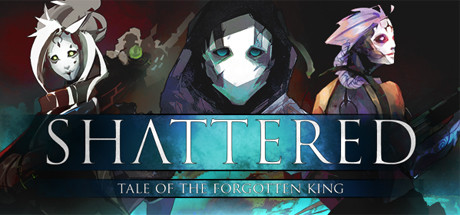
The old world is gone, lost with the disappearance of the King. Reforge reality in this dark action RPG through skill-based combat, innovative open-world platforming and the testimonies of survivors… some more trustworthy than others. Are you ready, Wanderer?
Modeled estimate, not a reported figure. How we estimate →
Prices
The United States storefront in every case, so this compares stores and not countries.
Discounts
Every price cut of more than 20% we have observed, in each market that quoted one, with this game's chart position on either side of it. These are episodes, not a model: a sale is one event, and one event cannot tell you what the next one will do.
Reviews, worldwide (the counter carries no country): 0/day in the week to Aug 28 → 0/day in the week after.
For scale, across Steam · Top Sellers · Brazil over the last 30 days: the 25 chart moves that followed a price cut of more than 20% went a median of 10 places towards #1, and the 2,413 moves with no price cut behind them went 2 away. One store, one chart, one country — it is the only place we have enough observations to say even that.
Prices outside the United States have been collected since 6 August 2026 and chart positions since 19 July 2026, so a cut older than that has no market to compare and a market that joined later has no history yet. Nothing here is converted between currencies.
About


Sums Steam only; GOG publishes no volume signal, so the true total is higher by an unknown amount.
| Store | Price | Audience | Score | Chart | Est. revenue |
|---|---|---|---|---|---|
SteamYou are here | $9.99 | 789reviews | 67% | — | $140.7K |
| $9.99 | 41ratings | 64% | — | not modelled |
Matched by title — a reused name can pair the wrong games. * is a critic aggregate. Prices and positions are each store's United States storefront; Epic charts worldwide. Audience and Score too, except Steam's, which is worldwide.
Engagement
Reviews
Themes across 55 recent reviews and how positive each mention is. A keyword signal, not full sentiment analysis.
Reviews
This game felt like a little bit like Nier, a little bit like Dark Souls. Not as good as either, but considering I've seen the price get down to $3, it's super good. Like Nier and DS, the story is hinted out but not outright given to you. I didn't run into any major bugs, though I did find multiple ways to skip past areas and break into places I wasn't supposed to be yet. I never got stuck in those places, though. It doesn't hold your hand, boss fights can be tricky, and upgrades are fun. I loved it. I'm genuinely surprised to come back to it and find it with a Mixed review rating.
Feels like a student project that got out of hand, there's significant vision and artistic flare but the mechanics are poorly implemented. You can tell the Devs lacked experience when making it. Honestly even at 90% off I'm struggling to want to continue and it seems the majority of people feel the same way with less than 50% of players making it beyond the 20 minute tutorial area and what appears to be the first optional boss.
Media

Related
Related
Price dynamics, follower growth, revenue and sales trajectories with interactive tooltips
This and every other Pro feature is free until October 20, 2026. A free account is all it takes.
Genres
Stats
All-time low is the lowest price we've recorded for this game since we started tracking it.
Languages: English, French, German, Spanish - Spain, Russian, Simplified Chinese
Hours played at review time, across 55 reviews with recorded playtime.
positive critical· bar length = how often the theme comes up
Игре ставлю твёрдую четвёрку. Она точно понравится любителям соулс лайк. Да, у неё есть недостатки, но в целом нормальная игра. Если будет по скидке, смело покупайте.
Думал, что это хотя бы немного интересный souls-like, но по сути от жанра здесь присутствуют только стамина, увороты, шорткаты и боссы. Игра абсолютно не сложная, но при этом невероятно душная. Пока не прошёл до конца, но текущее состояние вызывает лютую духоту. Надеюсь, что всё-таки пересилю себя и не дропну её на полпути. плюсы: Визуальный стиль: графическое исполнение выглядит приятно. -Игровой лор: история и проработка мира кажутся неплохими. минусы: - Однообразные враги: за 5 часов встретил всего около 6 разновидностей противников. Сражаться с ними скучно, так как они просто закликиваются одной кнопкой. - Слабые боссы: победил всего двух боссов. Сражения пролетают слишком быстро, а сами противники разочаровывают кривыми анимациями, неотзывчивыми хитбоксами и унылыми мувсетами. - Баги: за достаточное короткое игровое время уже словил достаточно багов. - Бесполезное исследование: локации забиты непонятными развилками, которые тратят время и ведут в тупики с абсолютно ненужным лутом (не всегда, но очень часто). - Худший платформинг: один из самых главных минусов. Разработчики добавили прыжки и элементы платформера, но их реализация оставляет желать лучшего. Это тяжело описать словами — в это нужно «поиграть» и прочувствовать лично. Итог: проект держится исключительно на атмосфере и лоре, но полностью проваливается в геймдизайне и геймплее. пока что 5/10. UPD: 3/10
Very good. No hand holding.
Несколько часов дают полазить по очень запутанным мрачным подземельям - обычная история для этого жанра. Дают пару несложных боссов. Ну вот, норм игра же, че там в отзывах все так плохо то? А потом выпускают в открытый мир, где, наконец, начинает работать карта. На карте несколько точек. Понятно, бежать надо на какую-то из них, наверное, там будет босс. И по пути к этому боссу начинаешь понимать, что этот самый открытый мир как-то подозрительно пустоват и не продуман. Бежишь минут десять натурально по пустому крайне отвратительно проработанному ландшафту. Тут тебе ни троп, ни внятного пути. Порой приходится прыгать по скалам, явно для этого не предназначенным. Такой хeрней я последний раз занимался лет 15 назад на пиратке WoW-а. Ну вот, бежишь себе, бежишь, вдруг из ниоткуда прыгает огромный хеp, и начинает тебя дубасить. Умираешь. Снова бежишь десять минут, наслаждаешься ничем, даже музыка не всегда есть, а та, что есть – полтора хреново сгенерированных трека, даже не подходящих по атмосфере игры. Первые несколько раз казалось, что, наверное, в этом есть какой-то глубокая авторская задумка. Черта с два! А вообще-то мы играем в соулс, спешу напомнить, где на каждом шагу должен быть экшон и бои, а не симулятор ходьбы. Могу поспорить что большую часть сгенерировали второпях алгоритмами, даже не проверив как оно в итоге играется и насколько это весело вообще. Как подтверждение: хаотически расставленные точки сохранения посреди этого открытого мира, в радиусе которых зачастую нет ничего хоть немного интересного, сундуки и разные собираемые штуки, запрятанные как в очень охраняемых местах, так и просто последи поля в кустах (какая вероятность, что ты там вообще окажешься?), и, пожалуй цена. Пробиваешься, значит, через орду врагов, бегаешь по несколько раз с чекпоинтов, добираешься наконец до заветного сундука, а там записка «ты пидop». Все еще есть сомнения, что авторы просто издеваются? Темные уровни — это вообще отдельный разговор. Взять тот же «Дом». Двигаешься по лабиринту наощупь, где за углом стоит враг, который вынесет полное хп за комбо. Весело? Тогда беги еще десять минут с точки сохранения, может в этот раз повезет, если вообще вспомнишь, где тебя убили. Но если поставить графику на минималки, то все становиться отчетливо видно. Я уверен никто это дepьмо не тестировал. Те несколько боссов, что я все-таки осилил – кривой кал. Куча атак с абсолютно одинаковым кастом. Сможешь ли ты парировать эту или надо прыгать? Тут как повезет. Один так вообще делал 3-4 ложных замаха, не наносящих урон. Какой здравомыслящий геймдизайнер будет такое делать? А потом боссы встречаются в виде простых врагов. Действительно, зачем придумывать новые модельки и анимации атак. Короче, за всей этой мрачной псевдофилософской xерней, абстрактными иллюстрациями и путанными текстами не скрывается абсолютно ничего. Эта игра не бросит вам вызов, она бросит вас в пустом поле, бежать и думать на какую бесполезную хepню вы тратите свое время.
Esse jogo é interessante, mas tem alguns bugs e algumas áreas com uma boa queda de FPS, porém da pra curtir e o jogo não é muito extenso.
Llevo hora y media de juego por lo que la crítica no va a ser teniendo en cuenta el juego completo. Hago esta crítica por que las calificaciones que tiene el juego actualmente me enfadan. Llevo hora y media y ha sido suficiente para darme cuenta de que es un juego con alma. Criticamos todos los juegos de empresas grandes como juegos sin alma, que ya no le ponen corazón ni nada; y este juego me da pena. Es un buen juego, las animaciones a veces se sienten un poco toscas e igual te encuentras algún bug minúsculo como un enemigo bloqueado con dos piedras. ¿Pero qué más da? Pagamos 60-70€ por un puto Assassins Creed sin ningún tipo de novedad en los últimos 10 años y la gente crítica a este juego como si se hubieran gastado millones en producirlo. Es un soulslike que no intenta ser difícil por ser difícil como hacen la mayoría de los soulslike. El juego entiende la formula de Miyazaki, de que la dificultad no tiene que ser forzada. El diseño de niveles es increíble, en esta hora he estado únicamente dando vueltas por la primera zona, porque me he dado cuenta de que podías caminar por cualquier lugar del mapa, como si fuese elden ring. Suena estúpido pero el diseñador de niveles tiene en cuenta esto y te pones a hacer un parkour que crees que te acabas de inventar y de repente te encuentras un fragmento de algo al final. De verdad, merece la pena cada euro solo por la pasión que han puesto creando el juego. Es el primer juego de una empresa y tengo ganas de que hagan una segunda parte de este juego solo para que le callen la boca a todos los subnormales que no son capaces de diferenciar entre una empresa primeriza y From Software.
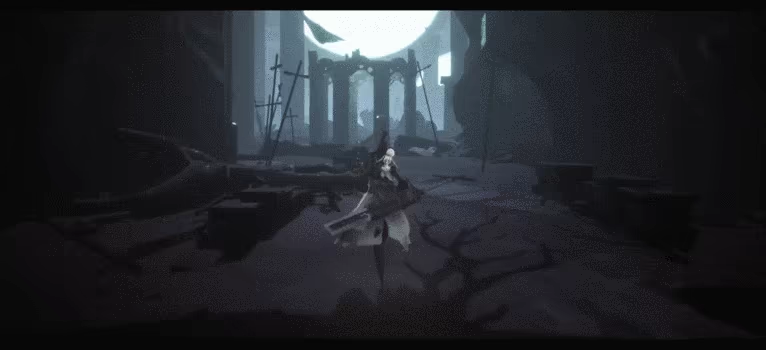
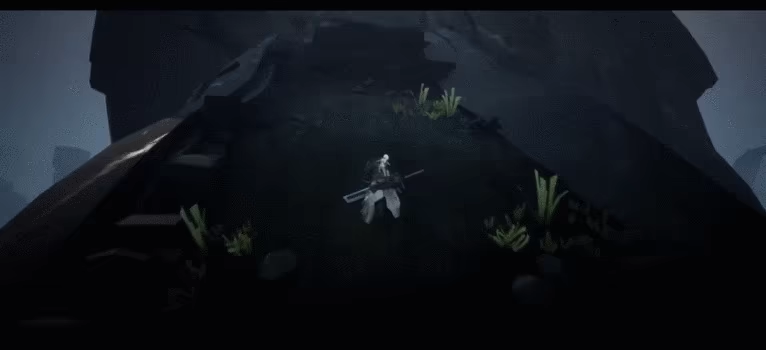
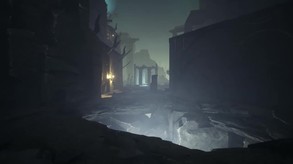
Shattered – Tale of the Forgotten King, developed by Redlock Studio and published with the help of Dear Villagers, is a haunting and ambitious action RPG that attempts to merge the cryptic storytelling and punishing combat of the souls-like genre with the atmospheric worldbuilding of surrealist fantasy. Set in the desolate realm of Hypnos, the game casts the player as the Wanderer, a lone traveler awakening in a world shattered by the disappearance of its mysterious ruler. With the fall of the King, reality itself has fractured, leaving behind a landscape of broken geometry, drifting islands, and ancient ruins populated by echoes of former life. It is a world both majestic and melancholy, designed to evoke curiosity through its quiet emptiness. From the very first moments, Shattered declares its intention to be a journey through isolation and decay rather than a traditional hero’s quest, and in this respect, it succeeds admirably. The game’s visual identity is perhaps its greatest triumph. Hypnos is rendered in a stark, painterly art style that blends minimalist architecture with surreal dreamscapes. Massive monoliths float above abyssal voids, long-forgotten temples stretch toward blackened skies, and fragmented landmasses drift like pieces of a dying puzzle. Every region feels deliberately alien, and each vista captures a sense of grandeur and mystery that encourages exploration. The developers’ use of lighting and shadow transforms even simple areas into striking compositions, and the soundtrack—filled with solemn piano melodies and ambient tones—perfectly reinforces the melancholic tone. There are moments when the game feels closer to a work of abstract art than a conventional RPG, and it is these moments that linger most in memory. Mechanically, Shattered adopts the familiar rhythm of the souls-like formula: deliberate combat, stamina management, precise dodging, and punishing death mechanics. Players collect “souls” as currency for progression and risk losing them upon death, forcing the familiar tension between greed and caution. Where it differs from its peers is in its fusion of 3D exploration and 2.5D platforming. Certain sections shift to side-scrolling sequences, introducing a sense of variation and flow that prevents the experience from feeling entirely derivative. The game also grants the Wanderer a unique traversal tool—a levitating skateboard-like device that allows for fluid movement across open terrain. It’s an unexpected addition that contrasts the heavy, grounded combat with moments of almost dreamlike freedom, and while it can feel awkward in practice, it adds personality to the world’s design. Unfortunately, the ambition of Shattered often outpaces its execution. While the combat system has the foundations of a strong action experience, it lacks the precision and weight that define the best entries in the genre. Weapon strikes sometimes feel disconnected from impact, hitboxes are inconsistent, and certain enemy animations can lead to frustration rather than challenge. The camera, though serviceable in exploration, struggles during tight encounters or boss fights, occasionally obscuring crucial movements. Platforming, too, suffers from imprecision; jumps that should feel fluid instead feel stiff, and missteps can result in long, disheartening falls. These technical shortcomings do not make the game unplayable, but they erode the sense of control and mastery that is so essential to this style of gameplay. The open-world structure of Hypnos is another double-edged sword. On one hand, the sense of scale and freedom is impressive—players are rarely corralled along linear paths, and the game encourages curiosity by scattering hidden routes, shortcuts, and secrets throughout its sprawling environments. On the other hand, the absence of clear direction or an in-game map can make navigation feel disorienting. Objectives are often vague, and progression depends as much on intuition as on observation. For players who enjoy unraveling a world through trial and error, this design choice enhances immersion and mystery. For others, it may lead to frustration and aimless wandering through visually stunning but sparsely populated landscapes. The emptiness of Hypnos is thematically appropriate, but it also means that large stretches of gameplay pass without meaningful encounters or narrative developments. The story of Shattered unfolds in fragments, true to its name. The game offers minimal exposition, relying instead on cryptic dialogue, environmental storytelling, and hidden lore pieces scattered throughout the world. This narrative style creates an alluring sense of mystery, as players piece together the mythology of Hypnos and the forgotten King. However, the payoff can feel elusive, as the story remains intentionally abstract and distant. Characters speak in riddles, and the truth of the world seems perpetually out of reach. This design choice mirrors the spiritual desolation of the setting but also risks alienating players seeking a more tangible plot. For those willing to engage with its opacity, the lore reveals subtle beauty—an allegory about memory, loss, and the fragility of creation—but for many, it may feel more obtuse than profound. Despite its flaws, Shattered – Tale of the Forgotten King stands as an impressive artistic achievement for an indie studio. Its world-building, atmosphere, and visual design rival those of much larger productions, and its willingness to blend genres sets it apart from countless souls-like imitators. When everything clicks—the lighting, the music, the combat rhythm, the slow reveal of ancient secrets—the game achieves moments of genuine transcendence. Yet it also demands patience, forgiveness, and a tolerance for uneven mechanics. It is not a refined experience, but a fascinating and ambitious one, brimming with creative ideas that occasionally falter under their own weight. In the end, Shattered is a game about mystery and imperfection—about exploring a broken world that reflects its own fragmented design. It offers wonder and frustration in equal measure, rewarding players who value atmosphere and curiosity over technical precision. For those who can accept its rough edges and embrace its cryptic beauty, it provides an experience unlike anything else in the genre—a haunting journey through a dream that is always on the verge of fading away. Rating: 6/10
Cool
Players by region
Where this game's players are, estimated from review languages.
Players also reviewed
The games this title's players most often review too — audience affinity.
Related
| Game | Estimated lifetime revenue | Reviews | Review score | Price |
|---|---|---|---|---|
| $14.8M | 20.8K | 59% | $29.99 | |
| $12.1K | 131 | 46% | $4.99 | |
| — | 0 | — | — | |
| — | 0 | — | — | |
| $469.3M | 439.9K | 94% | $59.99 | |
| — | 0 | — | — |
Related
| Game | Estimated lifetime revenue | Reviews | Review score | Price |
|---|---|---|---|---|
| $140.7K | 441 | 69% | $10.99 | |
| $140.7K | 254 | 93% | $19.99 | |
| $140.7K | 1.6K | 86% | $9.99 | |
| $140.8K | 222 | 64% | $39.99 | |
| $140.8K | 573 | 94% | $9.99 | |
| $140.7K | 366 | 88% | $14.99 |