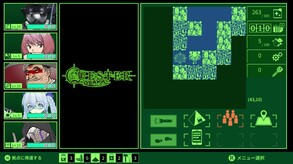
A dungeon exploration RPG specializing in hack-and-slash. The game is full of challenging elements. There are 32 characters (8 classes), skills to enjoy combos, modifiable armaments, "NEW GAME+" to enjoy playing around, etc.
Modeled estimate, not a reported figure. How we estimate →
About
Genres
Stats
Languages: Japanese, English
Engagement
Reviews
Themes across 40 recent reviews and how positive each mention is. A keyword signal, not full sentiment analysis.
Reviews
キャラクターを育成するのに適した場所 食料や資材といったリソースの収集に適した場所 金庫から繰り返し装備品が取得できる場所 これらを見極めつつ拠点を移動しながらダンジョンを探索し、敵を倒したり金庫から取得出来る装備品を収集して戦力強化していく といったいわゆるハクスラ系ダンジョンRPGとしての基本的な楽しさに関してはおおむね満足出来るレベルではあったのだけれども ただ装備品全収集を行うにあたって正直いただけないと強く感じた点がある。 ゲームのコンセプトからして非常に重要な要素であると考えられるため(実際、ゲーム内でもそれを行うよう誘導するような表示が行われている)、厳しい評価とさせていただいた。 一言で言えば「説明不足な上に混乱を招いただけの、装備収集にあたって重要であるパラメータ」である。 倒した敵の一覧が表示され、詳細を参照出来るクリーチャー図鑑。 そこから個々の敵を見て行くと、それぞれのレベルやHP、実行してくるアクション、ドロップ品の詳細が記載されているのだが、問題なのはドロップ品。 ドロップする頻度に応じて、C、UC、Rの表記があり、それぞれコモン、アンコモン、レアの略だと思われるのだがそれはいいとして、 例えばとある敵には以下のような記載がされている。 R :トレジャー(8) UC:トレジャー(6) C :トレジャー(4) さらに別の敵には以下のような記載がされている。 R :トレジャー(7) UC:食料(10) C :食料(2) このトレジャーというのはどうやら装備品の事らしいが、後ろに付与されているカッコで囲まれた数値について何の説明もない。 装備品の詳細を見てもレアリティは★の数で1~5で表現されているだけなのでこれらの数値との関連性もわからない。 そこで、いくつか仮説を立ててみた上で、最後のボスを倒した後に20時間ほどかけて装備品をコンプリートし、その過程でどの敵が何をドロップするかをメモした上で検証してみたのだが、結論としては ・トレジャーの後ろに付与されているカッコで囲まれた数値と、装備品のレアリティを表現する★の数との関連性は無い。 ・トレジャーの後ろに付与されているカッコで囲まれた数値が被らない敵を倒しても、同じ装備品をドロップする。すなわちこれは特定の装備品のグループを示す番号ではない。 となった。 クリーチャー図鑑にパラメータを説明なしで記載したのは「説明しないけど調べてみてね」という意図だと捉えたが、調べた結果ますます意味がわからず混乱を招いただけである。 こういうことをされると非常に強烈な理不尽さと不快感を感じざるを得ない。 アイテムコンプリートを目指すにあたり、どの敵がどういったものをドロップするかという情報が皆無なのにレベル帯ごとにドロップする装備が違うとなると非常に不毛なのでコンプリートを目指す意欲など最初から消え失せるので、そういった情報は必ず必要だとは思われるが、かと言ってここまで意味がわからないパラメータを用意してプレイヤーに調べさせた挙句意味不明すぎて混乱させるだけ、ではただ余計に悪いだけである。 次回作でもこのような意味不明な表記方法を続けるつもりなら、はっきり言ってアイテムコンプリートを目指したいとは思わない。 ゲームの内容としてアイテムコンプリートを重要な要素だと考えているのならば、もっと神経を使うべき箇所ではないか。 それともう一点 [spoiler]No.56のダブルノコギリマン[/spoiler]という敵のドロップ品において、R:トレジャー(8)という設定がされているようだが、コンプリートを目指す過程でこいつは装備品を一切ドロップしたことがなく、UCおよびCに設定されている資材しかドロップしなかった。 これはいくらなんでもおかしいのではないか。 他の敵はRにしかトレジャーが設定されていなくてもそこそこの頻度でドロップしている。 もし仮にこいつからドロップする限定の極めて有用な装備品があるとしても、これだけのプレイ時間をかけて全くドロップ無しという確率設定はオンラインゲームならまだしもスタンドアロンタイプのゲームとしてははっきり言ってあり得ない。 ところが、他にそれなりの頻度で出現する敵が、R:トレジャー(9)、UC:トレジャー(8)、C:トレジャー(7)となっていて被っているようなのでそういうわけでもない これならますます確率を絞る意味が無い。 結局コンプリート作業の過程で「もはやバグとしか思えない理由で全く装備をドロップしないこいつが出現するとただのハズレ」枠にしかなっていない。 こういったものも極めて強烈な不快感を誘発する要因となるのできちんと動作を精査するべき。 繰り返しになるが、次回作があるとするならばこれらの解消が確認されない限りはアイテムコンプリートを目指そうとは全く思えない。 他にも不満点を思い出したので追記 探索を行う仲間が増えるのはいいが、レベル上げが面倒過ぎて控えメンバーが活躍する機会がほとんどない。 同じクラスによっても持っているアビリティの違いで有利な方に入れ替える、といった遊びの幅も出来ただろうけど、あまりにも手間の割に合わない。 アクセサリの[spoiler]実況カメラ[/spoiler]があれば控えメンバーにも経験値が一部分配できるようだが、前作では複数個入手出来たのに今回は一周目でたまたま一個手に入れただけで、二周目ではそれを凍結品として入手することができたが、それっきり全く見ない。 まぁこれがあったとしても非常に面倒なのでここはもう少し他のメンバーも使いやすいようにして欲しいところ。 またこれと関係するのだけれども、控えメンバーに経験値がたまって一気にレベルアップさせるときにレベルを上げるかどうかの選択肢を1レベルごとに決定操作しなければならないのが非常に面倒。 スライドバーみたいなものを作って、上げられる分だけ任意の数だけレベルを上げる(そのとき、消費する資材の総量も同時に表示する)といった工夫が欲しい。 他には、前作のときも書いたのだけれども戦闘のテンポをもっと早くするような、ゲーム中で切り替えられるようなオプションが欲しい。 あとちょっとで敵を倒せるのに味方のバフ効果が延々と続いて攻撃開始を待たされるのは非常にもどかしい。 かと言っていちいちバフを切っていたら次の戦闘でまた選択しなおすのも非常に面倒。 通常の攻撃、特に範囲攻撃なんかも結構待たされる時間が長く感じる。 (たとえば、「泥棒の素早さの関係上その範囲攻撃2発が先に来るけれどその後の博士や自衛官による強力な砲撃で一掃できる」ような状況では、よほど泥棒の範囲攻撃を切ってしまいたいくらいだが、そうすると倒しきれない別の敵編成だとまた選択し直しの手間がかかる。) 古い別ゲームの例えを出すならば、メタルマックシリーズの高速戦闘(あくまで表示上だけではあるが、敵味方が一斉に行動してターンが一瞬で終わりる)ような形に切り替えられると、より快適になると期待できる。 オプション切り替えで思い出したのだけれども、これタイトル画面から設定できる各種オプション(サウンドのON/OFFなど)はタイトル画面まで戻らないと切り替えられない? 他のオンラインゲームでマッチング待機している間にプレイして、マッチング成立したらこっちのサウンド一旦OFFにしたいのだけれども、タイトルまで戻らなければならないのが非常に不便。 ついでにもう一点 ゲームを一旦終了するとパーティメンバー全員が必ず、それ以外でも装備を変更したパーティメンバーは戦闘開始時の行動が「全く未選択状態」になるのだが これを気付かずに開始してしまうことがしばしばある 何らかの警告を出せるようにして欲しい それにくわえて、選択したコマンドのセットを複数記憶して呼び出せるようにして欲しい 単体の強敵相手とか複数の雑魚相手にいちいちコマンドを切り替えるのは面倒
Media

Related
Related
Price dynamics, follower growth, revenue and sales trajectories with interactive tooltips
This and every other Pro feature is free until October 20, 2026. A free account is all it takes.
Hours played at review time, across 40 reviews with recorded playtime.
positive critical· bar length = how often the theme comes up
セールだったので軽い気持ちで購入したが、パーティが着実に強くなっていくので面白い。レトロすぎるビジュアルとやや不親切なシステムがとっつきにくいがプレイするうちに慣れるし、慣れたら面白くなる。きっちり探索してレベルを上げれば詰まることはない。 ただ、装備のUIが使いにくく面倒なため同じ装備を使いがちになることと、似たようなスキルが多いのでメンバーを変更するインセンティブがなかったのは残念。
It's the same game but I still enjoyed my time with it so if it's good it's good I guess.
This game feels like an extension to the original Quester aka more of the same (which is great). The addition of boats at first felt superficial, but after playing the entire game I feel like it does add to the exploration and difficulty by mixing things up (when you're on land sea creatures can't attack you and vice-versa). The difficulty ramps up compared to the first game, so I do recommend playing the first Quester to get a better hang of the game, as the start is much harder in my opinion compared to the first game, the difficulty decreases as soon as you're out of the first "area", but it comes back with a bang at the end. I might not have found them all, but I feel like some equipment was rebalanced to nerf the resistance to status ailment on your party, as well as some melee attacks will bounce off the enemy most of the times even at the highest level when you reach the end-game mobs. Overall it's a nice challenge for people familiarized with the first game, but might be a bit overwhelming for newcomers, so have that in mind if you plan on playing this one first.
Not sure why I never reviewed this game, but it's good! If you played the first Quester then this is moreso the same mechanics in a new scenario. A fun and unique autobattler rpg with a lot of variety in how you build up your team.
[h1]グラフィックなんてただの飾りです[/h1] と言わんばかりのレトロなダンジョンRPG ハクスラ要素もあって高難易度な内容。 前作QUESTERとほぼ同じ。違う点としては川をカヌーで渡れるようになった点と ちょっとした戦闘バランスの調整くらいかな? ただ前作から気になっていた点として、戦闘のスピードが3倍速でも遅く感じる点は相変わらず。 レトロな見た目なのだから、出来れば5倍速ぐらいはあるともっとサクサク遊べると思う。 全マップ探索してクリアするまで15時間程度。 次回作も期待したいです。
最高。続編期待してます!
스위치로 1회차 클리어 후기 장점: 재미있음 단점: 재미 외에 아무 것도 없음
QUESTER | OSAKA, developed and published by Thousand Games, refines and expands the formula established by its predecessor into something that feels more confident, broader in scope, and slightly more accommodating—without abandoning the punishing, systems-first design that defines the series. It remains a deeply niche experience, built for players who value careful planning and mechanical depth over presentation or narrative spectacle, but this installment does a better job of smoothing its edges while preserving its identity. The game’s setting shifts to a devastated version of Osaka, a city overtaken by environmental collapse and biological catastrophe, and this new location gives the world a stronger sense of place. While the storytelling still avoids traditional exposition-heavy methods, there is a clearer framing of the world and its dangers, making it easier to understand the stakes even without direct narrative guidance. The tone remains bleak and subdued, with the environment itself doing much of the storytelling. Crumbling urban remnants, hostile terrain, and the constant sense of decay create an atmosphere that feels oppressive without needing to be overtly dramatic. It’s a world that doesn’t ask for your attention—it demands your caution. Exploration continues to be built around grid-based movement, but QUESTER | OSAKA introduces more environmental variety and traversal mechanics that subtly change how players engage with the map. The addition of water-based navigation, for instance, alters the pacing and structure of exploration, forcing players to reconsider routes and resource management. These changes help break up the monotony that could sometimes affect the original, even if not every new element feels equally polished. Still, the overall effect is a more dynamic world that encourages adaptation rather than routine. Combat remains one of the game’s most distinctive features, operating on a system that emphasizes preparation over direct control. Players assign actions to their party members in advance, creating a flow of combat that plays out based on strategy rather than reflex. This approach can feel unusual at first, especially for those accustomed to more reactive turn-based systems, but it reveals a surprising level of depth once understood. Success depends heavily on how well you anticipate enemy behavior, manage resources, and construct your party. The expanded roster of characters and classes provides more opportunities for experimentation, allowing players to fine-tune their strategies and discover powerful combinations. Difficulty continues to be a central pillar, and the game does little to compromise on this front. Encounters are consistently demanding, and mistakes are often punished quickly. However, compared to the original, there is a slightly better sense of progression and balance, making the challenge feel more manageable without becoming forgiving. The game still expects players to learn through failure, but it provides just enough structure to make that process feel rewarding rather than discouraging. Over time, the systems begin to interlock in satisfying ways, and what initially feels overwhelming gradually becomes a test of mastery. Customization and progression systems are expanded in meaningful ways, giving players more tools to shape their approach. Equipment modification, skill synergy, and resource management all play crucial roles in determining success, and the added variety in this installment enhances replayability. Each playthrough can unfold differently depending on party composition and strategic choices, and features like New Game+ encourage players to revisit the experience with a deeper understanding of its mechanics. This emphasis on systemic replay value ensures that the game remains engaging long after the initial playthrough. Visually, the game maintains its minimalist presentation, favoring clarity and function over detail. While this continues to limit its appeal to a broader audience, it also reinforces the game’s focus on mechanics. The character and enemy designs carry a distinct artistic style that adds personality to an otherwise restrained visual approach, and the soundtrack complements the atmosphere with understated, retro-inspired compositions. It’s not a visually impressive game, but it is consistent in its aesthetic direction. There are still areas where the game shows its limitations. Repetition can creep in during extended sessions, particularly in dungeon layouts and encounter patterns, and the lack of strong character-driven storytelling may leave some players wanting more emotional engagement. However, these aspects feel like deliberate trade-offs rather than oversights, as the game clearly prioritizes depth and challenge over narrative complexity. Ultimately, QUESTER | OSAKA is a refined continuation that strengthens the core ideas of the original while expanding its possibilities. It doesn’t attempt to broaden its appeal significantly, instead doubling down on what it does best: delivering a demanding, methodical RPG experience that rewards patience and strategic thinking. For players who appreciate classic dungeon crawlers and are willing to invest time in mastering its systems, it offers a deeply satisfying and long-lasting experience. Rating: 8/10
More of the same, and that same is excellent. There is now navigation by boat, which you can only enter and exit via special tiles. I actually got stumped on my first run because the path to the final section was via boat and I missed the one tile wide 'channel opening' just barely. Still, the game is incredibly sauced and puts the right kind of pressure on you as a player to keep switching out strategies.
Selling now
See how fast this game is selling right now — estimated copies and revenue per day from recent review growth.
Players by region
Where this game's players are, estimated from review languages.
Related
| Game | Estimated lifetime revenue | Reviews | Review score | Price |
|---|---|---|---|---|
| — | 198 | 89% | — | |
| $5.5K | 29 | 100% | $7.99 | |
| $141.3K | 331 | 82% | $9.96 | |
| $53.6K | 225 | 90% | $7.49 | |
| $30.5K | 59 | 86% | $17.49 | |
| $11.5K | 44 | 91% | $9.80 |