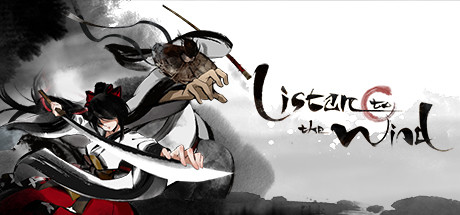
"Listen to the Wind" is a side-scrolling hack-and-slash game with counter attacks as the game's core mechanic. It takes pace during the Ming dynasty Jiajing era where you'll be battling Japanese pirates. It features unique martial art heroes and a story branching gameplay.
Modeled estimate, not a reported figure. How we estimate →
Discounts
Every price cut of more than 20% we have observed, in each market that quoted one, with this game's chart position on either side of it. These are episodes, not a model: a sale is one event, and one event cannot tell you what the next one will do.
Reviews, worldwide (the counter carries no country): 0/day in the week to Jul 24 → 0/day in the week after.
For scale, across Steam · Top Sellers · Brazil over the last 30 days: the 26 chart moves that followed a price cut of more than 20% went a median of 7 places towards #1, and the 2,400 moves with no price cut behind them went 2 away. One store, one chart, one country — it is the only place we have enough observations to say even that.
Prices outside the United States have been collected since 6 August 2026 and chart positions since 19 July 2026, so a cut older than that has no market to compare and a market that joined later has no history yet. Nothing here is converted between currencies.

About


Engagement
Reviews
Themes across 46 recent reviews and how positive each mention is. A keyword signal, not full sentiment analysis.
Reviews
动作设计太简陋,难度要求却有点高
垃圾引导,而且格挡和弹开判定也很奇怪,重点说一下这个弹开,有些弹得了有些弹不了,怎么回事啊?还有游戏明显没有做完,这种东西也敢出来卖?
Listen to the Wind is an indie side-scrolling action title that blends methodical martial arts combat with historical drama and personal choice, offering an experience that feels contemplative as much as it is violent. Developed by Papertiger Studio and published by Gamirror Games, the game is set during the Jiajing era of the Ming dynasty, a period marked by political decay, internal corruption, and constant threats from coastal pirate forces. Rather than using this backdrop purely as window dressing, the game actively weaves historical tension into its narrative and character arcs, grounding its swordplay in a world shaped by duty, survival, and moral compromise. At the heart of the experience is its combat system, which distinguishes itself by emphasizing patience and precision over aggression. Battles unfold in a side-scrolling format, but instead of encouraging frantic button-mashing, the game rewards players who carefully observe enemy behavior and time their responses. Parries and counters play a central role, turning combat into a rhythm-based exchange where reading intent is often more important than raw speed. When executed well, encounters feel deliberate and tense, capturing the sensation of a duel rather than a chaotic brawl. However, this design choice also means that combat can feel punishing early on, as mistakes are costly and success depends on learning patterns rather than improvisation. The narrative structure of Listen to the Wind is surprisingly ambitious for its scope. The story follows a martial artist whose past and present collide amid the chaos of coastal conflict, and player choices influence not only moment-to-moment interactions but also the broader direction of the story. Historical figures inspired by real people appear throughout the game, blending documented history with fictionalized drama in a way that evokes classic wuxia storytelling. Decisions regarding loyalty, resistance, and withdrawal from conflict lead to branching storylines and multiple endings, giving weight to player agency and encouraging replay for those interested in seeing alternate outcomes. Visually, the game adopts an illustrated aesthetic that draws from traditional Chinese art styles, including brushwork and ink-inspired compositions. Cutscenes often resemble storyboards or graphic novel panels, reinforcing the feeling that the player is stepping through a living martial legend rather than a purely mechanical action game. While the animation and environmental detail can feel modest compared to more polished modern titles, the art direction carries a strong sense of identity. It prioritizes atmosphere and cultural tone over spectacle, which suits the reflective mood the game often aims for. Between combat encounters, the game occasionally slows down to offer quieter moments that flesh out the world. One such feature is a light cooking system that allows players to prepare meals using a variety of ingredients. While this mechanic is not deeply complex, it serves as a thematic counterbalance to the violence, highlighting everyday life and tradition amid ongoing turmoil. These interludes help humanize the setting and reinforce the idea that the protagonist exists within a living culture, not just a battlefield. The pacing of Listen to the Wind can feel uneven, oscillating between intense combat sequences and slower narrative stretches. For some players, this rhythm enhances immersion, allowing time to reflect on events and choices. For others, it may feel disjointed, especially when technical issues or unclear objectives interrupt the flow. Reports of performance hiccups, occasional bugs, and uneven localization suggest that the game’s execution does not always fully support its ambition, which can detract from the experience depending on platform and player tolerance for rough edges. Despite these shortcomings, the game’s strengths lie in its sincerity and focus. It does not attempt to overwhelm with sprawling systems or constant spectacle, instead choosing to explore a specific moment in history through restrained combat and morally driven storytelling. The parry-focused mechanics, branching narrative paths, and culturally rooted presentation combine to create an experience that feels personal and thoughtful, even when it stumbles in polish. Ultimately, Listen to the Wind is best appreciated as a character-driven historical action game rather than a pure hack-and-slash power fantasy. Players seeking fast, forgiving combat or highly refined mechanics may find it demanding or rough around the edges. Those drawn to deliberate swordplay, historical atmosphere, and stories shaped by choice will likely find it rewarding, especially if they appreciate games that prioritize mood and meaning over constant escalation. It stands as a passionate indie project that, while imperfect, succeeds in delivering a distinct voice and a memorable journey shaped as much by restraint as by the blade. Rating: 7/10
Media

Related
Related
Price dynamics, follower growth, revenue and sales trajectories with interactive tooltips
This and every other Pro feature is free until October 20, 2026. A free account is all it takes.
Genres
Stats
All-time low is the lowest price we've recorded for this game since we started tracking it.
Languages: Simplified Chinese, English
Hours played at review time, across 46 reviews with recorded playtime.
positive critical· bar length = how often the theme comes up
鱼龙刺枪众是真尼玛的傻逼
冲画风买的,故事模式通关,前后摇非常长,出刀又非常快,导致节奏手感非常难把控。
美术很不错,弹反成功还挺爽
挺好的
快慢刀,手感稀烂,按键延迟
非常考验按键时机的游戏,剧情和画面很有国风特色
怎么说呢,相当微妙的打铁小游戏,敌人有很多不合理的蓄力招式,“你猜我蓄多久力”.JPG,敌人很多攻击留给玩家反应的时间非常非常短,蓄蓄蓄蓄蓄蓄蓄蓄啪,导致很多时候其实就是在背板,背boss的蓄力时间,还有为什么街机模式放第一个,打了几个小时boss连战才发现不对劲跑去打故事模式了,然后故事模式可选难度其实一定程度上稀释了上面的问题,总体上来说,还算能玩的打铁小游戏吧。
Selling now
See how fast this game is selling right now — estimated copies and revenue per day from recent review growth.
Players by region
Where this game's players are, estimated from review languages.
Related
| Game | Estimated lifetime revenue | Reviews | Review score | Price |
|---|---|---|---|---|
| — | 0 | — | — | |
| $1.2M | 4.4K | 94% | $19.99 | |
| — | 0 | — | — | |
| $296.4K | 899 | 89% | $19.99 | |
| $30.1K | 163 | 86% | $9.49 | |
| $16.9K | 55 | 75% | $19.99 |
Related
| Game | Estimated lifetime revenue | Reviews | Review score | Price |
|---|---|---|---|---|
| $92.6K | 196 | 85% | $14.99 | |
| $92.6K | 781 | 73% | $4.99 | |
| $92.6K | 235 | 75% | $14.99 | |
| $92.7K | 179 | 93% | $12.99 | |
| $92.7K | 355 | 90% | $10.99 | |
| $92.7K | 154 | 96% | $19.99 |