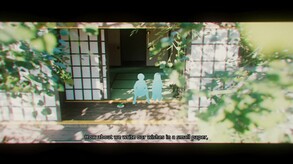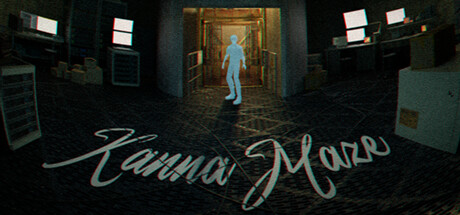
In an isolated lab beneath the earth, a childhood friend is resurrected. Amidst sealed walls, a spree of killings unfolds. In a godless abyss, parallel worlds entwine like a maze. Where does one find the path to the sole universe of bliss?
Modeled estimate, not a reported figure. How we estimate →
Prices
The United States storefront in every case, so this compares stores and not countries.
Discounts
Every price cut of more than 20% we have observed, in each market that quoted one, with this game's chart position on either side of it. These are episodes, not a model: a sale is one event, and one event cannot tell you what the next one will do.

Reviews, worldwide (the counter carries no country): 0.29/day in the week to Aug 10 → 0.14/day in the week after.
For scale, across Steam · Top Sellers · Brazil over the last 30 days: the 26 chart moves that followed a price cut of more than 20% went a median of 7 places towards #1, and the 2,400 moves with no price cut behind them went 2 away. One store, one chart, one country — it is the only place we have enough observations to say even that.
Prices outside the United States have been collected since 6 August 2026 and chart positions since 19 July 2026, so a cut older than that has no market to compare and a market that joined later has no history yet. Nothing here is converted between currencies.
About


Sums Steam only; Nintendo publishes no volume signal, so the true total is higher by an unknown amount.
| Store | Price | Audience | Score | Chart | Est. revenue |
|---|---|---|---|---|---|
SteamYou are here | $3.99 | 391reviews | 89% | — | $25.7K |
| $2.39−40% | — | — | — | not modelled |
Matched by title — a reused name can pair the wrong games. * is a critic aggregate. Prices and positions are each store's United States storefront; Epic charts worldwide. Audience and Score too, except Steam's, which is worldwide.
Engagement
Reviews
Themes across 49 recent reviews and how positive each mention is. A keyword signal, not full sentiment analysis.
positive critical· bar length = how often the theme comes up
Reviews
优秀!后劲十足的作品
悔しいけど、まあまあだったかな。フルボイスなので価格から見たらおすすめかも。 エセ科学物は好きなので、はじめはそのノリでゲームを進めてましたが、エセ科学の深さやストーリーの必然性は正直ザツです。またストーリーの分岐でフローチャートを使うことに気づくまでは冗長で退屈でした。フローチャートを使って分岐に戻っても、冗長に感じると思います。かなりの分岐つぶしてイライラしないとエンディングにたどり着けないようになってます。ただ、真のエンディングは、ネタバレは言えませんが、ハッピーないいエンディングでした。
[h2]見た目はかまいたちの夜だが中身は別物。 ホラーではなくSFミステリーノベル。 展開が目まぐるしく後半になるにつれ面白くなる、おすすめ。 11時間程度で全ルートコンプリート。[/h2] [h3]どんなゲーム?[/h3] [b]重大なネタバレ[/b]になるが、一言でまとめると↓ [spoiler]デスループもの+相対性理論SF[/spoiler]の推理ノベルゲーム。 [h3]GOOD[/h3] ストーリーチャートの使い勝手の良さ([b]最高![/b]) 安い価格に対し完成度が高く、ボイス付き 資料として施設内の画像があり、理解しやすい [h3]BAD[/h3] [spoiler]霜月の仇[/spoiler]は結局誰だった? 理屈が難しく理解し切れない部分があった
Media

Related
Related
Price dynamics, follower growth, revenue and sales trajectories with interactive tooltips
This and every other Pro feature is free until October 20, 2026. A free account is all it takes.
Genres
Stats
All-time low is the lowest price we've recorded for this game since we started tracking it.
Languages: English, Japanese*, Simplified Chinese, Traditional Chinese*languages with full audio support
Hours played at review time, across 49 reviews with recorded playtime.
文章の書き方に癖があって若干読みづらいが先の展開が気になる構成はよかった。 主人公の一人称が「私」というのには終始違和感を覚えた。 そのため本家かまいたちの夜にもあるように突拍子のない選択肢も用意されているのだが、一人称の違和感もあってなんともいえない気持ち悪さを感じた。 後半の展開は賛否両論あるとは思うが全体としては楽しんでプレイできた。
短小精悍的科幻题材视觉小说,典中典的观察者效应。 游戏中人物没有具体立绘,但是却使用了灰模来展示人物外形和部分剧情中的动作,很取巧的做法。 不管什么时候霜月总是会帮上忙,霜月真的靠谱啊。 喜欢相关题材的可以尝试一下。
個人的にはオススメできないけど、SF的な話や設定が好きならば良い作品なのかも? エンディングまで行ったけど、話についていけず微妙でした。 序盤はかまいたちの夜っぽさがあって面白そうだったんだけど、暗黒物質がどうとかの話が始まった時点で、なんか思ってたのと違うな、と感じた。 結局何が何だか理解しきれなかったけど、一応キレイに終わってたっぽいので、そういう世界観の話が好きな人なら、安いし良いのでは。
神
Kanna Maze is a narrative-driven visual novel that leans heavily into atmosphere, ambiguity, and the slow unraveling of a tightly wound mystery. Developed and published by 致意, the game places the player in the role of a drifting protagonist whose life has stalled after repeated failures, only to be pulled into something far stranger and more unsettling than an ordinary job opportunity. What begins as a desperate attempt to regain stability quickly transforms into a labyrinth of memories, scientific experiments, and emotional contradictions, all framed through a story that is intentionally fragmented and meant to be pieced together over time. The narrative hook is introduced early and with quiet confidence. After taking a part-time job at a secluded research facility, the protagonist encounters someone who should not exist: a childhood friend believed to have died many years earlier. This single moment sets the tone for the entire experience, as the game steadily blurs the line between past and present, reality and reconstruction. Rather than providing clear answers, Kanna Maze relies on repetition, subtle variations, and carefully placed revelations to build tension. Each scene feels deliberate, often withholding context just long enough to make the player question not only what is happening, but why events seem to loop, distort, or contradict previous information. Gameplay is firmly rooted in classic visual novel structure, with reading and choice-making forming the core interaction. Decisions branch the narrative in meaningful ways, leading to multiple endings that reveal different facets of the story. No single route provides a complete picture on its own, encouraging repeated playthroughs and experimentation with alternative choices. This structure reinforces the game’s central metaphor of a maze, where understanding only comes from exploring dead ends as well as apparent paths forward. Tools such as jump functions and progress tracking make revisiting earlier decisions more convenient, helping the player focus on discovery rather than repetition fatigue. Kanna Maze’s presentation complements its narrative ambitions with a restrained but effective style. Character artwork and backgrounds favor mood over spectacle, often using subdued color palettes and minimalist composition to emphasize isolation and unease. Full voice acting adds emotional texture to conversations, grounding the more abstract elements of the plot in human expression. The soundtrack is understated but purposeful, often fading into the background just enough to heighten tension without drawing attention to itself. Together, these elements create an experience that feels introspective and slightly oppressive, mirroring the psychological state of both the protagonist and the environment he inhabits. One of the game’s strengths lies in its thematic focus on memory, identity, and the consequences of unresolved regret. Rather than presenting its science-fiction concepts as purely technical ideas, Kanna Maze uses them as tools to explore emotional stagnation and the fear of being trapped by past choices. The research facility and its experiments feel less like a traditional sci-fi setting and more like a physical manifestation of the protagonist’s internal conflicts. While some explanations remain intentionally vague, this ambiguity serves the story’s tone, allowing players to interpret events through both literal and symbolic lenses. That said, the game’s commitment to mystery and repetition may not appeal to everyone. Its pacing is slow, and its reliance on multiple endings means that players seeking immediate clarity or fast narrative payoff may find the experience demanding. Character development is often subtle rather than explicit, requiring attention to small changes in dialogue and context to fully appreciate. For players willing to engage on those terms, however, the reward is a story that feels cohesive precisely because it resists easy answers. In the end, Kanna Maze is a thoughtful and ambitious visual novel that prioritizes mood, structure, and thematic depth over straightforward storytelling. It invites players to become active participants in its narrative, not by mastering systems, but by observing patterns, questioning assumptions, and embracing uncertainty. As a piece of indie storytelling, it stands as a compelling example of how minimal mechanics and strong narrative intent can combine to create an experience that lingers long after the final ending is reached. Rating: 8/10
Best
good
Players by region
Where this game's players are, estimated from review languages.
Related
| Game | Estimated lifetime revenue | Reviews | Review score | Price |
|---|---|---|---|---|
| $42.4K | 437 | 79% | $8.00 | |
| — | 0 | — | — | |
| $19K | 125 | 88% | $8.99 | |
| $2.2K | 30 | 80% | $3.99 | |
| $309 | 3 | 100% | $5.00 | |
| $136 | 4 | 50% | $0.99 |
Related
| Game | Estimated lifetime revenue | Reviews | Review score | Price |
|---|---|---|---|---|
| $25.7K | 203 | 83% | $5.99 | |
| $25.7K | 96 | 77% | $7.49 | |
| $25.7K | 603 | 58% | $2.69 | |
| $25.7K | 127 | 94% | $9.99 | |
| $25.7K | 159 | 95% | $4.99 | |
| $25.7K | 271 | 79% | $4.99 |