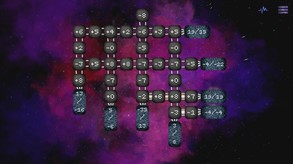
Energy Balance is a number puzzle. You have to swap power units in such a way that their sums form correct chains both vertically and horizontally. The game is easy to learn, but very hard to master. So, are you ready to peep under the hood of an alien spaceship?
Modeled estimate, not a reported figure. How we estimate →
Discounts
Every price cut of more than 20% we have observed, in each market that quoted one, with this game's chart position on either side of it. These are episodes, not a model: a sale is one event, and one event cannot tell you what the next one will do.
Reviews, worldwide (the counter carries no country): 0/day in the week to Aug 24 → 0/day in the week after.
About
Stats
All-time low is the lowest price we've recorded for this game since we started tracking it.
Sums Steam only; PlayStation, Nintendo publish no volume signal, so the true total is higher by an unknown amount.
| Store | Price | Audience | Score | Chart | Est. revenue |
|---|---|---|---|---|---|
SteamYou are here | $2.99 | 324reviews | 68% | — | $16.4K |
| $1.04−65% | 140ratings | 67% | — | not modelled | |
Engagement
Reviews
Themes across 40 recent reviews and how positive each mention is. A keyword signal, not full sentiment analysis.
Reviews
░░░░░░░░░░░████ ░░░░░░░░░░░█░░█ ░░░░░░░░░░█░░░█ ░░░░░░░░░█░░░░█ ██████▄▄█░░░░░███▄ ▓▓▓▓▓█░░░░░░░░░░░░█ ▓▓▓▓▓█░░░░░░░░░░░░█ ▓▓▓▓▓█░░░░░░░░░░░░█ ▓▓▓▓▓█░░░░░░░░░░░░█ ▓▓▓▓▓█░░░░░░░░░░░░█ ▓▓▓▓▓█░░░░░░░░░░░ ░░░░░░░░░░░░▀▀
Después de pasarme el juego sigo sin saber porqué el desarrollador le puso lo de “energy” en el nombre si por ningún sitio aparece nada relacionado con la energía… Energy Balance es un juego de resolución de puzles matemáticos traducido a nueve idiomas -incluido el español- desarrollado por la empresa Sometimes You que salió a la venta en julio de 2015. Literalmente el juego consiste en la resolución de problemas básicos de álgebra. Ni más ni menos. Al principio del todo hay una pequeña pseudohistoria de presentación de los puzles pero que no tiene mucho sentido. Somos un gato humanoide que viaja por el espacio y la nave se estropea -¿puede ser por eso lo de la energía?- y la forma de arreglar la nave es resolver los tableros matemáticos que nos van apareciendo. Los “rompecabezas” son realmente simples. En general el juego. Originalmente el juego solo salió para PC, pero posteriormente salió también a la venta para PS4, PS Vita y Nintendo Switch pero a mí me parece más bien que está diseñado para jugar en una tablet ya que solo hay que seleccionar y poner el número. Como podéis comprobar en las imágenes (que es donde mejor se aprecia) nos muestran un tablero con una serie de cuadrados en blanco y números alineados, y hay que ingresar/modificar el símbolo matemático para que la ecuación sea la correcta. Veamos un ejemplo: Nos aparece en pantalla algo como esto 2 _ 3 _ 4 = 14. Tú podrías poner 2+3x4=14. En vez de ir escribiendo los operándoos y los números, solo vamos a ir intercambiando los operándoos entre ellos hasta que las filas y las columnas son correctas. Esto es para añadirle un pelín más de dificultad al juego. No es muy original, pero bueno, también hay juegos sobre sudokus que no son originales pero no pasa nada, entretienen. El juego se divide en 3 partes. El modo historia que son 12 niveles. El modo hardcode con 4 niveles intensos y finalmente 4 niveles de bonificación. En total hay 20 “pantallas”. Vamos a ver los diferentes modos detenidamente. Modo historia: La dificultad es bastante baja (al menos para mí), la única dificultad es no liarte a la hora de ir intercambiando los números, los cálculos son obvios. Modo hardcore: Más que aumentar la dificultad lo que aumenta es la complejidad del maestro. No tiene mucha más dificultad a nivel matemático que el modo historia, la dificultad reside en la enorme cantidad de permutaciones posibles que ofrece. De un vistazo ya sabes lo que tienes que hacer, pero los pasos hasta llegar a organizar todo te puedes eternizar, sobre todo al final cuando ya tienes casi todo colocado y para mover una pieza te toca desarmar el resto. Incluso hay gente que ha creado programas para simplificar esto y que te indican la forma más rápida de mover. Modo bonificación: Según te lo presentan parece un modo aun más “complicado” que el hardcore, pero resultó ser bastante simple. Tardé menos de 15 minutos en hacer los 4 niveles. El “modo de bonificación” ofrece niveles "cuadrados", de 3, 4, 5 y luego 6 filas/columnas, cada una de las cuales requiere una suma específica. Conclusión personal. No veo ninguna razón lógica para que la gente compre este juego. El tema y la historia son raídos, no son atractivos ni interesantes y tienen muy poco sentido. Muchas de las opciones de diseño en el juego van en contra de la intuición. Que puede que esté diseñado así adrede, pero choca bastante. La música que al principio parece interesante, se acaba volviendo irritante y te distrae, no pega con el tipo de juego que no solo no relaja para que puedas pensar mejor, sino que te altera Lo peor de todo es que la jugabilidad no es divertida. Muchos otros juegos que ofrecen puzles matemáticos llegan a ser divertidos por el esfuerzo y la satisfacción cuando lo sacas, pero las limitaciones de la mecánica del juego hacen que sean más difíciles de resolver de lo que deberían ser, y no hay dinamismo para hacer que tus habilidades para resolver matemáticas parezcan recompensadas o divertidas. No llega a ser un juego que requiera de pensar pasa sacarlo, ya sabes desde el principio lo que tienes que hacer, solo pierdes el tiempo moviendo las piezas.
Media

Related
Related
Price dynamics, follower growth, revenue and sales trajectories with interactive tooltips
This and every other Pro feature is free until October 20, 2026. A free account is all it takes.
For scale, across Steam · Top Sellers · Brazil over the last 30 days: the 26 chart moves that followed a price cut of more than 20% went a median of 7 places towards #1, and the 2,400 moves with no price cut behind them went 2 away. One store, one chart, one country — it is the only place we have enough observations to say even that.
Prices outside the United States have been collected since 6 August 2026 and chart positions since 19 July 2026, so a cut older than that has no market to compare and a market that joined later has no history yet. Nothing here is converted between currencies.
Languages: English, Russian, Polish, Turkish, Spanish - Spain, French, Italian, Czech, German
| $2.99 |
| — |
| — |
| — |
| not modelled |
Matched by title — a reused name can pair the wrong games. * is a critic aggregate. Prices and positions are each store's United States storefront; Epic charts worldwide. Audience and Score too, except Steam's, which is worldwide.
Hours played at review time, across 40 reviews with recorded playtime.
positive critical· bar length = how often the theme comes up
...
meh
有卡 有成就 没中文 能量平衡 在一次任务中,你的飞船遭遇未知异常,所有系统全部失灵。你必须平衡能量,让设备重新运转,才能平安返航。 《能量平衡》是一款数字解谜游戏。你需要交换能量单元,使它们的和在横向与纵向都形成正确的序列。游戏上手简单,精通却十分困难。你准备好探秘这艘外星飞船的内部机制了吗?
Energy Balance, developed and published by Sometimes You, is a minimalist puzzle game that uses numbers, patterns, and logic to create a meditative yet mentally taxing experience. At first glance, it looks simple: a grid filled with numbers and equations that need to be balanced both horizontally and vertically. But beneath that apparent simplicity lies a system that demands patience, precision, and a willingness to experiment. The game is wrapped in a light sci-fi premise—a spaceship has lost power due to an anomaly, and you, the player, must restore its systems by solving a series of mathematical puzzles. It’s a narrative framework that exists mostly to give the gameplay context, but its sparse storytelling helps set the mood for what is essentially a cerebral exercise in equilibrium and order. The central mechanic of Energy Balance revolves around swapping and arranging numeric tiles so that each row and column adds up to its designated sum. On paper, it sounds like Sudoku meets algebra, but the game’s design quickly reveals a unique identity. The puzzles start small, allowing players to grasp the fundamentals of balancing equations across multiple directions. However, as new layers are introduced—negative numbers, larger grids, and interconnected rows—the difficulty ramps up dramatically. Each move you make affects multiple calculations at once, forcing you to think several steps ahead. Solving a puzzle requires both analytical thinking and intuition; it’s a test of pattern recognition as much as arithmetic skill. What makes the gameplay particularly satisfying is the moment of realization when a seemingly chaotic board falls perfectly into place, rewarding persistence and careful reasoning. Energy Balance’s presentation matches its minimalist spirit. The interface is clean and functional, with a futuristic aesthetic that complements its space setting. The numbers are clearly visible, the grid layout is uncluttered, and the background visuals are subtle enough not to distract from the mental focus required. The sound design is equally understated but effective. Ambient electronic music hums softly in the background, lending the game an almost meditative atmosphere. The soundtrack plays a vital role in maintaining the rhythm of the experience, keeping you engaged without breaking concentration. It’s the kind of game that encourages a quiet, focused mindset—something to be played slowly, almost contemplatively, as you immerse yourself in the logic of numbers. Despite its clean execution, Energy Balance can be unforgiving. The learning curve is steep, and the lack of tutorials or hint systems means players must figure out the logic largely on their own. Early puzzles teach through trial and error, and later ones can become intimidating in their complexity. Some players may find the challenge invigorating, while others may grow frustrated by the lack of assistance when stuck. Because each puzzle can have multiple layers of interdependence, even a single misplaced number can throw off an entire grid, forcing you to retrace your steps carefully. It’s a game that rewards patience and logical precision, but it’s also one that punishes guesswork. The absence of hand-holding contributes to its old-school charm—it treats its players as intelligent problem-solvers rather than guiding them every step of the way. The narrative element in Energy Balance is minimal, but it adds flavor to the experience. Between puzzles, short interludes depict your ship’s situation, hinting at isolation, malfunction, and the eerie silence of deep space. While these moments don’t form a coherent story, they provide a sense of progression and atmosphere, reminding you that your logic puzzles serve a purpose beyond abstraction. The tone is quiet and introspective, much like the gameplay itself. Rather than building tension or drama, the story reinforces the game’s meditative mood, giving context to your actions without demanding emotional investment. In many ways, the sparse storytelling mirrors the design philosophy of the game—precise, functional, and stripped of excess. What makes Energy Balance distinctive within the puzzle genre is its purity of design. There are no flashy effects, no distractions, and no unnecessary gimmicks. It’s a game that trusts its mechanics to engage players. Each puzzle feels handcrafted to challenge logical reasoning and mathematical intuition, and the sense of accomplishment when you finally solve a complex grid is undeniable. The repetition of the core loop—balancing equations, observing patterns, adjusting variables—creates a hypnotic rhythm that can be surprisingly soothing. At the same time, the mental strain of more advanced puzzles ensures that the game never becomes mindless. It’s a careful balance between tension and relaxation, precision and chaos, and that balance is what keeps the experience compelling. Energy Balance is ultimately a niche title, but one that knows exactly what it wants to be. It’s a game for players who take pleasure in untangling complex systems and solving puzzles through logic rather than luck. Its minimalist design, atmospheric presentation, and challenging mechanics make it a quiet standout among number-based puzzle games. While it can be daunting for newcomers and occasionally opaque in its logic, it rewards persistence with genuine satisfaction. It’s less about speed or spectacle and more about immersion in pure thought—about finding beauty in balance, both mathematical and mental. For those who enjoy methodical problem-solving and a calm, introspective gaming experience, Energy Balance delivers a rare kind of intellectual serenity that few modern puzzle games attempt to achieve. Rating: 6/10
☀️
Ist schon etwas weird das Spiel und nicht einfach, aber irgendwie musste ich immer weiter spielen. Ist okay.
Trash game ——来自小黑盒用户slideshowp的评价
:)
Selling now
See how fast this game is selling right now — estimated copies and revenue per day from recent review growth.
Active players
Estimated daily and monthly active players (DAU/MAU) modeled from peak concurrency.
Players by region
Where this game's players are, estimated from review languages.
Related
| Game | Estimated lifetime revenue | Reviews | Review score | Price |
|---|---|---|---|---|
| $33M | 226.9K | 95% | $5.99 | |
| $26.4M | 52.8K | 93% | $19.99 | |
| $8.1M | 40.8K | 93% | $7.99 | |
| $22.4M | 72.9K | 97% | $14.99 | |
| $17.6M | 62.1K | 92% | $12.49 | |
| $19.7M | 96.4K | 96% | $14.99 |
Related
| Game | Estimated lifetime revenue | Reviews | Review score | Price |
|---|---|---|---|---|
| $16.4K | 132 | 86% | $6.99 | |
| $16.4K | 81 | 63% | $6.99 | |
| $16.4K | 79 | 72% | $12.99 | |
| $16.4K | 66 | 97% | $19.99 | |
| $16.4K | 122 | 89% | $4.99 | |
| $16.4K | 144 | 93% | $4.99 |