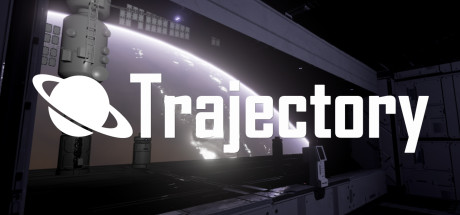
Trajectory
Trajectory is a first person scifi adventure game that takes place in Earth's orbit, with a dystopian yet whimsical setting. The game has multiple endings and a variety of exotic locations in space and beyond.
Estimated lifetime revenueLow confidence
$1.3Kgross
$398low → high range$4K
Net to developer$884
Modeled estimate, not a reported figure. How we estimate →
Est. copies sold
684
mid estimate
About
About the game
Trajectory is a first person scifi adventure game that takes place in Earth's orbit, with a dystopian yet whimsical setting. The game has multiple endings and a variety of exotic locations.
Gameplay
In Trajectory, the player assumes the role of an inmate of undisclosed background who is completing the last few days of their sentence aboard a prison vessel that is owned by a clandestine, quasi-governmental agency called Orbitek.
During each playthrough, the player experiences the last few days of the prisoner's sentence in orbit. The prisoner performs his daily routines onboard the vessel and follows the orders of an Orbitek warden given through an intercom. That is of course, if you choose to follow them. The missions vary greatly from general maintenance tasks to daring and valorous exploits! In between them, the player can explore the inmate module he is trapped in. The game has many varying endings and with each playthrough, the experience differs.
Setting
Trajectory's universe is futuristic, yet anachronistic. Floppy disks are still in use, flight trajectories are displayed in ascii graphics and text adventure mini games abound. The game is humorous in tone, but has a solid, consistent atmosphere and a background story which can be sought out through exploration and collectibles like lost journal entries or computer logs.
It is up to the player to determine how his sentence will end and explore a number of exotic locations on earth, in orbit, and even beyond!
Features
Inmate, only few days remain. Be sure to spend them wisely!
Gameplay
In Trajectory, the player assumes the role of an inmate of undisclosed background who is completing the last few days of their sentence aboard a prison vessel that is owned by a clandestine, quasi-governmental agency called Orbitek.
During each playthrough, the player experiences the last few days of the prisoner's sentence in orbit. The prisoner performs his daily routines onboard the vessel and follows the orders of an Orbitek warden given through an intercom. That is of course, if you choose to follow them. The missions vary greatly from general maintenance tasks to daring and valorous exploits! In between them, the player can explore the inmate module he is trapped in. The game has many varying endings and with each playthrough, the experience differs.
Setting
Trajectory's universe is futuristic, yet anachronistic. Floppy disks are still in use, flight trajectories are displayed in ascii graphics and text adventure mini games abound. The game is humorous in tone, but has a solid, consistent atmosphere and a background story which can be sought out through exploration and collectibles like lost journal entries or computer logs.
It is up to the player to determine how his sentence will end and explore a number of exotic locations on earth, in orbit, and even beyond!
Features
- Several exotic locations to visit in orbit, virtual reality, Earth and beyond
- Several different endings
- Varying playthroughs
- Dystopian yet whimsical setting
- VR HMD support
Inmate, only few days remain. Be sure to spend them wisely!