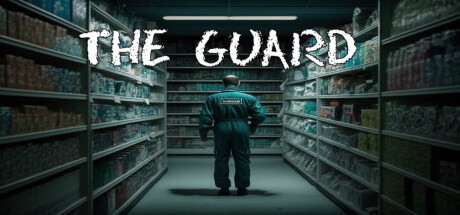
The Guard is a compact indie horror experience built around one simple concept: a night-shift security job that goes very wrong, very quickly. Developed and published by STuNT, the game drops you into a dimly lit shopping mall after hours, where you’re filling in for your missing partner. From the moment the shift begins, the environment feels uneasy. The mall is quiet in a way that shouldn’t be, lights flicker, and the absent colleague you were supposed to relieve is nowhere to be found. Instead of confronting monsters or frantic chases, the game uses this emptiness as its primary source of dread, letting the player’s imagination fill in the gaps as you search for keys, unlock doors, and piece together what might have happened.
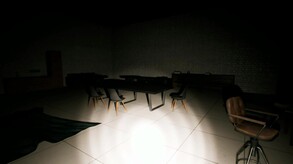
Visually, the game leans on the strength of its setting rather than flashy effects. The mall is rendered with enough detail to feel believable, with dark corridors, shuttered storefronts, and maintenance rooms that hint at a once-bustling place now eerily frozen in time. This ordinary setting amplifies the fear because it feels so grounded; the player recognizes the space and understands how wrong it feels in its current state. Much of the tension comes from how light is used: your flashlight is both a comfort and a liability, as its limited battery forces you to move slowly and deliberately, rationing every second of brightness. The constant threat of being plunged into darkness enhances the atmosphere and creates a sense of vulnerability that persists throughout the experience.
The gameplay structure is intentionally simple, providing only the tools necessary for exploration and environmental interaction. You pick up objects, inspect rooms, and manage flashlight batteries while trying to unlock new areas of the mall. This minimalism allows the focus to remain on mood and pacing rather than mechanical complexity. Because there are no weapons, combat, or sophisticated AI systems, your primary opponent is tension itself. Each creak, each distant noise, and each shadow that shifts at the edge of your vision becomes something to fear. The progression relies heavily on your willingness to immerse yourself in the unease and slow build-up rather than expecting constant jumpscares or action sequences.
As the night deepens, the psychological element becomes more prominent. The Guard plays on the discomfort of isolation, leaving you to wonder what happened to your partner and whether something is stalking you or if the environment is simply playing tricks on your mind. The game’s best moments occur in its quiet spaces — when the halls feel too empty, when a sudden noise breaks the silence, or when a locked door hints that a key may be sitting somewhere in the dark. The experience becomes a blend of scavenger hunt and atmospheric descent, with the environment providing just enough clues to keep you moving while maintaining a steady undercurrent of dread.
Being a small indie project, The Guard is not without its limitations. Some players may find the simplicity too restrictive, especially if they prefer horror games with deeper mechanics or more elaborate storytelling. The mall, while effective in atmosphere, lacks variety after prolonged exploration, and once the layout becomes familiar, the sense of danger can diminish. Technical rough edges — such as stiff animations, occasional clipping issues, or lighting quirks — can momentarily break immersion, reminding you of the game’s modest production scale. The narrative also remains deliberately vague, which works for those who enjoy ambiguity but may feel unsatisfying to players seeking a more concrete explanation for the horrors implied within the mall.
Despite these shortcomings, The Guard succeeds as a focused, mood-driven horror title. It doesn’t try to overwhelm the player with content; instead, it aims to deliver a tense, unnerving atmosphere within a short experience. The reliance on environmental storytelling, subtle audio cues, and the vulnerability created by a limited flashlight makes it ideal for players who appreciate slow-burn horror. It captures the feeling of being alone in a place that should feel familiar but somehow feels profoundly wrong — a sensation that lingers even after the game ends.
In the end, The Guard is a reminder that horror doesn’t always require elaborate monsters or complex systems to be effective. Sometimes all it takes is darkness, silence, and the unsettling possibility that someone — or something — might be watching from the end of a hallway. For players who enjoy compact, atmospheric horror that prioritizes mood over spectacle, The Guard offers a quietly chilling experience worth stepping into after sundown.
Rating: 6/10