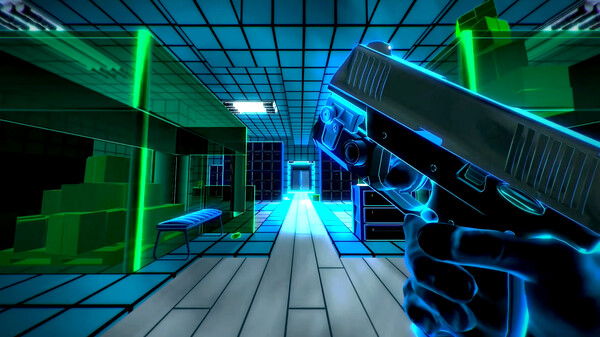
ROOT is a cyber espionage themed hardcore stealth FPS that lets you play it how you want: whether creeping along corridors undetected or bursting into rooms to blow away all adversaries. Cyber terrorism is a dangerous profession, and risks have real consequences.
Modeled estimate, not a reported figure. How we estimate →
Discounts
Every price cut of more than 20% we have observed, in each market that quoted one, with this game's chart position on either side of it. These are episodes, not a model: a sale is one event, and one event cannot tell you what the next one will do.
Reviews, worldwide (the counter carries no country): 0/day in the week to Aug 3 → 0.43/day in the week after.
For scale, across Steam · Top Sellers · Brazil over the last 30 days: the 26 chart moves that followed a price cut of more than 20% went a median of 7 places towards #1, and the 2,400 moves with no price cut behind them went 2 away. One store, one chart, one country — it is the only place we have enough observations to say even that.
Prices outside the United States have been collected since 6 August 2026 and chart positions since 19 July 2026, so a cut older than that has no market to compare and a market that joined later has no history yet. Nothing here is converted between currencies.

About

Add-ons
Each DLC is estimated with the same model as a game, then summed — a modeled figure, not reported DLC sales.
Engagement
Reviews
Themes across 44 recent reviews and how positive each mention is. A keyword signal, not full sentiment analysis.
Reviews
☀️
I found this game, just ok. I didn't really have much fun in the end, but I also didn't completely hate what I went through. It was kind of dull, but still had some cool moments and I did want to get to the end. ROOT is basically a stealth focused FPS with very tight maze like levels.You can also try to play aggressive if you want but prepare for enemies to rush you down. If you play stealth, the main way to get through the game is sneaking up on enemies and smacking them on the back of there neck. You do have guns which can help in more isolated areas, but will attract enemies from other rooms potentially. There's basically a pistol and a shotgun, and they are also kind of weak, but I think that's ok since the stealth is the focus here. You can also kick enemies, throw objects as distractions, and holler to attract enemies. For a stealth game, the enemy AI and level design are pretty lacking. All enemies have pretty straight forward walking paths. When you distract them or get caught they immediately go to the location, spin around a bit to check their surroundings, and then teleport back to their patrol path. If they detect you they stand in place and attack you (or they keep chasing you for some enemies) and if you run far enough, they lose you and teleport back. The lack of gadgets or interesting environmental interactions really makes these interactions kind of uninteresting. Distracting enemies also feels kind of pointless because of the teleporting aspect which makes it hard to take advantage of it. So most of my gameplay was waiting to see enemy paths, and whack them in the back if I see the opening for it. Sometimes I also just rushed past using the dodge move to get to the elevator or a vent and tanked damage since that could be faster then slowly sneaking or waiting for an opening. I will say that there is some cool enemy variety such as the robots that don't see you if you stay still, a scary headless ghost enemy that's really hard to run from and a mimic enemy. There's also 2 unique bosses (first one is repeated another time), which are not stealth based at all and feel like dark souls bosses, but they were honestly kind of lame with you having to let them try to attack so you dodge them and then shoot them during this opening and repeat. The level design is really lacking here. you basically have rooms with enemies patrolling separated by doors you can use to peak. Sometimes there are vents you can freely move through and that's kind of it. Your goal is basically, get to the elevator and sometimes you need to get enough clearance levels or keys to get to the end. Sometimes these feel randomly placed so you're just kind of trying to run around the level randomly until you know where all the things are. Because of this I would mostly play carelessly at first just to get an idea of where everything I need is and what enemies would be in my path. Then I actually used stealth knowing generally where to go. You don't have much health and enemies are pretty spongy so knowing where to go makes it easier not to get caught. Due to the hacker theme, all levels look the same basically; blue office spaces with green and white things you can pick up and lots of boxes sometimes (technically you can stack these to climb up places but the levels don't have interesting designs where that really comes up overall). Some levels feel basically like trial and error runs and since this is a stealth game, some times it really sucked having to repeat certain aspects of a level where I'm just waiting. That being said the levels are pretty short so it's mostly not a big deal. I think the lack of interactivity is what mostly hurts this game. Stealth games are fun because you can manipulate AI in all sorts of wacky ways to solve problems, but you don't really have much you can do here other then sneak by, knock out, kill or distract. The most you get is the enemy variety, but they don't really fundamentally change the gameplay much for stealth. I can see this game being kind of cool for the kind of person who likes a simple predictable game that you can try to optimize, such as finding the optimal path for beating a level, and maybe trying things like no kill runs. I did also like I can speed around using the side dash move. So overall, it's a competent game with all the basic elements needed for a stealth fps, but lacking in fun factor.
Media

Related
Related
Price dynamics, follower growth, revenue and sales trajectories with interactive tooltips
This and every other Pro feature is free until October 20, 2026. A free account is all it takes.
Genres
Stats
All-time low is the lowest price we've recorded for this game since we started tracking it.
Languages: English
Hours played at review time, across 45 reviews with recorded playtime.
positive critical· bar length = how often the theme comes up
ancestor of trepang 2
有卡 有成就 没中文 《ROOT》 扮演专业黑客 Edward Summerton,穿上那双廉价的乐福鞋,卷起袖子,竖起衣领,煮上一壶咖啡——因为今天你要攻破一家神秘而强大的企业网络。 《ROOT》是一款以网络间谍活动为主题的硬核潜行 FPS 游戏,你可以按照自己的喜好来玩:或悄无声息地穿梭于走廊,或直接冲进房间扫清一切敌人。网络恐怖主义是一项危险的职业,风险会带来真实的后果。所受的伤害无法恢复,哪怕最微小的失误也会危及你进入下一关的机会。 在这场企业密码间谍战中,你将面对许多敌对的程序,但你最危险的敌人是设计它们的人——系统管理员。他从零构建了整个系统,在网络中掌握着巨大的权力。他会动用手中无穷的资源来阻止你实现目标:获得系统的最高 ROOT 权限。 特色 /// 精准枪械 /// 你的准星就是一个点。没有准星扩散,没有命中范围,没有花招。枪弹打在你光标所指的位置。 /// 真实潜行 /// 没有“蹲下即隐形”。你必须放轻脚步,仔细检查每个角落。 /// BOSS战 /// 准备好迎接每关末尾的硬仗。只有真正危险的敌人,击败后才会有满足感。 /// 可交互环境 /// 物体可以被移动、射击、击碎、拾起和投掷。 /// 抽象视觉 /// 计算机内部的景象超乎你的想象。 /// 老派理念 /// 这是一款游戏,不是电影。你掌控自己所有的行动。没有 QTE,没有冗长的动画过场。 /// 略带诙谐的对话 [开/关] /// 听你的同伴 SHELL 漫无边际地谈论各种事情——这些内容可能与主线剧情有关,也可能无关。不想听它说什么?在选项菜单中关掉对话即可。
░░░░░░░░░░░████ ░░░░░░░░░░░█░░█ ░░░░░░░░░░█░░░█ ░░░░░░░░░█░░░░█ ██████▄▄█░░░░░███▄ ▓▓▓▓▓█░░░░░░░░░░░░█ ▓▓▓▓▓█░░░░░░░░░░░░█ ▓▓▓▓▓█░░░░░░░░░░░░█ ▓▓▓▓▓█░░░░░░░░░░░░█ ▓▓▓▓▓█░░░░░░░░░░░░█ ▓▓▓▓▓█░░░░░░░░░░░ ░░░░░░░░░░░░▀▀
💋
A nice, quick stealth FPS. Simple and well made. Good music.
Jawohl, mit Taktik vorgehen... absolut nicht meins.
ROOT is a first-person shooter with a strong cyberpunk identity that approaches digital espionage in a more physical and action-oriented way than the usual hacking game. Developed and published by Skunkape Interactive, the game places players in the role of Edward Summerton, an accomplished hacker attempting to penetrate a heavily protected corporate network. Instead of presenting this operation through terminals and programming interfaces, ROOT transforms the computer system into a strange three-dimensional environment that can be explored like a hostile facility. Programs become enemies, security systems become physical obstacles, and gaining ROOT access serves as the ultimate objective. One of the game's most interesting qualities is the balance between stealth and direct combat. Players are not forced into one particular style throughout the campaign. Moving carefully, observing enemy positions, checking corners, and avoiding unnecessary confrontations can preserve valuable health and resources. When subtlety fails or an aggressive approach seems preferable, firearms provide another solution. This freedom makes individual encounters more interesting because the decision to fight has consequences beyond simply clearing the current room. Health management is especially important because ROOT does not constantly erase the consequences of poor performance. Damage can remain relevant as players continue through a level, making careless firefights increasingly dangerous. A few unnecessary hits early on can turn later encounters into much more stressful situations. This system gives stealth a practical purpose rather than making it an optional novelty. Avoiding enemies is not simply about earning a better score or satisfying a particular playstyle; it can significantly improve the player's chances of surviving what comes afterward. The shooting mechanics complement this unforgiving structure through an emphasis on accuracy. Weapons are designed around straightforward aiming rather than excessive artificial spread. If the crosshair is positioned correctly, the game expects the shot to behave accordingly. This gives gunfights a refreshingly direct quality and makes successful attacks feel connected to the player's own precision. At the same time, accurate weapons do not automatically make ROOT easy. Enemy pressure, limited tolerance for damage, positioning, and the danger of being caught in exposed areas ensure that good aim is only one part of surviving. Stealth follows a similarly demanding philosophy. Crouching is not treated as a magical state that makes Edward effectively invisible. Players need to pay attention to their surroundings and understand how they are approaching potentially dangerous spaces. Peeking around corners and determining where threats are located becomes essential. This makes infiltration slower and more deliberate than simply moving between predetermined hiding places. When a stealth attempt collapses, combat can provide an escape, but surviving that mistake may leave the player in worse condition for the next challenge. Environmental interaction helps make ROOT's digital spaces feel less static. Various objects can be manipulated, picked up, thrown, damaged, or shot. Although these features do not transform the game into a full-scale immersive simulation, they add welcome physicality to environments that could otherwise feel like abstract shooting arenas. The unusual computer-network premise also gives Skunkape Interactive considerable freedom in level presentation. Because these locations represent a digital system rather than ordinary buildings, strange architecture and artificial-looking environments fit naturally into the fiction. ROOT also adopts a distinctly old-school attitude toward storytelling. The game avoids relying heavily on lengthy cinematic sequences or quick-time events, keeping control in the player's hands for most of the experience. Edward's mission still has narrative context, particularly through his attempt to obtain complete access to the System and his conflict with its powerful Systems Administrator, but the plot exists primarily to support the action. Players who prefer shooters that emphasize participation over cinematic interruption should appreciate this approach. Edward is accompanied by SHELL, whose dialogue supplies additional personality and humor during the journey. Interestingly, the game allows this dialogue to be disabled. That small feature reflects ROOT's player-focused philosophy particularly well. Anyone interested in the banter can leave it active, while players who want a quieter and more mechanically focused experience can remove it. The humor prevents the cyber-espionage premise from becoming excessively serious and gives the otherwise abstract digital world some character. Boss encounters add another challenge at important points in the campaign. These fights fit naturally with the game's demanding health system because reaching a boss in poor condition can make an already difficult battle considerably harder. Consequently, performance throughout a level matters. Players are encouraged to think about conserving health and avoiding unnecessary risks instead of treating ordinary encounters as completely isolated battles. This creates continuity between exploration, stealth, regular combat, and the larger confrontations waiting ahead. Visually, ROOT benefits more from its concept than from attempting graphical realism. Its digital environment permits intentionally artificial spaces, unusual geometry, and a futuristic atmosphere that suits the cyberpunk premise. The presentation reinforces the idea that Edward is navigating a representation of a computer network rather than infiltrating a conventional office or military installation. This abstraction gives the game a recognizable personality even when its technical presentation reflects the smaller scale of an independent production. The experience is ultimately aimed at players who enjoy shooters with consequences. ROOT does not appear interested in constantly protecting the player from mistakes. Its combination of persistent damage, careful stealth, accurate shooting, environmental interaction, challenging encounters, and limited cinematic interruption demands greater concentration than a casual run-and-gun shooter. This can occasionally make the experience feel harsh, especially when an earlier mistake creates problems much later, but that tension is also fundamental to what gives the game its character. ROOT is not a massive production filled with elaborate progression systems or cinematic spectacle, but its smaller scope allows it to maintain a clear identity. The idea of physically infiltrating a corporate computer network provides an imaginative foundation for familiar FPS mechanics, while the relationship between stealth and combat gives those mechanics meaningful context. Players who appreciate cyberpunk settings, challenging first-person action, deliberate infiltration, and old-school design principles are likely to get the most from it. Those expecting generous recovery systems or a heavily cinematic narrative may find it comparatively unforgiving. Overall, ROOT succeeds because its different systems reinforce the same philosophy: the player should remain in control, actions should have consequences, and overcoming danger should depend primarily on awareness and skill. The digital-world setting gives the game enough personality to distinguish it from conventional independent shooters, while its combination of stealth and accurate gunplay provides flexibility without eliminating difficulty. It is rougher and more modest than larger genre productions, but its commitment to its ideas makes it an intriguing cyberpunk FPS for players willing to accept its demanding nature. Rating: 7/10
yeeeah no the graphics are unique but combat is too clunky
Players by region
Where this game's players are, estimated from review languages.
Related
| Game | Estimated lifetime revenue | Reviews | Review score | Price |
|---|---|---|---|---|
| $2.5M | 42.3K | 76% | $2.99 | |
| $1.3M | 30K | 92% | $1.99 | |
| $11M | 13.9K | 85% | $29.99 | |
| $1.6M | 18.4K | 87% | $3.74 | |
| $148.6K | 4.7K | 37% | $1.49 | |
| $158.3K | 500 | 80% | $14.99 |
Related
| Game | Estimated lifetime revenue | Reviews | Review score | Price |
|---|---|---|---|---|
| $22.7K | 193 | 93% | $4.99 | |
| $22.7K | 403 | 92% | $3.99 | |
| $22.7K | 101 | 72% | $7.99 | |
| $22.7K | 90 | 28% | $9.99 | |
| $22.7K | 270 | 84% | $4.99 | |
| $22.7K | 120 | 74% | $9.99 |