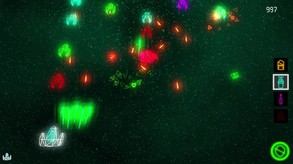
Break through unlimited waves of enemies and fight unpredictable bosses!
Modeled estimate, not a reported figure. How we estimate →
Discounts
Every price cut of more than 20% we have observed, in each market that quoted one, with this game's chart position on either side of it. These are episodes, not a model: a sale is one event, and one event cannot tell you what the next one will do.
Reviews, worldwide (the counter carries no country): 0/day in the week to Jul 26 → 0/day in the week after.
For scale, across Steam · Top Sellers · Brazil over the last 30 days: the 26 chart moves that followed a price cut of more than 20% went a median of 7 places towards #1, and the 2,400 moves with no price cut behind them went 2 away. One store, one chart, one country — it is the only place we have enough observations to say even that.
Prices outside the United States have been collected since 6 August 2026 and chart positions since 19 July 2026, so a cut older than that has no market to compare and a market that joined later has no history yet. Nothing here is converted between currencies.
About


Genres
Engagement
Reviews
Themes across 42 recent reviews and how positive each mention is. A keyword signal, not full sentiment analysis.
Reviews
Kart kasmak için uygun, rahatça kâr edebileceğiniz bir oyun. bunun gibi hesabımda 200+ oyun var incelemek isterseniz. - 𝐏𝐨𝐥𝐚𝐫
Reseña de Polygon Attack Polygon Attack es un juego arcade sencillo inspirado en shooters clásicos de estilo retro y geometría minimalista. Aunque no intenta competir con títulos más grandes del género, logra ofrecer una experiencia rápida y entretenida para partidas casuales. El gameplay se basa principalmente en sobrevivir oleadas de enemigos geométricos mientras disparas constantemente y esquivas ataques en escenarios llenos de figuras y efectos visuales simples. Uno de los puntos positivos es justamente su accesibilidad. Las mecánicas son fáciles de entender y permiten comenzar a jugar inmediatamente sin tutoriales complejos. El ritmo rápido de las partidas funciona bastante bien para sesiones cortas y casuales, especialmente para quienes disfrutan juegos arcade enfocados en reflejos y puntuaciones altas. Visualmente el juego apuesta por una estética minimalista basada en polígonos, luces y colores brillantes. Aunque simple, el estilo logra darle cierta personalidad retro futurista. La música electrónica y efectos de sonido ayudan bastante a mantener energía constante durante las partidas. El sistema de puntuaciones y supervivencia también agrega algo de rejugabilidad para jugadores competitivos que buscan superar récords. Sin embargo, Polygon Attack tiene varias limitaciones importantes. El contenido es bastante reducido y después de un tiempo el gameplay puede sentirse repetitivo debido a la falta de variedad real en enemigos o modos de juego. Las mecánicas tampoco evolucionan demasiado conforme avanzas, haciendo que gran parte de la experiencia se sienta muy similar desde el inicio hasta el final. Además, visualmente puede resultar demasiado básico para algunos jugadores acostumbrados a shooters arcade más elaborados. La falta de profundidad o progresión importante también afecta bastante la duración del interés. Aun así, Polygon Attack sigue funcionando como un pequeño arcade entretenido para quienes buscan acción rápida, simple y centrada en reflejos. Calificación: 6.5/10
Media

Related
Related
Price dynamics, follower growth, revenue and sales trajectories with interactive tooltips
This and every other Pro feature is free until October 20, 2026. A free account is all it takes.
Stats
All-time low is the lowest price we've recorded for this game since we started tracking it.
Languages: English
Hours played at review time, across 42 reviews with recorded playtime.
positive critical· bar length = how often the theme comes up
Отличная игра, достижения просто выполняемые, есть карточки, стоит копейки, что еще надо.
Nettes kleines Spiel für kleines Geld :)
Polygon Attack, developed and published by Magnolia Art, is an indie top-down shooter that pays homage to the simplicity and immediacy of classic arcade games. At its core, it embraces the old-school spirit of one-versus-many survival: the player commands a small craft surrounded by endless waves of geometric enemies in a world built entirely out of minimalist shapes and sharp colors. The story, such as it is, positions the player as humanity’s last line of defense against alien invaders, but in truth, narrative is secondary to the raw kinetic pleasure of dodging bullets and annihilating targets. Polygon Attack is about rhythm and reaction, not exposition, and it presents its world with stripped-down precision to focus entirely on the pulse of combat. The visual design is deliberately minimalist, using simple polygons and vector-style outlines to create a strikingly clean aesthetic that recalls the earliest days of arcade gaming. The ships, bullets, and explosions are composed of colorful geometric forms that glow vividly against the dark void of space. This contrast gives the game a distinct personality while keeping visual noise to a minimum, allowing the player to process the chaos of battle more easily than in more complex shooters. Despite its simplicity, the game achieves a certain elegance: the clear shapes and saturated colors make every movement readable, and the rhythmic interplay of light and motion contributes to a hypnotic atmosphere. However, the minimalist presentation can also work against it—after a few stages, the environments begin to blend together, and the lack of texture or variety can leave the player longing for more visual progression. The sound design follows a similar philosophy: functional but understated. Laser shots and explosions punctuate the silence effectively, but they lack the depth or impact that might give each weapon its own identity. The soundtrack, built around looping electronic patterns, provides energy but not much distinction, blending into the background after extended play sessions. Gameplay in Polygon Attack follows the familiar structure of wave-based shooters. Each stage throws increasingly aggressive formations of enemies at the player, testing reflexes and spatial awareness. The ship moves smoothly in any direction, firing streams of projectiles to destroy targets before they crowd the screen. What distinguishes Polygon Attack is its weapon customization and upgrade system. As enemies fall, they drop power-ups and equipment that can be collected to modify your weapons, shields, and support systems. The player can choose between a range of offensive and defensive options—rapid-fire blasters, piercing lasers, shield boosters, and more—and mix them to create different playstyles. This layer of strategic decision-making adds replayability to what might otherwise be a straightforward shooter. The shield system, in particular, introduces a measured rhythm to combat; knowing when to absorb damage or when to risk aggression becomes essential, especially in later stages where enemy patterns become dense and unpredictable. The difficulty curve begins gently, allowing players to acclimate to the controls and pacing, but it ramps up steadily as the game progresses. Early waves are manageable, composed of simple enemies that move in predictable patterns. Later levels, however, introduce faster projectiles, erratic formations, and boss encounters that fill the screen with overlapping bullet spreads. The game rewards precision and situational awareness, punishing players who rely too heavily on brute force. Because death comes swiftly and power-ups are lost when you fail, survival demands consistent focus. Yet for all its escalating intensity, Polygon Attack is not overwhelmingly difficult; its challenge lies in endurance rather than sheer mechanical complexity. It does not reach the frenetic heights of hardcore bullet-hell shooters, opting instead for a more accessible rhythm that casual and experienced players alike can enjoy. This balance between accessibility and challenge helps sustain engagement through repeated runs, even if the lack of variety in enemy design occasionally dulls the excitement. A key part of Polygon Attack’s appeal lies in its responsiveness. The controls feel immediate, whether using a mouse or controller, and the movement of the ship is fluid enough to allow for precise dodging in tight spaces. This precision ensures that failure rarely feels unfair—when you die, it is almost always the result of a misjudged movement rather than clunky mechanics. The interface is clean, with no unnecessary clutter or interruptions between stages, reinforcing the game’s focus on uninterrupted action. The frame rate remains stable, even during chaotic moments filled with projectiles and explosions, which is crucial for maintaining the rhythm of play. The overall experience is one of clarity and momentum, where you are always just a few seconds away from the next wave, the next score milestone, or the next upgrade. However, despite its strengths, Polygon Attack struggles to sustain its initial energy over the long term. Once you’ve seen its enemy patterns and maxed out your preferred weapon configuration, repetition begins to set in. The game’s structural simplicity—its greatest strength—also becomes its main weakness. There are no major surprises after the first few waves, no new mechanics to shake up the rhythm, and no environmental twists to recontextualize the gameplay. The difficulty escalates, but the experience remains largely static. This is not necessarily a flaw for players who approach it as a short-form arcade challenge, but it limits its appeal as a lasting experience. The weapon balance also leans unevenly; some weapons, particularly the laser upgrades, dominate the meta and make other choices feel obsolete once discovered. While the inclusion of shields and ally support adds some tactical depth, these features cannot fully offset the predictability that sets in during extended play sessions. On a technical level, Polygon Attack runs flawlessly. It loads quickly, uses minimal resources, and offers smooth performance across modern systems. It also supports achievements and cloud saving, small touches that enhance its replay value for completionists. For a game sold at a low price, it delivers a polished and competent package. It is not ambitious in scope, but it never overreaches, staying true to its identity as a focused, arcade-style shooter built around tight controls and instant gratification. Its charm lies in its restraint: it delivers exactly what it promises and nothing more. Ultimately, Polygon Attack is a modest but enjoyable entry in the shoot-’em-up genre. It captures the pulse of retro arcade gameplay with clean visuals, responsive mechanics, and a steady difficulty curve that invites repeated play. It lacks the flair and creativity of the genre’s more memorable standouts, but it succeeds in offering a short, satisfying burst of action for players who enjoy simple but finely tuned design. There are moments when the repetition dulls its edge, but for those who crave quick, intense sessions of dodging and destruction, Polygon Attack delivers an experience that honors the past while maintaining modern smoothness. It is not a masterpiece, but it is a well-made and honest arcade shooter—one that knows exactly what it is and executes that vision with precision and style. Rating: 8/10
├├├├├├░├░├├├░├├├├├├├├├├├├├├├├├├├├├░├░├├├░├░ ├├├├├├├├├░├░├░├├├░├├├├├├├░├├├├├░├├├├├├├├├├├ ├├├├├├├├├├├├├├├├├├├├██░├├├├├░├├├├├├├├├├├░├├ ├├├├├├├├├├├├├├├├├░├████░├├├├├░├├├├├░├├├├├░├ ├├├├├├├├├├├├├├├├├├██░░██├├├├├├░├├├├├├├├├░├├ ├├├├├├├├├├├├├├├├├██░░░░██├├├├├├░├├├├├├├░├├├ ░├├├├├├├├├├├├├├├░█░░░█░░█░├├░├├├├├├├├├├├├├░ ├├├├├├├├├├├├├├├░██░████░██├├├├├├├├├├├░├├├├├ ├├├├├├░├├├├├├├├░█░░█├├░█░██├├├├├├├├├├├├├├├░ ├├├├├░├├├├├░├├├██░█├├├├██░█├├├├├├├├├├├├├├├├ ├├├├├├├├├├├├├├░█░██├███├█░██├├├├░├░├├├├├├├░ ├├├├├├├├├├├├├├██░████████░██├├├├├├├├├├├├├├├ ├├├├░├├├░├├├├├█░░░██░░░██░░█░├├├░├░├├├├├├├├ ├├├░├├├├├░├░├██░░░░░░░░█░░░██├├├├├├├├░├├├├├ ├├├├├├├├├├├├├██░░░░░░░░░░░░██├├├├├├├├├├├├├░ ├├├├├░├├├├├├├█░░░░░░░░░░░░░██├├├├├├├├├├├├├├ ├├├├├├├├├├├├░█░░░░░░░░░░░░░░█░├├├├├├├├├├░├░ ├├├├├├├├├░├├░█░░░░░░░░░░░░░░█░├├├├├├├├├├├├├ ├├├├├├├├├├├├██░░░░░░░░░░░░░░██├├├├░├░├░├░├├ ├├├├├├├░├├├├██░░░░░░░░░░░░░░██├├├├├├├├├░├├├ ░├├├├├├├├├├├██░░░░░░░░░░░░░░██░├░├├├░├├├░├░ ├├├├├░├├├├├├██░░░░░░░░░░░░░░██░├├░├░├├├├├├├ ├├├├├├├├├├├├████░░░░░░░░░██████├├├├├░├░├├├├ ├├├├░█├├├░├████████████████████░├├├████░├├├ ├├├░███░├├├██████████████████░██├├██░░██░├├ ├░├██░██├├██░████████████████░░████░░░░██░├ ├├██░░░████░░█░░░░░░░░░░░░░░█░░░███░░░░░██░ ├├██░░░░██░░░██░░░░░░░░░░░░██░░░██░░░░░██░├ ░├██░░░░██░░░██░░░░░░░░░░░░██░░░██░░░░██├├├ ├├░██░░░░██░░██░░░░░░░░░░░░██░░░██░░░██├├├├ ├├░░██░░░██░░░█░░░░░░░░░░░░██░░░█░░░██├├├├├ ├├├├░██░░░█░░░██░░░░░░░░░░░█░░░██░░██░├├├├├ ├├├├├██░░░██░░██░░░░░░░░░░███░░██░░██├░├├├├ ├├├░├├██░░███████░░░░░░░░░███████░██├├├░├░├ ├├├├├├├██░░█░░├░███████████├├├├█░░█░├├├├├├├ ├├├├├├├█████├░├├███████████├├├├████├├├├├├░├ ░├├├├├░├████░├├├░█████████├├├├░████├├├├├├├├ ├├├├├├├├████├├├├├░░░░█░░░├├├├├├░██░├├├├├├├├ ├├├├├├├├├██├░├├├├├├├├█░├░├├├├├├├█░├├├├├├├├├ ├░├├├├├░├░█░├├├├├├├░├█░░├├├├├├├├█░├├├├├├├░├ ├├├├├├├├├░█├░├├├├├├├├█░├├├├├├├├├██├├░├├├├├├ ├├├├├├├░├░█░├├├├├├├├├██├├░├├├├├├██├├├░├░├░├ ░├├├░├├├├├█░░├├├├├├├├██├├├├├├├├├██├├├├├├├├├ ├░├├├├├░├├█░├░├├├├├░├██├├├├├├├├░██├├├░├├├├├ ░├░├├├├├░├█░├├├├├├░├├██├├├├├├├├├██├├├├├├├├├ ├░├├├├├├├├█░├░├├├░├├├██├├├├├├├├░██├├├├├├├├├ ├├├├├├├├├├█░├├├├├├├├├██├├├░├├├├├██├├├├├├░├├ ├├├├├├├├├├██├░├├├├├├├██├├░├├├├├├██├├├├├├├├├ ├├├├├├├├├├██├├├├├├├├░██├├├├├├├├├██├├├├├├├├├ ├├├├├├├░├├██├├├├├├├├├██├├░├░├░├├██├├├├├├├├├ ├├├├├├░├├├█░├├░├├├├├░███├├░├├├├░██├├░├├├├├├ ├├├├├├├├├├█░├├├░░├├░██░██├├├├├██░██░├├├░├├├ ░├├├├├├├███░├├░██░├██├├├██├├░██░├├███├├├├├├ ├░├├├├├██░░████├░███░░├├██░├█░├├├├├░█░├├├├├ ░├░├├░██░├├█░██├├██░├├├├├░███├├├░├░├████░├├ ├├├░███░├├├├├├├├├├├░├├├├├░├░░├├░├├├├░░░██├├ ├├░██├├├├├░├░├░├├├├├├├├├├├░├├├├├├├├├├├├├█░├ ├├██├├├├├├├░├├├├├├├├├░├├├░├├├├├├├├├├├├├├█░├ ░├██├├├├├├├├├├├├├├├├├├├├├├├├├├├├├├├├├░░██├├ ├░██├├░├├├├├├├├░├├├├├├├├├├├░├├├├├├├├├███├░░ ├├├████░├├├├├├█░├├├├├├├├├├├░├├├├█░├├░█░├├░░ ├├├├░├██├├├░████├░├░░├├░█├├██├├░██████├├├├├ ├├├├├├├██████░├███░██├├██████████├██░├├├├├├ ├░├├├├├├░██░├░├├░███████░░░├├░██├├├░├░├░├├├ ├├├├├├├├├├├├├├├├├├├├├├░├├├├├├├├├░├├├├├░├├├├
Достойно, графика классная
The pacing is brutally slow, but otherwise it's a fun shmup. It's not Galaga, but the chill vibe here was nice all the same.
very fair difficulty and doesn't have to be beaten in one continuous play.
нет
Players by region
Where this game's players are, estimated from review languages.
Related
| Game | Estimated lifetime revenue | Reviews | Review score | Price |
|---|---|---|---|---|
| $11.7K | 97 | 86% | $4.99 | |
| $11.7K | 113 | 83% | $2.99 | |
| $11.7K | 52 | 75% | $5.99 | |
| $11.7K | 172 | 95% | $3.99 | |
| $11.7K | 67 | 79% | $8.99 | |
| $11.7K | 335 | 85% | $1.99 |
Related
| Game | Estimated lifetime revenue | Reviews | Review score | Price |
|---|---|---|---|---|
| $45.1K | 423 | 82% | $4.99 | |
| $4.5K | 59 | 81% | $3.99 | |
| $2.9K |
| 42 |
| 74% |
| $2.99 |
| $16.6K | 156 | 51% | $4.99 |
| $654 | 13 | 100% | $2.49 |
| $837 | 15 | 87% | $2.99 |