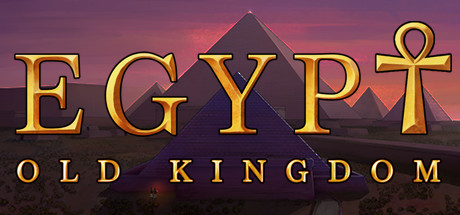
Strategy simulator of the Great Pyramids period, where you take your path from the unification of Egyptian tribes to the foundation of The First Empire. Developed with the assistance of Egyptologists.
Modeled estimate, not a reported figure. How we estimate →
Prices
The United States storefront in every case, so this compares stores and not countries.
Discounts
Every price cut of more than 20% we have observed, in each market that quoted one, with this game's chart position on either side of it. These are episodes, not a model: a sale is one event, and one event cannot tell you what the next one will do.
Reviews, worldwide (the counter carries no country): 0/day in the week to Aug 27 → 0.29/day in the week after.
For scale, across Steam · Top Sellers · Brazil over the last 30 days: the 25 chart moves that followed a price cut of more than 20% went a median of 10 places towards #1, and the 2,413 moves with no price cut behind them went 2 away. One store, one chart, one country — it is the only place we have enough observations to say even that.
Prices outside the United States have been collected since 6 August 2026 and chart positions since 19 July 2026, so a cut older than that has no market to compare and a market that joined later has no history yet. Nothing here is converted between currencies.
About
Genres
Sums Steam only; GOG publishes no volume signal, so the true total is higher by an unknown amount.
| Store | Price | Audience | Score | Chart | Est. revenue |
|---|---|---|---|---|---|
SteamYou are here | $14.99 | 1.3Kreviews | 87% | — | $599.7K |
| $3.89−74% | 88ratings | 78% | — | not modelled |
Matched by title — a reused name can pair the wrong games. * is a critic aggregate. Prices and positions are each store's United States storefront; Epic charts worldwide. Audience and Score too, except Steam's, which is worldwide.
Engagement
Reviews
Themes across 53 recent reviews and how positive each mention is. A keyword signal, not full sentiment analysis.
Reviews
以前玩这游戏觉得很震撼,而现在玩只觉得很不安,因为它太真实了,真实到仿佛能在今天经济大衰退的环境下,让我看到自己将会在乱世里饿死的未来…… 毕竟这游戏里的古埃及上层,上层穷奢极欲造陵墓横征暴敛从而导致民怨沸腾且地方势力抬头,并且对自己造成的问题也只会一味责怪鬼神作祟而不去听听民众饥肠里的咕噜声,哪怕末期大崩溃也还不忘这种奢侈的鬼神工程,仿佛只要金字塔一建好就能立即除灭那些所谓的邪神赛特一样,并且明明一个个的都挥霍无度没停过却还好意思自称英明廉洁给自己贴金,而现实里的那些大人物们却也是这样有过之而无不及的…… 总之这游戏给我带来的感觉真的很微妙,一边深感古埃及亡得不冤,却又一边心疼那些跟自己一样处境受苦受难的底层人,只希望自己未来不要饿死吧……
I didn't really like this game that much. Came from predynastic egypt expecting an experience that'd be something like that, if different. My main issue in this game is that it's extremely linear; You have hardly any control over what happens in the game. As an example, the unification of egypt simply happens, without any input on your end of any sort. In essence, this turns the whole game into resource production tycoon, which is not what I came for.
Media

Related
Related
Price dynamics, follower growth, revenue and sales trajectories with interactive tooltips
This and every other Pro feature is free until October 20, 2026. A free account is all it takes.
Stats
All-time low is the lowest price we've recorded for this game since we started tracking it.
Languages: English, Russian, Simplified Chinese, German, French, Turkish, Italian, Portuguese - Brazil, Spanish - Spain, Arabic, Czech, Indonesian +6 more
Hours played at review time, across 53 reviews with recorded playtime.
positive critical· bar length = how often the theme comes up
Unironic 10/10. Unironic Masterpiece. I think Clarus Victoria’s Egypt: Old Kingdom is Edu-tainment par excellence. Perhaps the best edu-tainment game ever made. You will learn about Egypt as you play. Its mechanics are deep enough to be rewarding and allow multiple replays, but simple enough to not become a burden unecessarily. The game was developed by Egyptologists, and the thought and romance of the era is perfectly captured in the mechanics and stories in the game. But the game doesn’t become stodgy and academic. I found the game harrowingly beautiful. Clarus’ thesis on Egypt is that they were a Noble people who out of love and pride willingly enslaved themselves to remembering and honoring their loved ones. Their love drove them to megalomania and in doing so they created eternal treasures that are still arguably Mankind’s greatest works even Millenia later. At first building and *maintaining* these love-works was nearly a suffocating burden leading them to ruin. But the Egyptians never relented, and eventually this titanic burden of rememberance gave way to Enlightenment. This friction of duty inverted itself into the strength to cause miracles. And they did. According to Clarus, Egypt faced down mythological apocolypse and found the strength to win because they never, ever let go. Having unlocked unlimited power, apparently, the Egyptians just slowly ascended and left Earth, and their masterworks behind for the sands to claim. And we are still in awe of them millenia later. Never let go. Thank you Clarus. It’s a wondeful Egypt.
想拿个全成就还得被搞得跟死了妈一样难受 “大狩猎者”和“冷酷无情”两个成就完全不是你靠靠自己就能拿到的 论坛里说一个靠选人间地狱选项增加动物数量 另一个靠与尼罗河外的部落保持敌对关系它会主动对你宣战 但玩了就会发现整局游戏下来(史实模式)几乎全是一个狩猎事件没有 “冷酷无情”照样 目前我只被掠劫(次次都是掠劫)没被“宣战”过 好像拿个成就还得看游戏愿不愿意给你一样 贴吧上很多人说拿到的很多成就都是莫名其妙解锁的 更别说这种随机事件 再者 过了这关还可能有一关等着你 关于解锁成就是会有bug的 就拿“众志成城”来说 有时候建好了要求在第二王朝额外建造的卡塞海姆威大坟头建好了成就却弹不出 几乎可以确定是因为你太早把第二王朝坟头建设任务里的坟头过早建完了 我甚至怀疑自己是不是把成就要求理解错了 结果试了试不加速第二王朝其它陵墓的建设摆平叛乱把卡塞海姆威大坟头给建好后才把这byd成就拿到了 问题就是 “在第二王朝时建设卡塞海姆威工程”这里的“第二王朝”成就判定可能不是有没有在第二王朝的时间里 而是看你有没有第二王朝坟头任务在进行 这是一部好的作品 不是一个好的游戏 如果你只想把它当成一个游戏通关然后完事 你会知道什么是折磨
I keep coming back to this game. It's postively addicting! And despite all, I have yet to beat it...
Played a few hours on the 'starter campaign' but didn't go to the trouble to finish it. Straightforward exploration and expansion for the first +-100 turns. Then the game keeps on repeating you need to 'strengthen your empire for the end-game' (supposedly turn 300) but after a few hours of building more and more temples, I'm done. Dunno if there is an actual endgame. Thinking that being able to spend resources building temples up to turn 300 is the actual 'endgame'. Meanwhile you're wasting time by distributing resources over other uncompelling 'disasters'.
The historical accuracy of this game is quite high.
Egypt: Old Kingdom is a historical strategy game that distinguishes itself through its dedication to authenticity and its focus on the rise of one of humanity's earliest great civilizations. Developed and published by Clarus Victoria, the game places players in the role of a ruler tasked with guiding ancient Egypt through centuries of growth, political development, religious influence, and technological advancement. Rather than adopting the broad alternate-history approach common in many strategy titles, Egypt: Old Kingdom remains firmly rooted in historical events and cultural realities, creating an experience that feels both educational and strategically rewarding. The game begins during the formative years of Egyptian civilization, when the kingdom is still relatively small and vulnerable. From these modest beginnings, players must oversee expansion, improve infrastructure, manage resources, and establish the foundations of a prosperous state. Progress is gradual, but that deliberate pacing allows players to appreciate the transformation of their realm over time. Watching a simple settlement evolve into a powerful kingdom capable of constructing monumental architecture and maintaining complex social systems provides a strong sense of accomplishment. Resource management forms the backbone of the gameplay. Food, production, culture, religion, and political stability must all be carefully balanced to ensure long-term success. Every decision has consequences, forcing players to think strategically rather than simply pursuing rapid expansion. Investing heavily in one area can create weaknesses elsewhere, making thoughtful planning essential. This constant need to evaluate priorities keeps the experience engaging and prevents progression from becoming automatic or repetitive. One of the game's most appealing features is its emphasis on historical development. Technological progress reflects the actual evolution of ancient Egyptian society, allowing players to unlock advancements related to agriculture, administration, religion, architecture, and governance. These developments are more than simple bonuses; they often introduce entirely new opportunities and strategic considerations. As a result, each advancement feels meaningful and contributes directly to the feeling of leading a civilization through a significant period of history. Religion plays a particularly important role in shaping the kingdom. The influence of Egyptian gods extends into many aspects of gameplay, offering benefits that can strengthen the state when managed effectively. Deciding which divine powers to favor and when to invoke them adds another strategic layer while reinforcing the historical atmosphere. Religion never feels like a secondary mechanic; instead, it serves as a central component of both governance and cultural identity, mirroring its importance within ancient Egyptian society. The construction of tombs, monuments, and pyramids represents one of the most satisfying long-term goals. These projects require significant planning and resources, making them true achievements rather than simple building upgrades. The process of gathering materials, maintaining stability, and allocating resources toward these monumental endeavors captures the immense scale of such undertakings. Completing a major construction project feels like a genuine milestone and serves as a visible symbol of the kingdom's success. Unlike many strategy games that focus heavily on military conquest, Egypt: Old Kingdom places greater emphasis on internal management and national development. Military concerns certainly exist, but warfare is only one aspect of a much larger system. Most of the player's attention is devoted to strengthening the economy, maintaining order, expanding cultural influence, and ensuring the prosperity of the population. This focus gives the game a unique identity and allows it to explore aspects of civilization-building that are often overlooked in the genre. The visual presentation complements the historical setting remarkably well. The artwork draws inspiration from authentic Egyptian artistic traditions, giving the interface, portraits, and illustrations a distinctive appearance. Rather than pursuing realism, the game embraces a style that reflects the culture it portrays. This artistic direction not only looks attractive but also strengthens immersion by constantly reminding players that they are participating in the story of ancient Egypt. Educational value is another area where the game excels. Historical details are woven naturally into the experience through technologies, events, and descriptive information. Players interested in ancient history will find a wealth of fascinating content, while those primarily focused on gameplay can still enjoy the strategic systems without feeling overwhelmed by historical information. The game succeeds in teaching through interaction rather than lectures, making learning an organic part of progression. The complexity of the management systems can occasionally create a steep learning curve. New players may struggle to understand the relationships between resources, religion, culture, and political stability during their first campaign. Certain situations can become difficult if long-term planning is neglected, and recovering from mistakes often requires patience. However, these challenges ultimately contribute to the satisfaction of mastering the game's mechanics and developing a successful strategy. Replay value comes largely from refining decisions and pursuing more efficient paths through the campaign. While the historical framework remains relatively consistent, different approaches to development, resource allocation, and religious priorities can significantly affect outcomes. Players who enjoy optimization and long-term planning will find plenty of reasons to revisit the game and improve upon previous performances. Egypt: Old Kingdom succeeds because it combines strategic depth with genuine historical appreciation. Its focus on governance, cultural development, religion, and monumental construction creates a distinctive experience that stands apart from many traditional empire-building games. The thoughtful mechanics, authentic presentation, and educational elements work together to create a compelling portrayal of ancient Egypt's rise to greatness. For players interested in history and strategy alike, it offers an engaging journey through one of the most remarkable civilizations ever to exist. Rating: 8/10
比上一部难,玩着不如上一部,完全正常难度开局结果打了两个钟头结果因为内战产量跟不上,还没法祈祷,直接全部死光光,忍不住想起玩冰汽时代最低温来了全部冻死的场景,前面两个钟头全白打:(
Good! Try it! I am off to build it aonce gain!
Players by region
Where this game's players are, estimated from review languages.
Players also reviewed
The games this title's players most often review too — audience affinity.
Related
| Game | Estimated lifetime revenue | Reviews | Review score | Price |
|---|---|---|---|---|
| $647.5K | 1.8K | 91% | $9.99 | |
| $159K | 745 | 83% | $5.99 | |
| $102.4K | 387 | 86% | $9.99 | |
| $32.6K | 382 | 77% | $2.99 | |
| — | 13 | 82% | Free | |
| — | 88 | 78% | $3.89 |
Related
| Game | Estimated lifetime revenue | Reviews | Review score | Price |
|---|---|---|---|---|
| $599.5K | 2.2K | 89% | $11.99 | |
| $600K | 1.3K | 82% | $9.99 | |
| $599.3K | 1.3K | 81% | $19.99 | |
| $600.1K | 2.8K | 90% | $9.99 | |
| $599K | 2K | 94% | $14.99 | |
| $598.9K | 1.1K | 73% | $19.99 |