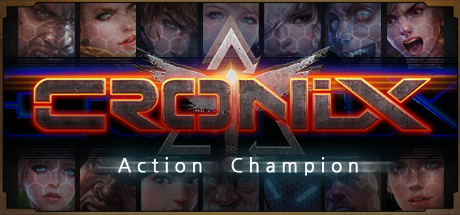
CroNix is a fast-paced, action-packed multiplayer PvP game set in battlefields of a post-apocalypse world.
Revenue comes from in-game items and microtransactions, which our price-based model doesn't estimate. The player count below is how many people own it, not what they spent.
About
Genres
Stats
Languages: English*, French, Italian, German, Spanish - Spain, Czech, Korean, Polish, Portuguese - Portugal*languages with full audio support
Engagement
Reviews
Themes across 42 recent reviews and how positive each mention is. A keyword signal, not full sentiment analysis.
Reviews
Жена сказала, что если на этом обзоре наберётся 10 лайков и 5 наград, то она подарит ящик пива. Мужики, выручайте!
⡴⠑⡄⠀⠀⠀⠀⠀⠀⠀ ⣀⣀⣤⣤⣤⣀⡀ ⠸⡇⠀⠿⡀⠀⠀⠀⣀⡴⢿⣿⣿⣿⣿⣿⣿⣿⣷⣦⡀ ⠀⠀⠀⠀⠑⢄⣠⠾⠁⣀⣄⡈⠙⣿⣿⣿⣿⣿⣿⣿⣿⣆ ta bueno ⠀⠀⠀⠀⢀⡀⠁⠀⠀⠈⠙⠛⠂⠈⣿⣿⣿⣿⣿⠿⡿⢿⣆ ⠀⠀⠀⢀⡾⣁⣀⠀⠴⠂⠙⣗⡀⠀⢻⣿⣿⠭⢤⣴⣦⣤⣹⠀⠀⠀⢀⢴⣶⣆ ⠀⠀⢀⣾⣿⣿⣿⣷⣮⣽⣾⣿⣥⣴⣿⣿⡿⢂⠔⢚⡿⢿⣿⣦⣴⣾⠸⣼⡿ ⠀⢀⡞⠁⠙⠻⠿⠟⠉⠀⠛⢹⣿⣿⣿⣿⣿⣌⢤⣼⣿⣾⣿⡟⠉ ⠀⣾⣷⣶⠇⠀⠀⣤⣄⣀⡀⠈⠻⣿⣿⣿⣿⣿⣿⣿⣿⣿⣿⡇Juégalo ⠀⠉⠈⠉⠀⠀⢦⡈⢻⣿⣿⣿⣶⣶⣶⣶⣤⣽⡹⣿⣿⣿⣿⡇ ⠀⠀⠀⠀⠀⠀⠀⠉⠲⣽⡻⢿⣿⣿⣿⣿⣿⣿⣷⣜⣿⣿⣿⡇ ⠀⠀ ⠀⠀⠀⠀⠀⢸⣿⣿⣷⣶⣮⣭⣽⣿⣿⣿⣿⣿⣿⣿⠇ ⠀⠀⠀⠀⠀⠀⣀⣀⣈⣿⣿⣿⣿⣿⣿⣿⣿⣿⣿⣿⣿⣿⠇ ⠀⠀⠀⠀⠀⠀⢿⣿⣿⣿⣿⣿⣿⣿⣿⣿⣿⣿⣿⣿⣿
Jedyna wada tej gry to ocekiwanie na rozgrywke bo czasem jest ponad 10 min a dochodzi do 30 min i nawet godzina czasu potrafi być ale dołączyłem do gry zagrałem i polecam dobra gra
Media

Related
Related
Price dynamics, follower growth, revenue and sales trajectories with interactive tooltips
This and every other Pro feature is free until October 20, 2026. A free account is all it takes.
Hours played at review time, across 42 reviews with recorded playtime.
positive critical· bar length = how often the theme comes up
[h1]CroNix[/h1] [b]Gêneros:[/b] Ação, Casual, Gratuitos para Jogar, Estratégia [b]Avaliação na Steam:[/b] Mistas, com 446 avaliações [b]Preço:[/b] Gratuito [b]Visão geral[/b] CroNix é um jogo multiplayer de PvP ambientado em um mundo pós-apocalíptico. A proposta combina ação rápida com elementos estratégicos, buscando partidas intensas e diretas. O foco está nos confrontos entre jogadores, e não em uma campanha tradicional elaborada. Como experiência gratuita, pode ser uma alternativa acessível para quem quer testar um título competitivo sem custo inicial. A recepção mista na Steam indica que a execução não agrada todos os jogadores. [b]Jogabilidade[/b] A base da experiência está nos combates multiplayer em ritmo acelerado. O jogador precisa equilibrar decisões rápidas de ação com escolhas estratégicas durante as disputas. Essa combinação pode agradar quem prefere confrontos mais dinâmicos, mas também exige adaptação constante. O formato PvP faz com que a qualidade das partidas dependa bastante do comportamento e do nível dos adversários encontrados. Por ser classificado também como casual, CroNix parece buscar uma entrada mais simples do que jogos competitivos extremamente complexos. Ainda assim, a presença de estratégia sugere que agir sem planejamento pode limitar o desempenho. A progressão e a variedade disponível precisam sustentar o interesse além das primeiras partidas, algo que a avaliação dos usuários não confirma de forma unânime. O maior atrativo está na possibilidade de participar rapidamente de batalhas contra outros jogadores sem precisar comprar o jogo. [b]Apresentação e atmosfera[/b] O cenário pós-apocalíptico oferece uma identidade temática adequada para campos de batalha e conflitos entre sobreviventes. A descrição oficial enfatiza velocidade e intensidade, características que devem conduzir o ritmo da apresentação. Com as informações disponíveis, não é possível apontar destaques específicos na parte visual, sonora ou narrativa. A atmosfera parece funcionar principalmente como contexto para o PvP, em vez de ser o centro da experiência. [b]Pontos positivos[/b] [list] [*] Gratuito para jogar e fácil de experimentar [*] Combina ação rápida com elementos de estratégia [*] Confrontos multiplayer focados em PvP [*] Ambientação pós-apocalíptica com potencial para batalhas intensas [/list] [b]Pontos negativos[/b] [list] [*] Recepção mista entre os jogadores da Steam [*] A experiência depende bastante da qualidade da comunidade e das partidas disponíveis [*] Pode oferecer pouca variedade para quem busca uma campanha ou narrativa mais desenvolvida [/list] [b]Para quem é indicado[/b] [b]Recomendado para:[/b] jogadores que procuram um PvP gratuito, partidas rápidas e uma combinação simples de ação com estratégia. [b]Pode não agradar:[/b] quem prefere experiências solo, campanhas narrativas ou sistemas competitivos mais profundos e refinados. [b]Conclusão[/b] CroNix apresenta uma proposta acessível e objetiva, com confrontos PvP rápidos em um cenário pós-apocalíptico. A mistura de ação, estratégia e elementos casuais pode render partidas divertidas, especialmente para quem quer experimentar o jogo sem compromisso financeiro. Por outro lado, a recepção mista sugere que há limitações suficientes para impedir uma recomendação ampla. É uma opção razoável para testar, mas não parece indispensável dentro do gênero. [b]Nota final: 5,5/10[/b]
☀️
I just remembered I haven't written a review for this game. On paper, CroNix is a compelling concept: a fast-paced, post-apocalyptic arena brawler that merges MOBA strategy with over-the-shoulder action. The MOSA framework is initially impressive, particularly the mechanic allowing you to counter-pick champions mid-match following a death. This degree of flexibility provides a fresh layer of tactical engagement during the early matches. However, extended playtime reveals significant mechanical flaws. While the character designs are aesthetically strong and roles are distinct, the combat often feels unexpectedly slow and clunky. Certain combo attempts fail to register correctly, leaving players vulnerable to high-damage attacks from opponents. The gameplay lacks the snappy, responsive "crunch" characteristic of top-tier brawlers, eventually causing the experience to shift from skill-based combat to a struggle against the game's engine.
CroNix attempts to create something different by combining mechanics from multiple competitive genres into a single experience. Rather than following the traditional structure of many multiplayer arena games, it mixes hero-based abilities, team strategy, and objective-driven gameplay with the speed and direct control of a third-person action title. The result is a game that tries to reduce the distance between the player and the battlefield, replacing passive observation and slower pacing with more immediate action and movement-heavy encounters. Set within a post-apocalyptic world, the game builds its matches around fast combat and team coordination. Instead of creating a structure where players spend long periods focusing on resource collection and gradual progression, CroNix pushes players directly into action. Battles move quickly, and the pace encourages constant movement and decision-making. This faster approach helps create a more energetic atmosphere where combat often becomes the central focus rather than simply serving as a reward at the end of longer strategic preparation. One of the more interesting ideas introduced by the game is its flexible approach to character selection. In many competitive games, choosing a character at the beginning of a match becomes a permanent commitment, which can create problems when situations change later. CroNix allows players to adapt by switching characters after death, creating opportunities for strategic adjustment during matches. This system adds another layer of tactical thinking because players can respond directly to enemy strategies rather than remaining locked into choices that may no longer be effective. Combat itself becomes one of the strongest aspects of the experience because it places a greater emphasis on player skill and movement. The third-person perspective creates a more active feeling where positioning, aiming, and timing all become important factors. Players are not simply activating abilities and waiting for cooldowns. Instead, they are constantly moving, avoiding attacks, and trying to create opportunities for effective combinations. This style gives encounters a more personal and immediate feeling compared to slower or more methodical arena games. The character roster also helps create variety across matches. Different heroes fill recognizable roles such as offensive attackers, supportive characters, and defensive fighters, but direct control changes how these roles function during gameplay. Since movement and execution matter alongside abilities, players are given additional ways to express skill beyond simply understanding statistics and builds. Different characters can feel distinct not only because of their abilities but because of how players choose to control them during combat. Game modes further expand the experience by introducing objectives beyond simply defeating opponents. Instead of reducing every match to straightforward elimination battles, the game incorporates different goals that encourage teamwork and strategy. Objective control and survival-based challenges create situations where players need to think beyond accumulating kills. Success often depends on coordination and timing, helping create more dynamic and varied matches. Customization systems also contribute to progression by allowing players to shape character performance according to personal preferences. Skill modifications and progression systems create opportunities for experimentation and help give players reasons to continue investing time into their preferred characters. Building different setups adds flexibility and encourages players to explore multiple approaches. Visually, CroNix adopts a style that supports its action-focused gameplay effectively. Character designs and environments remain readable during combat, which becomes important in fast-paced multiplayer games where players need to react quickly. The post-apocalyptic setting gives the game a recognizable identity while maintaining a presentation focused more on functionality than excessive visual complexity. Unfortunately, many of the game's strongest ideas become affected by practical issues surrounding the multiplayer experience itself. Competitive games depend heavily on active communities and healthy matchmaking systems, and limitations in these areas can significantly affect long-term enjoyment. Even strong mechanics can struggle when surrounding systems fail to support the experience consistently. Despite these problems, CroNix remains interesting because it clearly tried to move beyond established formulas. Instead of simply repeating familiar ideas, it experimented with blending different genres and creating a more action-oriented approach to multiplayer competition. While not every aspect reached its full potential, the ambition behind its design remains noticeable. For players who enjoy team-based combat experiences that combine strategic thinking with fast movement and direct action, CroNix offered a unique attempt at bringing multiple ideas together. Beneath its limitations was a game built around speed, adaptation, and competitive energy that showed genuine creativity. Rating: 5/10
Çıktığı gibi ölen, mekanikleri zayıf ama nedensizce oynanışı güzel olan bir oyun. Şu an ise oyun için "ölü" kelimesi çok yakışır. Oyun ben oynadığım dönem sadece multiplayer'dı büyük ihtimalle şu anda öyledir ve oyuncusu yok.
Jogo nem existe mais
nie wbija mnie w ogole do gry
Players by region
Where this game's players are, estimated from review languages.
Related
| Game | Estimated lifetime revenue | Reviews | Review score | Price |
|---|---|---|---|---|
| $0 | 18.5K | 82% | Free | |
| $0 | 188.4K | 79% | Free | |
| $0 | 2.8M | 61% | Free | |
| — | 18.2K | 79% | — | |
| $0 | 0 | — | Free | |
| — | 6.1K | 69% | — |