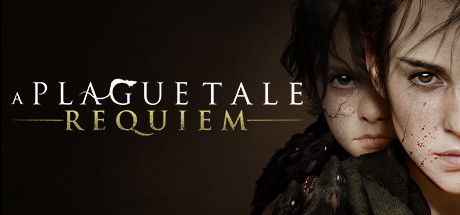
Embark on a heartrending journey into a brutal, breathtaking world, and discover the cost of saving those you love in a desperate struggle for survival. Strike from the shadows or unleash hell with a variety of weapons, tools and unearthly powers.
Modeled estimate, not a reported figure. How we estimate →
Prices
Each in the currency that store quoted — not converted: the gap between two rows is the publisher's pricing, not an exchange rate.
Charts
Each storefront's own chart, in its own country — the closest public signal to sales where none is published. A country missing from a list is one we don't collect there, not one where the game doesn't chart.
No United States chart position — it charts only in the markets below.
Discounts
Every price cut of more than 20% we have observed, in each market that quoted one, with this game's chart position on either side of it. These are episodes, not a model: a sale is one event, and one event cannot tell you what the next one will do.
Reviews, worldwide (the counter carries no country): 23.57/day in the week to Sep 3 → 31.86/day in the week after.
About

Genres
Add-ons
Each DLC is estimated with the same model as a game, then summed — a modeled figure, not reported DLC sales.
Sums Steam only; PlayStation, Xbox, GOG, Epic publish no volume signal, so the true total is higher by an unknown amount.
| Store | Price | Audience | Score | Chart | Est. revenue |
|---|---|---|---|---|---|
SteamYou are here | $49.99 | 20.8Kreviews | 91% | — | $23M |
| $79.99 | 28.1Kratings | 91% | — | not modelled | |
Updates
Build ids and update times come straight from Steam's PICS — the same source SteamDB reads. Patch history grows as we record new builds.
Engagement
Reviews
Themes across 1675 recent reviews and how positive each mention is. A keyword signal, not full sentiment analysis.
Reviews
Here's your full ghoulish rundown for A Plague Tale: Requiem: A Plague Tale: Requiem — RECOMMENDED Few games this beautiful are willing to be this bleak. A Plague Tale: Requiem picks up the tragic tale of Amicia and her plague-touched little brother Hugo and drags it somewhere darker, sadder, and far more devastating than the first game dared. Asobo Studio built a sequel that improves on its predecessor in nearly every way — a gorgeous, gut-wrenching, cinematic descent that'll stay lodged in your chest long after the credits. The story is the beating, bleeding heart of it. This is a game about a sister who will do anything to save her brother, and about what that devotion costs her soul. It goes to genuinely disturbing places — powerful, evocative, and unflinching about grief, desperation, and the monstrous things love can justify. The bond between Amicia and Hugo is one of the most affecting relationships in games, and the writing and performances sell every crushing beat. Wrap it in some of the most stunning visuals on the platform — sun-drenched Mediterranean vistas one moment, seas of writhing death the next — and you've got a game that's constantly, hauntingly beautiful even at its ugliest. And the rats. Oh, the rats. The signature swarms return, and they're horrifying — oceans of scurrying vermin that devour anything not standing in light, forcing you to weave fire and shadow just to survive. Watching a tide of thousands of rats pour through a corridor and strip a body to bone is a nightmare image this series owns completely. The stealth, the light-and-dark puzzles, the desperate improvised combat — it's all streamlined to serve the dread and the story. What'll gnaw at you: the gameplay itself is the weak link. It's simple and can get repetitive — sneak, distract, snuff a torch, repeat — and it won't satisfy anyone hunting for deep, challenging mechanics. Technical performance took some heat too, so a beefier rig helps it run as gorgeously as it wants to. This is a linear, guided experience, not an open playground; you're here to be told a story, not to break systems. The ghoulish truth: you don't play A Plague Tale: Requiem for the gameplay — you play it to be moved, and on that front it delivers one of the most emotionally shattering journeys in modern gaming. It's dark, it's disturbing, and its ending will haunt you. Steel yourself, light your torch, and hold onto Hugo. You'll need to.
Media

Related
Related
Price dynamics, follower growth, revenue and sales trajectories with interactive tooltips
This and every other Pro feature is free until October 20, 2026. A free account is all it takes.
Every market we collect.
Latest in each market: best AU #47, worst PL #94 · 11 markets collected
Reviews, worldwide (the counter carries no country): 1051.83/day in the week to Jul 17 → 27.29/day in the week after.
For scale, across Steam · Top Sellers · Brazil over the last 30 days: the 24 chart moves that followed a price cut of more than 20% went a median of 9 places towards #1, and the 2,404 moves with no price cut behind them went 2 away. One store, one chart, one country — it is the only place we have enough observations to say even that.
Prices outside the United States have been collected since 6 August 2026 and chart positions since 19 July 2026, so a cut older than that has no market to compare and a market that joined later has no history yet. Nothing here is converted between currencies.
Stats
All-time low is the lowest price we've recorded for this game since we started tracking it.
Languages: English*, French*, Italian, German*, Spanish - Spain*, Simplified Chinese*, Traditional Chinese, Spanish - Latin America, Polish, Portuguese - Brazil, Russian, Czech +4 more
| $17.99−70% |
| 18.8Kratings |
| 92% |
| — |
| not modelled |
| $49.99 | 294ratings | 86% | — | not modelled |
| $49.99 | — | — | — | not modelled |
Matched by title — a reused name can pair the wrong games. * is a critic aggregate. Prices and positions are each store's United States storefront; Epic charts worldwide. Audience and Score too, except Steam's, which is worldwide.
Hours played at review time, across 1.7K reviews with recorded playtime.
positive critical· bar length = how often the theme comes up
I was absolutely hooked to the storyline, was too curious on what would happen next but i sadly had to force myself to stop. I enjoyed the graphics of the game, the immersion of the location and the bond you build with Hugo and Amicia. Sadly the game had to end and the story still spooks inside my thoughts. Altough i defenitely liked the game, sometimes mechanics are a bit wonky, and some parts are quite hard.
[h1]A Plague Tale: Requiem — реквием совсем не по чуме[/h1] [b]⚠ Дальше — полные спойлеры к Innocence и Requiem, включая финал.[/b] Это тот случай, когда после финальных титров хочется не обсуждать геймплей, а просто немного помолчать. Пишу я не о механике — запомнилась мне совсем не она. [h2]Не про крыс[/h2] Формально A Plague Tale — история про чуму, крыс, Орден и мальчика, способного управлять роем. Но чем дальше играешь, тем яснее видно: вся эта фантастика — язык, на котором игра говорит о вещи попроще и пострашнее. В семье тяжело болен ребёнок. Зовут его Юго. И крысы, Макула, Лякуна, Орден — способ показать, как неизлечимая болезнь одного ребёнка захватывает жизнь всей семьи. [h2]Ремиссия и рецидив[/h2] Innocence заканчивается облегчением: кажется, лекарство подействовало, можно жить дальше. Requiem начинается с полугода тишины — новый город, солнце, ярмарка, семья пробует начать сначала. На понятном языке: первая часть заканчивается не выздоровлением, а ремиссией, а вторая открывается рецидивом. От этого иначе смотрится и Амиция. В первой половине дилогии она — сестра, которая толком не знает брата, потому что всё внимание матери уходило на его лечение. Во второй она сама становится человеком, вся жизнь которого крутится вокруг чужой болезни: ищет лекарей, добывает снадобья, решает за двоих, тащит Юго на себе. Орден делает её Защитницей — и этот ярлык обезличивает её почти так же, как Носитель обезличивает Юго: он становится диагнозом, она — функцией. [h2]Четыре модели помощи[/h2] Что мне правда понравилось — как вокруг Юго выстроено несколько взрослых, каждый со своим способом «помогать». Их путь постепенно напоминает дорогу семьи с тяжело больным ребёнком от одного специалиста и одной надежды к следующей. Водэн читается как врач, который знает диагноз, но забывает пациента: он разбирается в Макуле, однако в какой-то момент протокол становится важнее мальчика. Так бывает и в реальности — специалист может быть компетентен и даже прав, но видеть перед собой уже не человека, а очередной случай. Лука — другая сторона той же профессии, что-то вроде хорошего врача-исследователя: он тоже опирается на знания, ошибается и меняет гипотезы, но не перестаёт видеть в Юго ребёнка. Басилиос для него — не готовая судьба следующего Носителя, а опыт предыдущего пациента. Софья читается как добрая детская медсестра — чужой человек, который никому ничего не должен, но всё равно остаётся рядом. Родственник не может находиться возле больного ребёнка каждую секунду, и такие люди со временем перестают ощущаться чужими. Она шутит с Юго, участвует в детских глупостях, подбадривает, когда ему страшно, и замечает, что Амиции тоже нужна передышка. Даже её призма оказалась точной метафорой: она не побеждает болезнь, а лишь немного расширяет безопасное пространство вокруг. Виктор и Эмили — уже не медицина, а лженаука. В реальном мире вокруг тяжёлой болезни тоже появляются люди, обещающие чудесную диету, особый метод или «истинную причину». Одни искренне верят в собственные идеи, другие понимают, что продают отчаявшейся семье уверенность. На Лякуне всё устроено похоже: Басилиос существовал, Макула реальна, но вокруг настоящих фактов вырастает теория о Чаде Углей, особой судьбе и «правильной» матери. Виктор знает, что этот миф создан людьми; Эмили принимает его как истину. Поэтому смерть Беатрис от руки Эмили я уже не воспринимаю как простой шок: мать, годами пытавшаяся спасти сына, оказывается перед людьми, решившими, что понимают его лучше неё и вправе заменить ему семью. [quote]Водэн знает болезнь и забывает пациента. Лука лечит, не боясь сомнений. Софья не обещает спасения, но остаётся рядом. Виктор и Эмили предлагают то, чего честный специалист обещать не может, — абсолютную уверенность.[/quote] Отдельно просится Арно. Когда-то он прошёл свою войну рядом с сыном и сына потерял. Для меня он становится возможным будущим Амиции: человеком, пережившим смерть ребёнка, но оставшимся жить внутри утраты. Война закончилась, а Арно превратил оставшуюся жизнь в месть Виктору. Сначала он пытается использовать Юго, чтобы закончить прошлое; в конце сам отдаёт жизнь, чтобы Амиция смогла продолжить путь к брату. Его история показывает, как легко после потери навсегда остаться в войне с прошлым. [h2]Когда ребёнок становится диагнозом[/h2] А Юго тем временем всё чаще перестаёт отделять себя от болезни. Вокруг гибнут города, все чем-то жертвуют ради него — и ребёнок делает логичный и от этого особенно страшный вывод: раз всё происходит из-за меня, значит, я и есть проблема. Он не хочет быть Носителем и повторить судьбу предыдущего больного мальчика, которую тоже когда-то решили за него взрослые. Он просто хочет быть обычным. И его собственный голос начинают по-настоящему слышать только в самом конце. [h2]Финал[/h2] Последние главы ломают то, чему обе игры учили: есть проблема — значит, есть решение, нужно просто драться усерднее или найти нужный предмет. В финале это перестаёт работать. Юго впервые сам ведёт Амицию, а не наоборот — и говорит ей, что старый путь закончился, а она всё ещё смотрит не туда. Дальше игра даёт последний бой: вокруг Амиции одна за другой поднимаются фигуры из крыс, рядом горит жаровня, а камней с огнём — сколько угодно. Но стоит погасить огонь, как исчезают и враги. Пока Амиция связывает любовь к Юго с обязанностью сохранить его жизнь любой ценой, каждая новая преграда становится очередным чудовищем. Выход появляется только тогда, когда она принимает: спасти Юго уже невозможно. Это не история про то, что «надо вовремя сдаться». Бороться и помогать — не всегда одно и то же. Амиция настолько долго была Защитницей, что «я больше не могу его спасти» почти равняется для неё «я его бросила». И именно Юго впервые ведёт её, заставляя услышать то, чего она не способна принять. Меня зацепило, что праща — оружие, которым Амиция две игры защищала брата от всего мира, — в финале становится тем, чем она выполняет его собственную просьбу. И рука, за которую она всю дорогу его держала, в последний момент оказывается той, которую взять уже нельзя: между ними расстояние, которое не пройти. Здесь онкологическая аналогия сменяется инфекционной — близкий человек умирает перед тобой, но подойти нельзя. Через год Амиция готовится вместе с Софьей искать следующего Носителя и его Защитницу, чтобы оставить им путь, которого не было у неё и Юго. Арно после смерти сына жил прошлым; Амиция после смерти брата выбирает будущее. А последняя сцена переносит нас в современную больницу, где у другого ребёнка видны те же следы Макулы. Болезнь не закончилась вместе с Юго, но теперь остался опыт тех, кто уже прошёл этот путь. [h2]Зачем нужна эта метафора[/h2] Зачем прятать эту историю за крысами и фэнтези, а не рассказать прямо? Потому что то, как болезнь ребёнка съедает жизнь семьи, со стороны почти невидимо — это происходит медленно и тихо. Игра делает видимыми страх, вину и истощение. Фантазия здесь — не побег от реальности, а способ досмотреть её до конца, не отвернувшись. [hr][/hr] Наверное, поэтому после финала мне сильнее всего запомнились не крысы и разрушенные города, а цветы, перья, игрушки Басилиоса, качели и тот самый глупый крик с башни. Всё, что не приближало лечение, но напоминало, ради чего вообще стоило бороться. Болезнь легко превращает человека в случай, диагноз и прогноз. A Plague Tale раз за разом возвращает его к имени. [b]Юго.[/b] И, возможно, поэтому мы собирали его воспоминания: чтобы после прощания с Юго в памяти осталась не только его последняя минута, но и вся та маленькая жизнь, которая была до неё.
工业化太严重了,剧情能打个5分还是因为我对这个ip有滤镜的情况下,编剧真给美术磕一个吧,第一部可以说是弟弟惹祸姐姐成长,第二部则是完完全全的反过来,莫名其妙的冲突反正带动不了情绪,多次的降智行为给人气笑了,让我打分,第一部能打8分,第二部则只能打个5分,美术也拯救不了无趣的战斗与解密以及莫名其妙的反水剧情以及突兀的情感转换,第二部阿米西亚的人物塑造真的让人共情不了一点点,怎么人设都能崩完,雨果人家都想离开了,姐姐硬是拉着去,出事了还把责任推给Makula,真给我气笑了,后面雨果说要杀人时让他别杀人,隐约的意思就是说这种事情让姐姐做就好,完事后期直接教唆雨果杀人这谁能绷住,怎么这评分还能这么高真的让人感觉到心寒搞笑,我一直都感觉这一代所有人的逻辑都带着一种极其诡异不正常的感觉,极其不合理的三观与关卡规划,作为一款剧情类游戏一直推广这样的理念实在是太抽象了,编剧真的是人类吗?
«Очень тяжелая история...» Вторая часть представляет из себя полное продолжение первой части, где улучшена геймплейная часть, новое оружие, добавленные в некоторых главах новые механики ведения боя, ну и про графику не забыли. У меня ПК во второй части сильно потел. Безусловно, сильная история с очень тяжелыми и прописанными персонажами, где ты к середине понимаешь, как тяжело ГГ, а к концу, что это просто обидно и невыносимо. Ощущения очень приятные и одновременно грустные, но разработчики огромные молодцы. У нас тут и бои один за другим, потом головоломка, далее проба новых механик. Схожесть, конечно, с серией игр «Tomb Raider» сразу чувствовалась, но на простом, коридорном уровне. Из минусов выделить могу только несколько моментов: • Проблемы с сохранениями, где-то они срабатывают как надо, а где-то тебе нужно пройти определенный момент, очень большой разбег между сохранениями. • Очень бесячее - ходьба/бег Я тут не совсем понял создателей, но они в 80% случаях просто урезали вам бег до ходьбы, где нужно исследовать локацию или же, когда даже по сюжету вроде вам нужно бежать, а персонажи идут пешком. Итог: прекрасная игра, в которую нужно погружаться полностью, чувствовать персонажей и проходить с удовольствием. Оценка: 9/10 P.S. В отзывах видел, что некоторые писали про затянутость, не соглашусь, так как игры после первых частей обрастают объемом. И здесь количество = качество. Я доволен P.S. 2 Две части работают как один полноценный проект. Хорошо, что не пошли дальше с 3-й такой же частью (но титры были интересные) P.S. 3 Извините, но еще один момент - крысы. Честно, в какой-то момент почувствовал, что слишком их много в кадре, в первой части такого не ощущал. Всё. Больше не будет P.S.
Хорошо, но затянуто. Можно спокойно было вырезать пару глав или сделать их гораздо короче, игра в этом только бы выиграла. Конец грустный, но как по мне недокручен, можно было и побольше эмоций выдавить имхо. А еще, зря не сделали несколько кардинально отличающихся от себя концовок, которые зависели б от прохождения игры, убивать всех или стараться не сделать ни одного убийства за игру, кто знает тот поймет о чем я. В общем 8 из 10. По скидке рекомендую, все же история очень хороша + красивая картинка, но геймплей быстро надоедает + тягомотина лютая местами.
基本上还不错,但是bug太多,尤其转向的时候老是卡顿,容易搞得人很烦
Very good if you like stealth type games. will make you sob.
I loved the first game, so jumping into this one was an easy decision. I'm really glad I did. Amicia and Hugo's story pulled me right back in, and before long I was completely invested in what happened to them. This game is absolutely gorgeous. Every area looks incredible, the music fits every scene perfectly, and the voice acting is some of the best I've heard in a game. The relationship between the two siblings feels real, and there were plenty of moments where you could genuinely feel what they were going through. I also liked that the game lets you play the way you want. You can sneak around, fight your way through, or get creative with fire, smoke, and your tools. I never felt like it forced me into one style, and it even rewards you for sticking with the way you like to play. It's not perfect, though. I had some small hitching here and there, although that could've just been my PC. The puzzles were okay, but they felt like they were added because every adventure game needs puzzles. None of them were very memorable. My biggest gripe is when the game is screaming, "Run for your life!" but then only lets you walk like you're out for an evening stroll. It completely kills the urgency. Those complaints are pretty minor, though. The story, characters, music, and atmosphere are what make this game special. It had me hooked from beginning to end, and I'd easily give it a 9/10. If you liked Innocence, I can't imagine not recommending this one.
First off, this is a very bleak tale. There are rays of sunlight in there, but it's mostly darkness. Don't play this game if you're not in the right headspace. Gameplay wise, I feel the game really forces you to mix up your playing styles. I wanted to be stealthy and not kill anyone as much as I could, but that's very difficult. At least for me. And because you can't quick save, but have to rely on checkpoints (which, to be fair, are mostly pretty generous) I quickly abandoned that ambition to avoid getting frustrated. That said, if you just go with the flow and play opportunistically, there are a lot of ways and tools to get through the gameplay arena's. The environmental puzzles are pretty straightforward and not particularly difficult. They usually focus on one mechanic in a confined space. They seem to be there to mix up the pace and offer some gameplay variety, rather than challenge you. Don't expect to be playing all the time, though. There are a lot of sections where you're just walking while listening to exposition. I don't mind these sections at all, but they are numerous. I have to admit I'm not particularly critical when it comes to stories in video games. That said, the game succeeded in making me care about the characters and their fates, and after finishing the game I looked up story interpretations online, which I don't often do. I recommend Lord JLO's video "Unraveling the Prima Macula through Alchemy: A Plague Tale Analysis" on Youtube. The game's story left an impression on me that games don't often achieve, so make of that what you will. Also, I think the English voice actress for Amicia did an amazing job. It's a very melodramatic performance, but that's the entire game, so in that context it comes across as very sincere and believable. The rest of the English voice cast is fine. Sometimes the dialogue and heartfelt moments can feel a bit cheesy, especially the souvenirs, not because they're particularly badly written, but because the in-game facial expressions and animations just can't handle the subtlety that's required. The fact that you can freely move the camera around during some of these scenes also doesn't help. As a collectible, the souvenirs are great, though. They really add flavour and depth to the experience. The game looks amazing, although the HDR doesn't seem particularly well implemented and the ray tracing seems buggy. Also, the water often looks a bit too shiny and oily, which is typical of most video game water, but because the static textures (like rocks and other surfaces that don't have to move) look very realistic, it can be jarring. Since there are a lot of scenes with water, it stood out to me. A thing that stood out to me in a positive way is the music, relying on a chamber choir (which I feel is pretty unique for a video game), a small ensemble of (seemingly) time appropriate instruments, and electronic percussion and drones. To me it fits the game's focus on the characters interact with the world and the plague, rather than emphasizing the scope of the plague and how it leaves its mark on the world as a whole. It's a more intimate musical approach, instead of going for bombast and epicness. Great looking game with decent gameplay and a touching story that left me an emotional wreck at the end.
Selling now
See how fast this game is selling right now — estimated copies and revenue per day from recent review growth.
Active players
Estimated daily and monthly active players (DAU/MAU) modeled from peak concurrency.
Players by region
Where this game's players are, estimated from review languages.
Players also reviewed
The games this title's players most often review too — audience affinity.
Related
| Game | Estimated lifetime revenue | Reviews | Review score | Price |
|---|---|---|---|---|
| — | 0 | — | — | |
| — | 0 | — | — | |
| — | 0 | — | — | |
| — | 0 | — | — | |
| — | 0 | — | — | |
| — | 0 | — | — |
Related
| Game | Estimated lifetime revenue | Reviews | Review score | Price |
|---|---|---|---|---|
| $23M | 33.4K | 79% | $29.99 | |
| $22.9M | 42.1K | 94% | $19.99 | |
| $23.1M | 265.8K | 98% | $4.99 | |
| $22.8M | 47.1K | 90% | $20.99 | |
| $22.7M | 25.6K | 65% | $39.99 | |
| $22.7M | 12.1K | 89% | $69.99 |