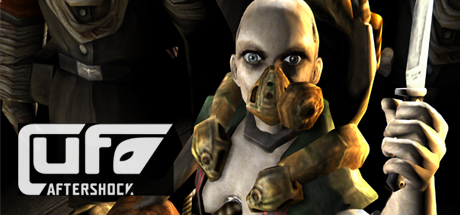
UFO: Aftershock is a layered hybrid strategy game developed by ALTAR Interactive and published by Fulqrum Publishing that blends global-scale management with real-time tactical combat in a grim, post-apocalyptic science fiction setting. As the second entry in the After series, it builds upon the foundations of its predecessor while shifting the conflict back toward a devastated Earth. Humanity, having previously fled the planet, now struggles to reclaim it from alien forces, mutated lifeforms, and fractured remnants of civilization. This premise frames the experience as both a desperate survival effort and a calculated military campaign, placing players in command of a fragile resistance tasked with restoring order in a hostile world.
The game operates across two interconnected layers: a strategic world map and individual tactical missions. On the strategic level, players manage bases, research technologies, manufacture equipment, recruit personnel, and allocate scarce resources. Territory control is critical, as regions generate resources that fuel further expansion and technological advancement. The research tree is extensive, offering upgrades in weaponry, armor, alien technology adaptation, and infrastructure improvements. This long-term planning phase creates a steady sense of progression, rewarding thoughtful allocation of funds and prioritization of technological paths. Decisions made at this level directly influence battlefield performance, reinforcing the importance of preparation.
When missions trigger, the focus shifts to squad-based real-time tactical combat with a pause function. Unlike traditional turn-based tactics games, UFO: Aftershock unfolds in continuous time, but players can pause at any moment to issue commands, reposition units, or adjust strategies. This hybrid approach allows for detailed tactical planning while maintaining the urgency of real-time engagements. Combat environments range from urban ruins and industrial complexes to open terrain and interior facilities, often featuring multi-level structures that encourage vertical positioning and use of cover. Managing line of sight, suppressive fire, and flanking maneuvers becomes essential, especially when facing varied enemy types that behave differently and require adaptive tactics.
Squad composition and specialization add depth to the tactical layer. Soldiers can be trained in different skills, improving proficiency with specific weapon types or roles such as heavy support, sniping, or medical assistance. Over time, units develop strengths that shape how you approach engagements. Losing experienced soldiers can be a significant setback, creating a tension that makes each mission feel consequential. Equipment customization further enhances this system, as players experiment with combinations of alien-derived technologies and human-developed weaponry to optimize effectiveness against increasingly formidable foes.
The atmosphere of UFO: Aftershock leans heavily into bleak futurism. The world feels fractured and unstable, with scattered human factions vying for survival amid alien occupation and environmental devastation. Storytelling is delivered primarily through mission briefings, faction interactions, and environmental context rather than cinematic cutscenes. While character development remains minimal, the broader worldbuilding provides enough intrigue to sustain interest. The narrative serves more as a framework for strategic decision-making than as an emotional centerpiece, but it successfully establishes stakes and reinforces the tone of reclamation and resistance.
Visually, the game reflects its mid-2000s origins. Isometric environments prioritize functional clarity over visual flourish, and character models are utilitarian rather than detailed. The color palette often leans toward muted grays and industrial tones, reinforcing the desolate setting. Although the graphics may feel dated by modern standards, they support the tactical readability required for squad management. Sound design follows a similarly practical approach, with weapon effects, ambient noises, and environmental cues that enhance immersion without drawing excessive attention to themselves.
One of the defining characteristics of UFO: Aftershock is its complexity. The layered systems, expansive research tree, and real-time-with-pause combat create a steep learning curve. New players may initially find the interface dense and the mechanics overwhelming. Mastery requires patience and a willingness to experiment with strategies, understand faction dynamics, and adapt to unexpected mission complications. This depth can be immensely rewarding for strategy enthusiasts, but it may alienate those seeking a more streamlined or accessible experience.
Mission variety is present, though objectives often revolve around familiar themes such as securing territory, eliminating hostile forces, or defending key locations. Over the course of a lengthy campaign, repetition can emerge, particularly as players settle into effective squad compositions and research priorities. However, escalating enemy difficulty and expanding technological options help mitigate stagnation. The sense of slowly reclaiming Earth—region by region—provides a persistent motivation that sustains engagement across extended play sessions.
Ultimately, UFO: Aftershock stands as a robust and ambitious strategy title that blends macro-level planning with micro-level tactical execution. Its real-time-with-pause system offers a distinctive alternative to turn-based tactical games, while its strategic layer demands careful foresight and resource management. Though its presentation and interface show their age, the underlying systems remain compelling for players who appreciate depth, challenge, and methodical progression. For dedicated fans of classic strategy hybrids and those willing to invest time into mastering its mechanics, it delivers a dense and rewarding campaign centered on reclaiming a shattered world from alien domination.
Rating: 7/10