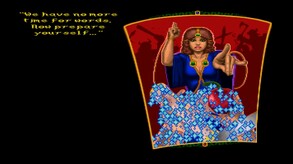
The Summoning is a fantasy role-playing adventure, set inside a huge labyrinth with 40 different levels and hordes of monsters. Use steel, magic and wit to fight, cast and puzzle your way through the evil that lies within. Struggle to survive and grow strong enough to fight and defeat Shadow Weaver.
Modeled estimate, not a reported figure. How we estimate →
Prices
The United States storefront in every case, so this compares stores and not countries.
Discounts
Every price cut of more than 20% we have observed, in each market that quoted one, with this game's chart position on either side of it. These are episodes, not a model: a sale is one event, and one event cannot tell you what the next one will do.
Reviews, worldwide (the counter carries no country): 0/day in the week to Sep 6 → 0/day in the week after.
For scale, across Steam · Top Sellers · Brazil over the last 30 days: the 26 chart moves that followed a price cut of more than 20% went a median of 7 places towards #1, and the 2,400 moves with no price cut behind them went 2 away. One store, one chart, one country — it is the only place we have enough observations to say even that.
Prices outside the United States have been collected since 6 August 2026 and chart positions since 19 July 2026, so a cut older than that has no market to compare and a market that joined later has no history yet. Nothing here is converted between currencies.
About
Genres
Sums Steam only; GOG publishes no volume signal, so the true total is higher by an unknown amount.
| Store | Price | Audience | Score | Chart | Est. revenue |
|---|---|---|---|---|---|
SteamYou are here | $9.99 | 22reviews | 91% | — | $4.2K |
| $4.99−50% | 35ratings | 86% | — | not modelled |
Matched by title — a reused name can pair the wrong games. * is a critic aggregate. Prices and positions are each store's United States storefront; Epic charts worldwide. Audience and Score too, except Steam's, which is worldwide.
Engagement
Reviews
The game is mostly alright, the story is as non existant as an RPG allows it to be (You are summoned by a group of mages that train you because a prophecy told that you will be the killer of a dark mage and tyrant) but some mechanics are extremely old, to the point of making it unplayable. 1) The mana regeneration is glacial, I got the game alone for 30 minutes and only got half mana. 2) The inventory system and weapon interaction are also awful, you only have 20 inventory slots, but they can be augmented with bags or coffers that occupy one spot and give 10 spots more. But to access those bags, you have to put the coffer in your left hand and check everything, if you want to use something from the bag, you have to put it in the left hand, there is no way to know what bag is what and what it holds, and you can't pause while you check the inventory, so if you have a bag of healing potions, good luck using them on combat before dying. 3) There are items that you can use and lose that are important to the main storyline, these items appear sometime on the first floors but are usable on the last ones, and so, a walkthrough is almost mandatory if you don't want to get stuck in the middle of the game and having to load a save five floors below. In the end, I got tired of having to check seven coffers and two bags every time I wanted to get an item and abandon the game. I know I could have a more thought out inventory system by having notes of what each bag holds, but in the end, the game is not worth all the effort.
Media

Related
Related
Price dynamics, follower growth, revenue and sales trajectories with interactive tooltips
This and every other Pro feature is free until October 20, 2026. A free account is all it takes.
Stats
All-time low is the lowest price we've recorded for this game since we started tracking it.
Languages: English
Hours played at review time, across 22 reviews with recorded playtime.
ELADJKJC
The Elder Scrolls 1 ha copiato da questo gioco il 76% di tutto quanto.
Yes.
It's so cool seeing a game from 1992 come to Steam. Despite being an antique it works flawlessly thanks to SNEG and the DOSBox-like launcher they hooked it up with. I'm sure you know what you're getting into if you're looking at a game that is coming up on its 35th birthday, But, I think the UI for The Summoning is probably a lot better than many old games because of how simple it is and you'll find this more accessible than a lot of its contemporaries. But there are a some things to be cautious of. First, this game is from the time when adding text that would explain the game was actually a consideration when it came to file size. So games from this era launched with big manuals that you were expected to have open while you played it. A lot of "how was I supposed to know X" the answer is - you were expected to have read it in the manual before you played, which I know hasn't been a thing for decades. You can find a .pdf of it online that's great quality, as well as old strategy guides that I would probably recommend for any genuine new players. The second thing to be aware of is this game is long. There is a lot of dungeon here, a lot of teleport circles that zap you all around, a lot of spells and secrets, and it will take a long time to clear this honestly. You aren't just getting an old game, you're getting a LOT of old game. That's the other thing about games back then, adding another level to the dungeon was always a good thing. Why would you not want that? Respect player's time? Pshaw. If you can get past all that, man it's so worth it. It may be more of a history lesson than anything else at this point, but it's a cool one, and I'm glad it's here.
Вызов не принят. Пока не будет хотя бы ремастера, я не буду страдать.
The Summoning, developed by Event Horizon Software and published by SNEG, is a classic isometric action RPG that reflects an era when games prioritized depth, experimentation, and player-driven discovery over convenience. Originally released in the early 1990s and later reintroduced to modern audiences, it offers a dense dungeon-crawling experience that feels both ambitious and uncompromising. Rather than guiding players through a clearly defined path, it throws them into a vast labyrinth and expects them to find their own way, creating a sense of adventure that is as rewarding as it is demanding. The game is structured around a massive, multi-level dungeon that serves as the centerpiece of the experience. Each floor is filled with enemies, hidden areas, and puzzles that often require careful observation and trial-and-error to overcome. Progression is rarely straightforward, and the lack of clear direction can initially feel overwhelming. However, this design gradually reveals its strength as players begin to understand the layout and logic of the world. Exploration becomes a meaningful activity, where every discovery feels earned rather than handed to you. The dungeon itself feels alive with possibility, encouraging curiosity and persistence. Combat in The Summoning blends melee and magic in a way that feels experimental, even by modern standards. Weapons are not just tools but evolving assets that can grow stronger over time, rewarding long-term investment. Spellcasting is particularly distinctive, relying on rune combinations and gesture-like inputs that require players to learn and internalize the system rather than simply selecting abilities from a menu. This hands-on approach adds a layer of engagement, making each action feel deliberate. At the same time, it can also be challenging to master, especially for players unfamiliar with older design conventions. One of the game’s most notable strengths is how it integrates puzzles into its core gameplay. Obstacles are not limited to combat encounters; locked doors, environmental challenges, and cryptic clues frequently stand in the way of progress. These elements force players to think critically and pay attention to their surroundings, breaking up the rhythm of exploration and combat. When solutions are finally discovered, the sense of accomplishment is significant, reinforcing the game’s emphasis on problem-solving as a central component of the experience. The narrative unfolds gradually, relying more on atmosphere and scattered interactions than direct storytelling. While the overarching premise—a hero confronting a growing dark force—is familiar, the way it is presented gives it a subtle depth. Encounters with characters and environmental storytelling provide glimpses into the world, allowing players to piece together the larger picture at their own pace. Multiple endings and branching elements add a layer of replayability, giving weight to certain decisions and encouraging further exploration. Visually, the game retains its original isometric perspective and sprite-based design, which may appear dated but still carries a certain charm. The interface, particularly the inventory system, stands out as an early example of thoughtful design, allowing players to manage equipment in a more visual and intuitive way than many contemporaries. While it lacks the polish of modern RPGs, the presentation effectively supports the game’s atmosphere and functionality. Of course, the game’s age is evident in several areas. Controls can feel rigid, and the interface, while innovative for its time, may not be immediately intuitive for new players. The lack of guidance can lead to moments of frustration, especially when puzzles are obscure or progression is unclear. The pacing can also feel uneven, with long stretches of exploration that may test patience. These elements are part of the game’s identity, but they can make it less accessible to those accustomed to more streamlined experiences. Despite these challenges, The Summoning remains a compelling example of early RPG design. It offers a level of depth and freedom that is rarely seen in more modern titles, rewarding players who are willing to engage with its systems on their own terms. It is not a game that seeks to accommodate every player, but rather one that invites dedication and curiosity. In the end, The Summoning stands as a demanding yet rewarding journey through a richly designed labyrinth. Its combination of exploration, combat, and puzzle-solving creates an experience that feels both challenging and deeply satisfying. For fans of retro RPGs and those interested in the roots of the genre, it offers a memorable adventure that continues to hold its value decades after its original release. Rating: 8/10
Takie prawie Diablo na DOSboxa z 1992 roku. Dla fanów polecam RetroArch na Steam i rdzeń DOS, ten tytuł i prawie wszystkie inne są dostępne i grywalne za free.
An absolute banger. Gave me chills in my childhood.
Selling now
See how fast this game is selling right now — estimated copies and revenue per day from recent review growth.
Players by region
Where this game's players are, estimated from review languages.
Related
| Game | Estimated lifetime revenue | Reviews | Review score | Price |
|---|---|---|---|---|
| $540.3K | 814 | 89% | $29.99 | |
| $222.1K | 936 | 98% | $9.99 | |
| $139.1K | 296 | 91% | $13.49 | |
| $60.1K | 190 | 70% | $14.99 | |
| $12.7K | 34 | 100% | $14.99 | |
| $1.5K | 21 | 90% | $3.99 |
Related
| Game | Estimated lifetime revenue | Reviews | Review score | Price |
|---|---|---|---|---|
| $4.2K | 63 | 86% | $4.99 | |
| $4.2K | 51 | 69% | $4.99 | |
| $4.2K | 87 | 93% | $2.99 | |
| $4.2K | 87 | 99% | $1.99 | |
| $4.2K | 54 | 87% | $3.49 | |
| $4.2K | 304 | 92% | $0.87 |