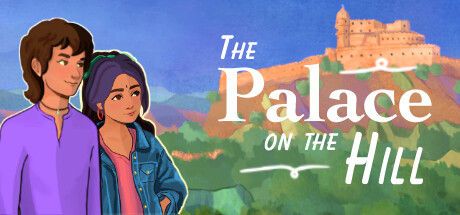
The Palace on the Hill developed and published by Niku Games is a narrative-driven life adventure that blends exploration, light farming mechanics, artistic creativity, and slice-of-life storytelling into a gentle and reflective experience. Set in a fictional rural village in India during the 1990s, the game focuses on the everyday life of a teenager named Vir, whose summer vacation becomes a journey of self-discovery, cultural reflection, and artistic growth. Rather than centering the experience on combat, high-stakes action, or complex simulation systems, the game places its emphasis on quiet moments, community interactions, and the beauty of rural life.
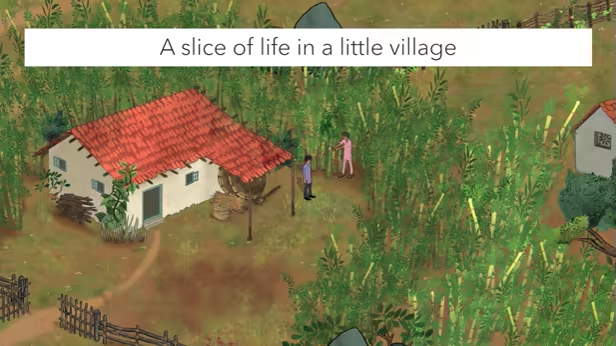
The story unfolds during a summer break from school, when Vir returns to his village and must help his family maintain their modest farm. Life in the countryside is far from easy, and the responsibilities placed on Vir reflect the economic realities faced by many families in rural communities. His father expects him to contribute to the household by helping with farming tasks and assisting in daily chores, which immediately grounds the narrative in the practical realities of village life. At the same time, Vir carries a strong passion for art and dreams of expressing himself through painting. This tension between responsibility and personal ambition becomes one of the central emotional threads that runs throughout the story.
Much of the narrative revolves around Vir’s fascination with the mysterious ruins of an old palace located on a hill overlooking the village. The palace is both a literal and symbolic location within the game’s world. It represents forgotten history, cultural heritage, and the curiosity that drives Vir’s artistic imagination. As players explore the ruins and surrounding countryside, they uncover fragments of stories about the region’s past while gathering inspiration for Vir’s artwork. These moments of exploration are quiet and contemplative, encouraging players to take their time observing the environment rather than rushing through objectives.
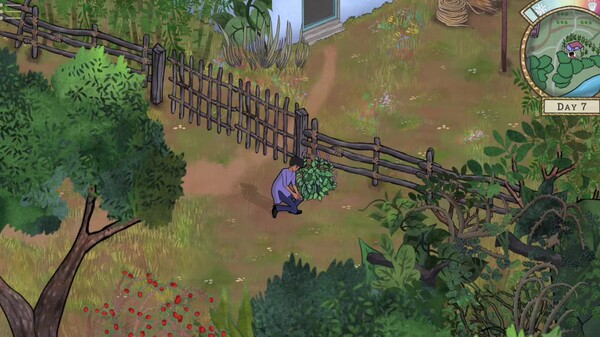
Gameplay supports the narrative by offering a variety of small but meaningful activities that reflect Vir’s daily life. Farming plays a modest role in the experience, allowing players to plant crops, water plants, and harvest produce that can later be used in cooking or sold to earn money. Unlike larger farming simulation games where agriculture forms the central gameplay loop, here it acts more as a representation of Vir’s responsibilities within the family. The mechanics are simple and accessible, serving primarily to reinforce the rhythm of everyday life in the village.
Cooking is another activity that adds flavor to the experience. Vir can prepare traditional snacks and drinks using ingredients gathered around the village, sometimes operating a small tea stall where customers visit for refreshments. These interactions introduce players to elements of Indian food culture while providing a relaxed gameplay loop that fits naturally within the village setting. Rather than feeling like a complex economic system, the cooking and selling mechanics contribute to the game’s sense of community and routine.
One of the most distinctive features of the game is its focus on art. Throughout the story, Vir collects inspiration from locations, people, and objects scattered around the environment. These inspirations allow players to complete paintings that represent Vir’s creative perspective on the world around him. Painting acts as both a gameplay mechanic and a storytelling device, illustrating how Vir interprets the landscapes, ruins, and moments of everyday life that shape his experiences. Completing artwork provides a satisfying sense of progress while reinforcing the theme of artistic expression.
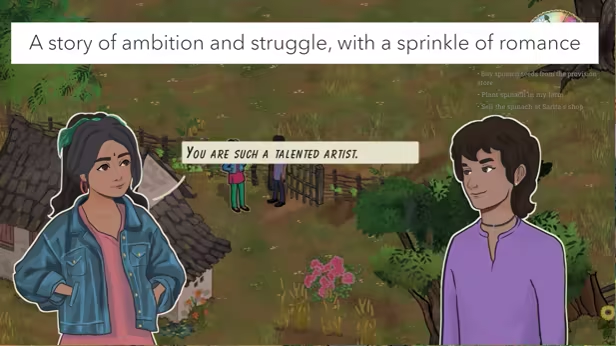
The village itself is populated by a large cast of characters who bring life and personality to the setting. Each villager has their own story, background, and daily routine, and interacting with them gradually reveals the social fabric of the community. Some characters provide tasks or small quests, while others simply share conversations about village life, traditions, or personal struggles. These interactions help build a believable world where relationships and shared experiences play an important role in shaping Vir’s journey.
Visually, the game stands out for its distinctive watercolor art style. The environments resemble hand-painted illustrations, with soft colors and delicate textures that capture the warmth of rural landscapes. Fields, houses, markets, and ruins are all rendered with an artistic touch that reflects the game’s focus on creativity and memory. This visual style pairs beautifully with the soundtrack, which features gentle music and natural ambient sounds that create a calm and immersive atmosphere.
Despite its many strengths, the game is intentionally modest in scope. The gameplay mechanics—farming, cooking, painting, and exploration—are relatively simple and may feel limited for players who prefer deeper systems or more challenging gameplay. The story itself is also fairly short, typically taking less than ten hours to complete. Some players may find that certain mechanics could have been expanded further to provide more long-term engagement.
However, the game’s focus on atmosphere and storytelling helps compensate for these limitations. The Palace on the Hill succeeds by presenting a heartfelt and culturally rich narrative that is rarely seen in video games. Its portrayal of rural Indian life feels sincere and respectful, offering players a perspective that differs from the settings commonly explored in Western game development. The combination of art, exploration, and everyday experiences creates an emotional journey that resonates through its authenticity.
Ultimately, The Palace on the Hill is a thoughtful and beautifully crafted indie adventure that prioritizes narrative and cultural identity over mechanical complexity. Its quiet storytelling, charming watercolor visuals, and focus on personal growth make it a memorable experience for players who enjoy narrative-focused games and cozy exploration titles. While it may not offer deep gameplay systems or long playtime, its emotional sincerity and unique cultural setting make it a standout example of storytelling in independent games.
Rating Score: 8/10