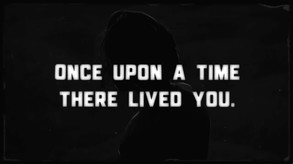
This is you, and this – is You. Both of you have something in common – exceptionality in a monotonous moment of time, when meaningless decisions have to be made. Or meaningful, to such an extent, that there is nothing left once they are made.
Modeled estimate, not a reported figure. How we estimate →
About
Stats
All-time low is the lowest price we've recorded for this game since we started tracking it.
Languages: English*, Russian**languages with full audio support
Engagement
Reviews
Themes across 45 recent reviews and how positive each mention is. A keyword signal, not full sentiment analysis.
Reviews
ЭТО ЧТО ЗА СОБАКИ ИЗ ПАРАЛЛЕЛЬНОЙ РЕАЛЬНОСТИ? А МОЖНО МНЕ ТАКЖЕ [spoiler]УБЕЖАТЬ, ЧТОБЫ НЕ ЗАГРЫЗЛИ[/spoiler]???
My Name is You and It’s the Only Unusual Thing in My Life, developed and published by Missing Calm, is a small yet deeply introspective narrative experience that blends visual novel storytelling with existential philosophy. It is a game that uses minimalism not as a constraint but as a deliberate stylistic tool, inviting players into a quietly unsettling world that feels both deeply personal and hauntingly universal. The premise is simple: you play as a man named “You,” whose life appears perfectly ordinary until a series of mundane choices begin to reveal something disquieting beneath the surface. The name itself becomes a metaphor for self-reflection—each decision, each moment, blurring the line between player and protagonist. The game opens in the middle of everyday routine. You go to work, make small decisions, interact with others, and live out an uneventful existence. Yet, it quickly becomes clear that the monotony itself is the point. Beneath the veneer of normalcy lies a growing sense of unease—a feeling that life has become an endless loop of repetition and detachment. The game’s title proves to be more than poetic irony; “My name is You” is both a literal detail and a philosophical statement. It forces players to engage in the narrative as though they themselves are the subject, drawing them into a story that questions identity, meaning, and the nature of choice. As the narrative unfolds, subtle shifts in tone and dialogue transform the story from an account of daily life into an exploration of what it means to exist in a world where everything feels the same. One of the defining qualities of this game is its branching narrative structure. There are over ten different endings, each representing a slightly altered interpretation of the protagonist’s state of mind. Every choice you make, whether trivial or seemingly profound, nudges the story toward a new outcome. What’s remarkable is how even the smallest decisions—pausing before going to work, speaking to someone or remaining silent—can ripple into completely different conclusions. Yet the differences between these endings are often understated, reinforcing the idea that our lives are defined by subtle variations rather than dramatic divergences. This multiplicity of paths gives the game strong replay value, but it also invites reflection: to truly understand the story, one must see it from multiple angles. Each ending adds a layer to the puzzle, revealing not a definitive truth, but a mosaic of perspectives about selfhood and purpose. The visual presentation mirrors the game’s tone perfectly. The art is sparse, using simple hand-drawn imagery and subdued colors to evoke an atmosphere of quiet melancholy. There are no complex animations or elaborate backdrops—just enough detail to suggest the world without fully defining it. This ambiguity leaves space for interpretation, allowing the player’s imagination to fill in the emotional gaps. The same restraint applies to the soundtrack. Each ending is accompanied by a distinct piece of music, designed to enhance its mood—sometimes mournful, sometimes contemplative, sometimes eerily calm. The sound design is minimal yet deeply evocative, functioning almost like an emotional language that replaces dialogue at key moments. Combined with the muted visuals, it creates an immersive environment that feels both comforting and unnerving, a dreamlike space where time seems to blur. Beneath its minimalist surface, the game carries a thematic weight that resonates long after it ends. It is a meditation on the banality of existence—the way small routines and habits can slowly erode one’s sense of purpose. The protagonist’s lack of distinct identity is intentional; by naming him “You,” the game invites self-insertion, turning each playthrough into a personal reflection on the player’s own routines and decisions. The experience becomes less about guiding a character and more about examining one’s own patterns of thought. It captures that particular brand of quiet despair that accompanies modern life, where comfort and emptiness coexist. Yet, there is also something cathartic in this repetition—a suggestion that even in monotony, meaning can emerge if one learns to see it differently. However, the game’s design also imposes limits. Its repetition, while thematically justified, can feel tedious for players who are used to more dynamic storytelling. Revisiting the same scenes to unlock new endings may test one’s patience, especially since the differences between paths are often subtle rather than overt. Similarly, players expecting traditional interactivity or complex mechanics may find the experience sparse; this is, after all, more of an interactive short story than a game in the conventional sense. Its strength lies in atmosphere and introspection, not in challenge or gameplay depth. But these constraints are what give it its distinctive voice—it doesn’t seek to entertain so much as to provoke thought and emotional response. In the end, My Name is You and It’s the Only Unusual Thing in My Life stands as a quietly powerful piece of interactive art. It refuses spectacle and embraces introspection, crafting an experience that feels intimate and unsettling in equal measure. Through its repetition, subdued presentation, and simple choices, it speaks volumes about the fragility of identity and the patterns that define our daily existence. It’s not a game that offers easy answers or dramatic resolutions; instead, it lingers in ambiguity, inviting players to project their own interpretations onto its framework. For those who approach it with patience and openness, it offers a rare kind of emotional honesty—one that makes the ordinary feel extraordinary precisely because it forces us to look closer at ourselves. Rating: 7/10
Media

Related
Related
Price dynamics, follower growth, revenue and sales trajectories with interactive tooltips
This and every other Pro feature is free until October 20, 2026. A free account is all it takes.
Hours played at review time, across 45 reviews with recorded playtime.
positive critical· bar length = how often the theme comes up
Не особо понял смысла игры даже прочитав, в большинстве своем есть ощущение будто все те теории которые строятся вокруг довольно обычной и базовой истории чуть ли не высосаны с пальца. Никакой индивидуальности. Имя "Ты" реально самое необычное в этой истории. Стиль и озвучка шикарные просто, но опять же как новелла это не особо реализовано. Я понимаю что не все как я когда хотят узнать другую часть истории, скипают одни и те же диалоги или хотят пройти с определенного сейва, но в этой игре такого сделать нельзя, и вот в этом тоже проблема новеллы. Своих денег она наверное стоит, все таки запарились с озвучкой, саундом и стилем игры. Но игра в совокупности не очень.
I usually like games like this, and it loosely made me reminiscent of the Milk games, Looking up Ceiling and even Mouthwashing but this just did not hit?? Its ultimately just a choose your adventure story, with some abrupt endings that just leave you like somethings missing. I really tried to like this but in good faith I just think it missed something to have me grasped by.
Cлишком медленно. Слишком крупный текст. От всего этого просто болит голова и всё прохождение уходит на одно желание - закончить с ней поскорее. Сюжет также очень странный и глупый.
невероятный слог и загадочная история. обрадовалась когда меня пустили дальше первой главы из за моих решений)
Жил был: Ты. Он поработал, поболел и ушёл в отпуск или продолжил работу
배경 젼혀 없이 문장과 나레이션만 나오는 게임입니다. 추천하기는 어렵습니다.
[list] [h3] Достоинства: [/h3] [*] Русская озвучка [*] Приятный звук ( музыка заслуживает отдельного упоминания ) [*] Сюжет в игре есть, но довольно посредственный. И все же, было интересно. [/list] [list] [h3] Недостатки: [/h3] [*] Иногда речь не совпадает с написанным текстом [/list]
Очень приятная и интересная новелла! Меланхоличный нарратив + озвучка + интересные последствия = хорошечная игра. Минусом будет только, отсутствие пропуска диалогов и сохранения.
Selling now
See how fast this game is selling right now — estimated copies and revenue per day from recent review growth.
Players by region
Where this game's players are, estimated from review languages.
Related
| Game | Estimated lifetime revenue | Reviews | Review score | Price |
|---|---|---|---|---|
| $47.5K | 619 | 82% | $2.69 | |
| $107.7K | 567 | 68% | $11.99 | |
| $30.6K | 1.1K | 94% | $1.19 | |
| $59.7K | 293 | 74% | $19.99 | |
| $14.6K | 347 | 86% | $3.19 | |
| $29K | 445 | 89% | $4.99 |
Related
| Game | Estimated lifetime revenue | Reviews | Review score | Price |
|---|---|---|---|---|
| $12.9K | 109 | 71% | $4.99 | |
| $12.9K | 72 | 35% | $7.99 | |
| $12.9K | 64 | 56% | $7.99 | |
| $12.9K | 64 | 58% | $7.99 | |
| $12.9K | 208 | 77% | $2.49 | |
| $12.9K | 749 | 85% | $0.99 |