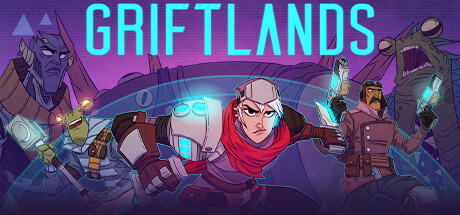
Griftlands is a deck-building roguelite where you negotiate, fight, steal or otherwise persuade others to get your way. Every decision is important, be it the jobs you take, the friends you make, or the cards you collect.
Modeled estimate, not a reported figure. How we estimate →
Prices
Each in the currency that store quoted — not converted: the gap between two rows is the publisher's pricing, not an exchange rate.
Discounts
Every price cut of more than 20% we have observed, in each market that quoted one, with this game's chart position on either side of it. These are episodes, not a model: a sale is one event, and one event cannot tell you what the next one will do.
For scale, across Steam · Top Sellers · Brazil over the last 30 days: the 24 chart moves that followed a price cut of more than 20% went a median of 9 places towards #1, and the 2,419 moves with no price cut behind them went 2 away. One store, one chart, one country — it is the only place we have enough observations to say even that.
Prices outside the United States have been collected since 6 August 2026 and chart positions since 19 July 2026, so a cut older than that has no market to compare and a market that joined later has no history yet. Nothing here is converted between currencies.
About
Sums Steam only; PlayStation, Epic publish no volume signal, so the true total is higher by an unknown amount.
| Store | Price | Audience | Score | Chart | Est. revenue |
|---|---|---|---|---|---|
SteamYou are here | $5.99−70% | 14.5Kreviews | 94% | — | $1.1M |
| $7.99−60% | 315ratings | 88% | — | not modelled | |
Updates
Build ids and update times come straight from Steam's PICS — the same source SteamDB reads. Patch history grows as we record new builds.
Engagement
Reviews
Themes across 842 recent reviews and how positive each mention is. A keyword signal, not full sentiment analysis.
Reviews
Got this item for free. Loved Klei's Invisible Inc. game as I sunk so many hours into it, however, this game just doesn't do it for me. Not sure what it is about it, as there are many other card battler games I have played and enjoyed (i.e. Monster Train). After just a few battles/negotiations, it just felt a little dull to me. Looking forward to hopefully seeing them do an Invisible Inc 2 or other style games. This one just wasn't for me.
Uh...Uh...WE...Uh *Rubs belly* Uhm...*giggles*(
Media

Related
Related
Price dynamics, follower growth, revenue and sales trajectories with interactive tooltips
This and every other Pro feature is free until October 20, 2026. A free account is all it takes.
Every market we collect.
Genres
Stats
All-time low is the lowest price we've recorded for this game since we started tracking it.
Languages: English, Simplified Chinese, Traditional Chinese, French, German, Japanese, Korean, Polish, Portuguese - Brazil, Russian, Spanish - Spain
| $19.99 |
| — |
| 96% |
| — |
| not modelled |
Matched by title — a reused name can pair the wrong games. * is a critic aggregate. Prices and positions are each store's United States storefront; Epic charts worldwide. Audience and Score too, except Steam's, which is worldwide.
Hours played at review time, across 848 reviews with recorded playtime.
positive critical· bar length = how often the theme comes up
Griftlands, developed and published by Klei Entertainment, is a refreshingly original blend of roguelike mechanics, deck-building strategy, and narrative-driven RPG elements that sets itself apart in a crowded genre. Released on Steam after a successful early access period, the game offers a compelling mix of negotiation, combat, and story branching that places player choice at the forefront. Klei, known for titles like Don't Starve and Mark of the Ninja, brings their distinctive artistic flair and gameplay innovation to Griftlands, resulting in a deeply engaging and thoughtful experience that emphasizes consequence, adaptability, and storytelling as much as tactical play. Set in a sci-fi world brimming with political intrigue, mercenaries, smugglers, and corporate overlords, Griftlands unfolds across three unique story campaigns, each centered around a different protagonist: Sal, Rook, and Smith. These characters each have their own motivations, playstyles, and social dynamics, providing replay value and variety in both narrative and gameplay. Sal is a bounty hunter on a mission of revenge, Rook is a double agent navigating the factions of a tense rebellion, and Smith is a drunken aristocrat thrust into political gamesmanship. Each campaign plays out like a self-contained roguelike story, where players must navigate branching narratives, forge or break relationships, and balance diplomacy with violence to achieve their goals. One of Griftlands’ standout features is its dual-deck system. Players manage two distinct card decks: one for negotiation and one for combat. Negotiation in Griftlands isn’t a tacked-on dialogue tree—it’s a full-fledged strategic system with its own mechanics, status effects, and variables. Conversations become battles of rhetoric, where you use arguments, counterpoints, and psychological tactics represented by cards to persuade, intimidate, or charm NPCs. This mechanic is not only clever and mechanically deep, but it also reflects the game’s thematic commitment to choice—winning a fight isn’t always about bloodshed, and often, talking your way out of conflict is the smarter path. Combat is similarly robust, featuring a wide range of card types, character abilities, and combo potential. Deck-building is at the core of progression, with new cards and upgrades acquired through battles, events, and vendor encounters. Each character has a distinct combat style: Sal uses combos and bleed effects, Rook juggles dual weapons and battlefield control, and Smith uses defensive drunkenness and unpredictable debuffs. The roguelike structure ensures no two runs are exactly alike, as players must constantly adapt their decks based on what cards, grafts (passive abilities), and allies they gain. The combat is turn-based and highly tactical, with modifiers and visual cues that keep the action readable while still offering complexity. What elevates Griftlands beyond being just a great card game is its integration of story and consequence. Your choices—both in dialogue and in action—have lasting effects on the world and its inhabitants. Kill someone in a fight, and their friends may come seeking revenge. Spare them, and they might help you later. Random events and procedurally generated elements combine with scripted story arcs to create a living world where relationships matter. Factions have their own agendas, and your alignment with them affects prices, access to quests, and the loyalty of NPCs. This narrative dynamism makes every run feel like a lived-in tale, not just a gameplay exercise. Artistically, Griftlands boasts Klei’s signature hand-drawn, expressive art style. The characters are distinctive and animated with exaggerated personality, and the environments reflect the game's gritty, neon-drenched sci-fi setting. The UI is clean and intuitive, giving players clear insight into card effects, enemy intentions, and progression systems. The game’s soundtrack is a synth-infused blend of tension and intrigue that perfectly underscores the mix of shady dealings and sudden violence, while the sound design brings flair to every punch, retort, and argument rebuttal. Voice acting is limited to key phrases and reactions, but the writing is sharp, witty, and occasionally poignant, capturing the tone of a world where survival often means compromising morals. Griftlands also excels at accessibility and onboarding. Despite its complexity, the tutorial is comprehensive, and early runs are forgiving enough to allow new players to learn without punishing setbacks. The game offers multiple difficulty levels and modifiers that can tailor the experience to both casual players and hardcore strategists. The balance between narrative depth and strategic gameplay is carefully maintained, ensuring that neither overshadows the other. Even when a run ends in failure, it feels like a completed story rather than just a restart—there’s always a sense of progression, whether through learned strategy or newly unlocked content. There are a few minor criticisms to note. Some players may find that certain decks or strategies are more dominant, which can affect the diversity of successful builds across repeated runs. While the randomness inherent to roguelikes keeps each playthrough fresh, it can occasionally lead to frustrating situations where luck outweighs planning. Additionally, players looking for a long-form RPG with traditional character progression or free-form exploration might find the structure too rigid. However, these concerns are marginal in the face of the game’s overall design strength and replayability. In the end, Griftlands is an exceptional fusion of genres, standing out as a game that marries narrative, strategy, and design with a rare degree of thoughtfulness. It’s a testament to Klei’s ability to innovate within and between genres, delivering a game that is as much about people and persuasion as it is about combat and cards. With its engaging characters, nuanced world-building, and tight, addictive gameplay loops, Griftlands is a must-play for anyone who appreciates card-based mechanics wrapped in meaningful storytelling and dynamic choice. It not only respects the intelligence of its players—it challenges them to think, adapt, and survive in a world that’s as morally gray as it is deadly. Rating: 9/10
入门了,开始听得懂角色说的话了
the game suprised me with how much personality and choice it has for a card game. The combat and talking decks both feel pretty deep, and the writing is realy fun and memorable. Every choise kinda matters and people react in cool ways. If you want some story with your stradegy, this one’s def worth a try
Its a good game. Odd to do a story rouge like. Even if you pick the same path there is a pool of enemies or events so helping some one for the main story does not mean you do the same thing or fight the same people. Took a while to understand the Negotations fights but once I did I was unbeatable. Do wish Allies fleed when they are in panic mode instead of just stand there. 1 boss fight was a pain cause the NPC I was helping would keep dying.
虽没有杀戮尖塔那么高的构筑空间,但也是有自己特色的卡牌肉鸽,三条故事线也因剧情事件的随机每次玩都有新花样。胜利的方式不止一种,可以舌战可以战斗,也可以先舌战后战斗,可以广交善缘朋友遍地,可以养宠物养机器人,甚至收集火箭筒进行战斗,重复游玩价值不错。
I've had a lot of fun with this one. It's very much what it says on the label: a run-based deckbuilder/RPG with multiple characters who each have several branching-and-recombining semi-randomized story paths, a combat deck and a negotiation deck. Visual style is strong, and that goes a long way here. Pros: Maintaining two decks is an interesting challenge that sets this apart from the rest of the genre. Characters have strong theming and do not feel like they're too mechanically similar. Reputation and NPC attitudes add a fun wrinkle and amount of depth to both gameplay and replay. Cons: On first plays, easy to think "oh, I can get through with just negotiation" - many encounters are fight-only (and in fact if you have a strong enough combat deck, you can just fight your way through most of the game, rather than the other way around) and you will be punished for thinking you can neglect one side. This isn't the game's fault in design, but it's a common hiccup I've seen. Also, I wish there were "more of everything" - more random events to shape the story, more persistent characters to meet, more playable characters, more options in a character deck, more stories involving the characters I've grown attached to, more times the characters cross paths... it's not that it felt overly thin on the ground, it's that I think this model and engine has a lot more room to grow, and I'd like to see more in this system and setting both.
为什么要弄两套牌,协商是真的没意思,我协商直接投降。
全成就了,在我玩过的里面内容量算是前五的肉鸽了,剧情和肉鸽内容结合的相当的好,说实话值得更多人游玩,不过冷一点也是好事情吧
Active players
Estimated daily and monthly active players (DAU/MAU) modeled from peak concurrency.
Players by region
Where this game's players are, estimated from review languages.
Players also reviewed
The games this title's players most often review too — audience affinity.
Related
| Game | Estimated lifetime revenue | Reviews | Review score | Price |
|---|---|---|---|---|
| $1.1M | 1.6K | 65% | $29.99 | |
| $1.1M | 820 | 82% | $49.99 | |
| $1.1M | 4.1K | 90% | $9.99 | |
| $1.1M | 3.6K | 57% | $9.99 | |
| $1.1M | 2.3K | 88% | $14.99 | |
| $1.1M | 2.4K | 70% | $14.99 |
Related
| Game | Estimated lifetime revenue | Reviews | Review score | Price |
|---|---|---|---|---|
| $3.4K | 11 | 36% | $13.99 | |
| — | 0 | — | — | |
| — |
| 0 |
| — |
| — |
| $25.6K | 57 | 93% | $14.99 |
| $0 | 188 | 82% | Free |
| — | 0 | — | — |