
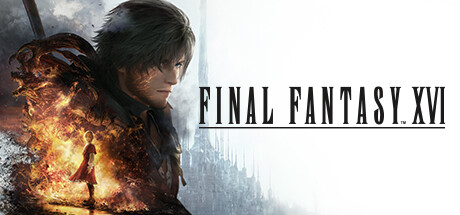
An epic dark fantasy where fates are decided by mighty Eikons and the Dominants who wield them. This is the tale of Clive Rosfield, a tragic warrior who swears revenge on the Dark Eikon Ifrit, a mysterious entity that leaves naught but calamity in its wake.
Most likely between $17.8M and $50.4M. On 8 games checked against developer-reported sales, our median error is 11%. How we estimate →
| Store | Price | Score | Revenue · chart |
|---|---|---|---|
| Steam | $19.99 | 78% | approximately $29.6M |
| PlayStation | $49.99 | 89% | — |
| Xbox | $49.99 | 88% | — |
| Epic | $19.99 | 93% | #90 |
Matched by title. Prices and chart positions are each store's US storefront; Epic charts worldwide. * critic score.
Reviews
Themes across 1897 recent reviews and how positive each mention is. A keyword signal, not full sentiment analysis.
positive critical· bar length = how often the theme comes up
Reviews
很久以前通关的,现在补一则总结评价:又史又神,具有史神二象性。 如果游戏只通关主线会有比较好的战斗和观影体验,无论是特效、连招还是召唤兽战斗可以说都是独一档的存在。但是打久了发现无非就是上来先放大招,接着普攻平a等大招好了后之又放大招这种看上去百花齐放的打法。这种花里胡哨的内容带来的新鲜感会在你探索开放世界和解决各种支线时彻底消磨殆尽。其中最亮眼的召唤兽战斗可谓少之又少,但都设计的异彩纷呈,除了铺垫很久的奥丁战,随便搓几招便草草结束,像是制作组做到一半突然没钱了。。。游戏内敌人的素材复用也比较严重,打来打去都是那么几张面孔。装备上的迭代基本只涉及数值,没有词条或特殊效果,也算是一个遗憾。 说到这游戏的开放世界,只能说还不如做成线性玩法让玩家有更连贯的战斗和剧情体验。但现实是——毫无内容空洞的大世界,如:在旷野上放几条野狗和几个重复功能的npc、大量的站桩无语音对话、还有无意义的通马桶支线诸如:“啊,能帮我找一找我弄丢的鸟吗”、“你能不能帮我摘几朵花?”、“我这边少几个螺丝能不能帮我去取一下?” 有时候我都在怀疑这跟我之前玩的是不是一个游戏,这种天差地别质量的设计内容玩起来极具割裂感,玩主线时像3a大作,玩支线又像大学生毕设。 剧情方面也不能说好到哪里去,有些高开低走。一开始的大场面和几国元首汇聚让我以为这会是个多国势力明争暗斗、争权夺势的故事,但结果又回归成热血王道和经典的对抗神明戏码了。。。如果能把它讲成正经的王国争斗、阴谋阳谋齐上、主角于多方势力中挣扎的故事,我觉得反而会更精彩,起码不落入这种“神明要毁灭世界,而我来拯救世界”的俗套戏码。 各角色的戏份及作用性的权重分配也没做好。自从弟弟出场以后,女主本就不多的戏份变得更可有可无了,如果能把弟弟和女主的戏份对调反而更适合所谓的女主。 优化方面问题我倒是没遇到过,全程都能稳在90-110帧左右。当初我是200多买的完整版,打完感觉像吃了屎一样,可能是因为我自作孽要打的全成就。。。但如果夏促100多入手是比较值的,推荐补完dlc,里面的boss战还是蛮震撼的。对这类作品感兴趣的朋友可以体验一下主线的战斗和演出,绝对值回票价。支线只做几个关键性的加号就好了,千万不要想着清完支线,否则这游戏会从一坛陈年美酒变成一坨陈年老痰。
从没想到有这么无聊的大型3A,打开游戏都让人艰难抉择,哪怕司马育碧的问号消消乐都比这好玩 吉田做烂的16,搞臭了14,这样真不如让小田田回来补上FF15的遗憾, 15的露娜戏份那么少却让人意难平,16的吉尔当贴身女仆却像可有可无的花瓶, 最终幻想怎么会变成这个吊样,让这群虫豸来搞什么时候是个头,还不如死了呢。
Resolvi esperar uma promoção para comprar esse game. Sou muito fã da série desde os primeiros jogos, mas, infelizmente, preciso dizer que fiquei decepcionado. O desempenho no PC é horrível. Minha máquina não é topo de linha, mas roda tranquilamente jogos pesados como *Cyberpunk 2077*, *Stellar Blade* e *God of War Ragnarök* com um bom desempenho. Já em *Final Fantasy XVI*, tive que colocar tudo no mínimo e desabilitar praticamente todos os recursos gráficos para conseguir terminar o jogo. Mesmo assim, a taxa de quadros oscila absurdamente, indo de 80 para 20 FPS o tempo todo, o que torna a experiência bem frustrante. Inclusive, precisei instalar um mod apenas para fazer as cutscenes rodarem acima de 30 FPS e conseguir aproveitar a história, que, felizmente, é muito boa. Para mim, a jogabilidade é o ponto mais fraco. As batalhas são extremamente fáceis, com inimigos que muitas vezes ficam apenas rodeando o personagem em vez de atacar. Alguns chefes oferecem um pouco mais de desafio, mas, no geral, o jogo nunca passa a sensação de exigir estratégia ou habilidade. As recompensas das batalhas também são decepcionantes. Você recebe materiais para fabricar armas e armaduras, mas, como o jogo é tão fácil, praticamente não existe necessidade de se preocupar com isso. A exploração também deixa a desejar: os itens espalhados pelo mapa, como poções, ficam tão visíveis que não há qualquer sensação de descoberta ou recompensa por explorar. As sidequests foram outra grande decepção. São missões muito simples, sem profundidade, repetitivas e que pouco agregam à experiência ou ao desenvolvimento dos personagens e do mundo. O grande destaque de *Final Fantasy XVI* é, sem dúvida, a história. Os personagens são muito bem construídos e têm bastante profundidade. Em alguns momentos a narrativa pode parecer um pouco confusa, mas, conforme o jogo avança, tudo vai se encaixando de forma satisfatória, com boas reviravoltas e momentos marcantes. No fim das contas, eu recomendaria esse jogo apenas para quem é realmente fã da franquia *Final Fantasy* e conseguir comprá-lo em uma boa promoção. Espero sinceramente que os próximos títulos consigam recuperar a confiança dos fãs e tragam de volta o equilíbrio entre uma boa história, jogabilidade desafiadora e uma exploração mais recompensadora. Vale mencionar que, depois de terminar o jogo, é liberado um modo de dificuldade maior. Porém, sinceramente, depois de uma campanha tão maçante, não acredito que muita gente vá se animar a jogar tudo novamente apenas para ter algum desafio. Na minha opinião, o ideal seria que essa opção estivesse disponível desde a primeira partida, permitindo que cada jogador escolhesse a experiência que prefere desde o início.
game play is fun, good story. BUT there is GAY ♥♥♥♥ and homosexual sceens in this game!
I tried I really tried. Cinematic storytelling is one thing. The game breaking pace by inserting unecessary cuscenes, for what feels every few steps, gets tedious fast. I'm supposed to be past the point of the introduction where the game supposedly picks up (5-6 hours in) but it's just not happening. Suposedly the game picks up alot later on but how to even get there with the tedium. Yes, I can skip the cutscenes but then it's also alot of story you miss, and the gameplay is not exactly esciting. Other than that, the game is full on rails. You have a world mape to teleport around with and that's it. The stages feel like the same thing just in a different setting. Then you have the optimization. I have a fairly decent build. Every other game I've run can do well beyond 60 FPS at Medium or High settings at 1080p. This game fluctuates incredibly no matter what the setting. FF7 Remake and Rebirth, which both look better, ran infinitely better than this. One thing I can say it looks pretty good enviromentally. The characters however are all very stiff and the facial expressions are not well made. Comparing with the FF7 remake games character animations, this is pretty bad. I'm truly flabergasted as to how many points a game can fail at. This being a Final Fantasy, one of my most beloved game series ever, makes it even worse...
[h1]FINAL FANTASY PARA FÃS CRESCIDOS.[/h1] [i]Terminado em 87h[/i]. Valisthea. Um continente dividido em reinos que disputam poder, sustentados pelos Cristais-Máter. Esses cristais conferem a alguns poucos indivíduos, chamados Portadores, a capacidade de canalizar o éter e conjurar magias. Em quase todas as nações, os Portadores são tratados como escravos descartáveis, com exceção do Ducado de Rosaria, governado por Elwin Rosfield, que lhes concede dignidade e respeito. Enquanto o Sagrado Império de Sanbreque e a República Democrática de Dhalmekia exploram seus Portadores até a exaustão, o Reino das Cinzas de Waloed os persegue de forma sistemática. Suas vidas são sacrificadas em prol do avanço militar e científico da nação. O mundo é sustentado pelo éter, e sua ausência corrompe a vitalidade da terra. Essa corrupção se espalha por todas as nações, tornando cada vez mais difícil o plantio de comida e o acesso à água potável. Esse é o motivo da guerra entre os reinos, mas uma força oculta exercer forte influência nos eventos do conflito. No centro da força militar de cada nação estão os Dominantes, Portadores com capacidades excepcionais capazes de manifestar poderes ancestrais: os Eikons. Nascidos dos elementos primordiais, os Eikons conferem poder quase ilimitado para seus Dominantes. Existe apenas um Eikon para cada elemento e, até o momento, não há registros de dois Eikons nascidos do mesmo elemento. No Ducado de Rosaria, o Eikon símbolo da Casa de Rosfield, a Fênix, escolheu o filho mais novo do arquiduque, Joshua Rosfield, para ser seu Dominante. O primogênito, Clive Rosfield, sendo Portador de alto nível, torna-se o seus escudo juramentado, prometendo protegê-lo por toda a vida. Era de se esperar que o favoritismo dado ao caçula pudesse criar rixa entre os dois, mas o afeto e o respeito mútuos são profundos, com grande lealdade demonstrada entre ambos. Ao lado deles está Jill Warrick, uma Portadora trazida como refém de um reino hostil ao norte, mas criada dentro da corte como filha adotiva de Elwin. E também Torgal, um filhote de lobo cinzento de aparência comum, mas com inteligência incomum por trás dos olhos gentis e do focinho pontudo. Essa vida tranquila e invejável é despedaçada quando o arquiduque e seus filhos partem para o Portão da Fênix, onde Joshua é esperado para ser investido oficialmente como o Dominante de Fogo de Rosaria. Durante a madrugada dessa noite histórica, a fortaleza é atacada por membros do Império de Sanbreque, mergulhando a família em profunda tragédia e mudando seus destinos para sempre. Final Fantasy XVI é diferente de seus antecessores em muitos aspectos. Para começar, podemos perceber pela introdução que a proposta do jogo é mais madura, trazendo para a trama um embasamento político complexo, com intrigas palacianas, traições e assassinatos. Somado a isso, temos também um exemplo de perseguição de casta social ilustrado pelos Portadores e pela forma como eles são tratados, execrados por pessoas comuns e considerados menos que seres humanos. Há também uma mudança no tom tradicional da série, que se afasta da ingenuidade juvenil para mostrar a crueza visceral da guerra e toda a violência que ela contém. Cenas com palavrões, sangue e insinuações sexuais aparecem de forma mais abrangente, mas com limites bem definidos, de modo que se entenda a motivação da cena sem que o jogo se torne vulgar ou apelativo. Visualmente, o jogo é muito bonito. Existe uma mistura evidente de influências culturais. Os personagens são desenhados com traços delicados e belos, com cabelos espetados e esvoaçantes, corpos magros e esculturais comuns ao gosto japonês — com exceção de Hugo Kupka, que é enorme, tem o rosto quadrado e corpo musculoso. O design das roupas e equipamentos também segue um estilo comum a série, mas a arquitetura e os monstros são fortemente inspirados pelo folclore europeu, trazendo um tom e atmosfera mais góticos e sombrios. Inclusive, junto dos monstros clássicos como Gigantes de Ferro, Bombs, Malboros e Behemoths, temos criaturas tradicionais de contos de fantasia como orcs, goblins, trolls e serpes. Já a jogabilidade passou por uma remodelagem completa. Os combates por turnos e as barras de ação dão lugar a uma mecânica mais ágil, inspirada no estilo hack’n’slash em tempo real, permitindo que o personagem ataque, se esquive ou use poderes livremente. As sequências de movimento lembram o estilo de Devil May Cry, com investidas a longa distância, cortes transversais e saltos sobre inimigos. O sistema de defesa é inexistente e, em seu lugar, há uma mecânica de aparo e esquiva superprecisa que sempre coloca Clive em posição de vantagem quando executada corretamente. Os golpes especiais agora são coordenados por um tempo de resfriamento proporcional ao dano da habilidade. Quanto maior o dano, maior o tempo de recarga. São pelo menos cinco golpes para cada elemento: dois singulares, dois de área e um devastador que causa grandes quantidades de dano. Pode-se escolher três elementos antes de qualquer combate, e cada elemento proporciona dois golpes especiais e um bônus adicional, como habilidades para pressionar o inimigo ou esquivas mais eficientes. O Limit Break também foi repaginado. Agora ele aparece numa barra abaixo da barra de vida e pode ser ativado a qualquer momento, fazendo com que o visual de Clive mude e seu conjunto de golpes e poderes se tornem mais eficientes por tempo limitado. Essa barra é preenchida automaticamente ao receber dano, esquivar-se ou causar dano. Além da barra de vida, os inimigos agora também possuem uma barra de tontura, que vai se desgastando junto de sua vida. Quando a barra chega à metade, o inimigo sofre uma breve interrupção em sua ofensiva e, quando se esgota, fica vulnerável por vários segundos. Alguns golpes especiais causam mais dano à vida do inimigo, outros à barra de tontura. Isso permite que o jogador desenvolva novas estratégias para vencer inimigos mais poderosos. O mundo é semiaberto, com grandes áreas para explorar em cada província, mas o translado entre elas só é possível através de viagens rápidas após desbloquear os cristais especiais de cada região. Ele é povoado por diversos monstros que vão dos medíocres aos poderosos, mas os combates aleatórios são completamente evitáveis, principalmente após desbloquear a viagem de chocobo. O ritmo da história se desenvolve bem, com quests secundárias surgindo após acontecimentos-chave. As missões que concluem histórias paralelas e as caçadas mais difíceis se tornam disponíveis antes do último capítulo. É possível deixá-las para o pós-jogo, mas concluí-las antes desbloqueia os equipamentos mais fortes disponíveis. No geral, a experiência foi bem agradável, mas Final Fantasy XVI sofre de um erro ainda não reparado de vazamento de memória. Após o jogo encher a VRAM, ele não recicla recursos e continua alocando a informação na memoria RAM, aumentando drasticamente a latência e causando grande instabilidade na fluidez do jogo, principalmente se sua GPU tiver menos de 12gb de VRAM. E quanto mais efeitos se utiliza, menos tempo se consegue jogar antes de enfrentar esse problema, o que é uma vergonha para a reputação de seu desenvolvimento. Final Fantasy XVI se apresenta como uma reinvenção da franquia, abraçando uma narrativa mais sombria e adulta, desigualdades sociais e brutalidade da guerra. A combinação de elementos clássicos com um sistema de combate ágil inspirado em hack’n’slash, cria uma experiência única que remete aos jogos de ação modernos. Apesar de sua beleza visual, o título sofre com problemas técnicos sérios, como o vazamento de memória, que comprometem a fluidez da jogabilidade e mancham a excelência de sua produção. Ainda assim, o jogo consegue entregar uma jornada intensa e memorável, capaz de envolver o jogador em um mundo rico, cruel e impressionante. [i][b]8/10[/b] na escala leomaníaca[/i] por ser ousado mas mal otimizado em hardware mais modesto.
Worst Final Fantasy in the main franchise. The game is repetitive in every point possible. Story is too simple, characters too bland, too many cinematics and most don't really seem interesting or important. You spend half the game apologizing I just stopped caring at some point. Deep and complex stories were always the big strength of the Final Fantasy series, so this is the most downside for this edition. There's also very little gear to collect. Although a crafting system exist, I didn't craft anything after the tutorial since I had so many of everything for doing the minimum required battles, which made me ignore items on the ground and not wanting to explore the environment. That's made worse with fast travels everywhere. Combat gets a little better after some time but it's not as good as FFXV. Strengths for this one are the soundtrack, graphics, and voice acting.
🖤
よりによってバハムートのドミナントを同性愛者にする必要、ありました?ストーリーにまったく関係ないし、ただの作為にしか見えません。誰得なんですか、この設定。
7.5/10 [h3] It's a shame that Final Fantasy XVI had the potential to be so much better. [/h3] To me, [b] FF16 suffers from three major flaws [/b]. First, there's a disconnect between its narrative premise and the way that narrative is actually presented. Second, the pacing is wildly uneven. Third, the story itself often feels surprisingly hollow—its characters rarely receive the depth they deserve, leaving the game's ambitious themes feeling superficial instead of impactful. That's what makes FF16 so frustrating. It had all the ingredients to become one of the series' stronger entries, yet because of these shortcomings, its breathtaking soundtrack and spectacular cinematic set pieces ultimately end up being the game's two greatest strengths—and, unfortunately, its most memorable ones. Producer Naoki Yoshida once described FF16 as one of the darkest and most realistic games in the franchise. In that regard, the game certainly delivers on its brutal, violent atmosphere. At its core, it's essentially [b] Final Fantasy's take on a Renaissance-era medieval fantasy [/b], centered on humanity breaking free from divine control and forging an era shaped by human will rather than the will of gods. It's a compelling premise, and from a world-building perspective, the setting is thoughtfully constructed and internally consistent. That deserves genuine credit. Stylistically, FF16 is also an interesting hybrid. It retains the DNA of a traditional JRPG while borrowing heavily from Western RPG presentation, and builds its gameplay around a character action combat system that feels genuinely enjoyable (unsurprising, considering the combat director also worked on the Devil May Cry series). Many of the game's design choices also show admirable restraint. Rather than repeating FF15's overly ambitious yet unfinished open world, the developers opted for a region-based structure that better matched their production scope. As a result, FF16 feels like a far more polished and complete experience overall. Unfortunately, Yoshida also falls into a trap that many Japanese developers struggle to avoid. A dark and mature story isn't created simply by filling it with blood, death, and violence, nor merely by establishing a bleak setting. True darkness has to come from the storytelling itself—from making players genuinely feel the weight of despair. And that's where FF16 stumbles. The first thing it needed to abandon was the overly dramatic, distinctly "anime-style" storytelling common in many Japanese games. There's nothing inherently wrong with that style, but it has to fit the work it's used in. When paired with a medieval fantasy that's striving for grounded brutality and political tragedy, the result feels jarringly inconsistent. One moment Clive is drowning in grief after a devastating tragedy. The next moment he's shouting inspirational battle speeches before transforming into an Eikon, leading to an explosive spectacle that feels more reminiscent of Naruto's giant-tailed-beast battles than the grounded tone the game initially promises. That tonal whiplash is, in my opinion, FF16's biggest weakness. These two storytelling styles are incredibly difficult to reconcile. Some Japanese games manage that balance well. FF16 isn't one of them. The clearest example is Clive's constant declaration that he wants to "[b] create a world where everyone can live with dignity. [/b]" By the latter half of the game, what should have been the emotional core of the story gradually devolves into an anime-style slogan—grand in scale, but emotionally empty. To be fair, the game does include several heartfelt moments about people supporting one another, and some side quests are genuinely well written. But the majority of both the side quests and even much of the main story remain surprisingly flat, shallow, and surface-level. As a result, the game's central message never truly lands. Instead of becoming an earned ideal, that line simply becomes a slogan repeated over and over. This ties directly into another major issue: the game's pacing. Because FF16 adopts an almost relentlessly restrained and serious emotional tone, much of the story ends up feeling oddly monotonous. It's never outright boring, but it's rarely exciting either. Ironically, the moments most players are likely to remember are the massive Eikon battles. The problem is what comes afterward. Once those spectacular fights are over, the game immediately returns to long stretches of forgettable main-story dialogue and filler-like side quests. That imbalance in pacing persists throughout nearly the entire game. Looking back after finishing it, it's surprisingly difficult to mentally reconstruct the story from beginning to end because there are so few memorable narrative milestones connecting everything together. For me, that's a clear sign that the storytelling simply isn't strong enough. One moment that particularly stood out occurs later in the game. Clive has just suffered serious injuries and hasn't even fully recovered. Naturally, you'd expect the story to maintain that urgency and push the main narrative forward. Instead, the game suddenly dumps several ordinary side quests onto the player all at once. It completely shattered my immersion. The protagonist is supposedly gravely injured, yet the story abruptly expects you to run errands that have little narrative importance. That awkward clash between gameplay structure and narrative momentum is something FF16 struggles with from beginning to end. Honestly, if you're looking for a JRPG that explores similar themes—people standing together, breaking free from divine control, and building an era defined by humanity itself—then [b] Xenoblade Chronicles [/b] remains, for me, the gold standard. It accomplished those ideas brilliantly [b] thirteen years before FF16 was even released [/b]. Ironically, despite having plenty of criticisms of FF15, if I had to choose between the two, I'd pick 15 without hesitation. Its portrayal of brotherhood is genuinely heartfelt. Exploring its open world is enjoyable. Many of its conversations and story moments are simply more fun. Its world also left a stronger impression on me. Overall, it's a game that's simply more enjoyable to play. That said, I still want to emphasize that [b] FF16 absolutely has its strengths [/b]. By the time I'm writing this review, I've already earned every achievement in the game, so I'm fully aware of the countless thoughtful details and impressive craftsmanship the development team put into it. But precisely because I experienced everything the game has to offer, I also became painfully aware of where it falls short. I can clearly see just how much greater this game could have been—and that's what disappoints me the most. Perhaps that's the truest definition of disappointment: Not that something was bad, but that it could have been so much better. Even so, I'd still recommend FF16 to JRPG fans. After all, whether we like it or not, every new Final Fantasy release is one fewer we'll ever get to experience. [hr][/hr] [i] [b] Achievement Hunter's Note [/b]: If you're aiming for 100% completion, prepare for one of the most tedious achievement grinds I've experienced. Three achievements require replaying the base game and both DLCs on [b] Final Fantasy Mode [/b] (hard mode). Unfortunately, FF16's slow pacing, lengthy cutscenes, and limited gameplay variety make a second run feel exhausting. Combat isn't much harder—enemies mostly just have far more health, turning battles into damage sponges. It doesn't add challenge, only time. Be prepared for a long, repetitive grind. [/i]