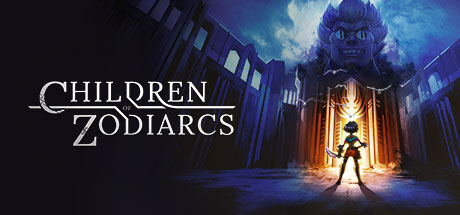
Children of Zodiarcs, developed by Cardboard Utopia and published by Square Enix, is a tactical role-playing game that attempts to break away from genre conventions by blending turn-based strategy with card mechanics and dice-based decision making. While many tactical RPGs focus entirely on positioning and character statistics, this title introduces controlled unpredictability into combat, creating a system where preparation and adaptability matter equally. Combined with a darker fantasy setting built around social inequality and survival, the game creates an experience that feels both familiar and experimental at the same time.
The story takes place in Lumus, a fractured world where wealth and power are concentrated in the hands of a privileged elite while ordinary citizens struggle to survive under harsh conditions. The narrative follows Nahmi and a group of young thieves forced into dangerous circumstances after attempting to steal a powerful relic connected to ancient forces hidden beneath the city. What begins as a desperate act of survival quickly evolves into something much larger, pulling the group into conflicts involving corruption, oppression, and dangerous factions willing to destroy anyone standing in their way.
One of the strongest aspects of Children of Zodiarcs lies in its worldbuilding. The setting feels grounded despite its fantasy foundation because social struggles remain central to the story. Wealth disparity influences daily life, creating a believable environment where desperation shapes decisions and survival often demands difficult choices. The world avoids feeling like a generic fantasy backdrop because its conflicts feel personal to the people living inside it.
Nahmi serves as an effective protagonist, but much of the emotional weight comes from the party surrounding her. The supporting cast brings personality and humanity into the story through conversations and interactions that reveal fears, ambitions, and individual struggles. Relationships between characters develop naturally as the journey progresses, helping quieter moments remain engaging between larger conflicts and tactical encounters.
Combat immediately separates Children of Zodiarcs from more traditional strategy games. Battles unfold on tactical grids where positioning remains critically important, but the introduction of card mechanics changes how abilities function. Instead of relying on static skill menus, characters build decks that determine available actions during encounters. Players draw combat options throughout battles, forcing adaptation and preventing strategies from becoming overly repetitive.
This deck-building approach introduces flexibility while encouraging experimentation. Different characters benefit from different builds, allowing players to shape combat roles around personal preferences. Offensive specialists, defensive support units, and utility-focused characters can all evolve differently depending on deck construction choices. Progression becomes more interesting because customization extends beyond equipment and numerical upgrades.
The dice system becomes the game's most unusual feature. Combat actions receive additional effects through dice rolls tied to abilities. Successful rolls can strengthen attacks, improve healing effectiveness, trigger bonuses, or create additional tactical advantages. Randomness exists, but it rarely feels completely uncontrollable because players can influence outcomes through preparation and specialized dice customization systems.
That combination of strategy and uncertainty creates battles that demand flexibility rather than rigid planning. Traditional tactical RPG habits still matter, but Children of Zodiarcs constantly encourages players to adjust strategies based on changing conditions. Victories feel rewarding because success comes through balancing preparation with adaptability.
Character progression supports long-term experimentation. New abilities and improved customization options gradually expand strategic possibilities without overwhelming players immediately. Building stronger combat setups becomes satisfying because growth feels tied directly to personal decisions rather than simple numerical progression.
The game also benefits from maintaining a focused structure. Rather than filling large environments with unnecessary distractions, Children of Zodiarcs moves steadily between narrative development and tactical encounters. The pacing prioritizes momentum, ensuring combat systems remain central to the experience without excessive downtime interrupting progression.
Visually, the game favors atmosphere and style over technical spectacle. Character models and environments may not rival larger productions, but artistic direction gives Lumus a distinct identity. Wealthy districts contrast sharply against poorer environments, reinforcing social themes through environmental storytelling rather than relying exclusively on dialogue.
The soundtrack further strengthens immersion through orchestral compositions that support emotional moments and tactical battles effectively. Music contributes heavily to atmosphere, helping larger story developments land with greater impact while giving combat additional energy.
Some aspects may divide players. Randomness introduced through cards and dice occasionally disrupts carefully planned strategies, particularly during more demanding encounters. Players who strongly prefer entirely predictable tactical systems may struggle with the balance between control and chance. Combat pacing can also occasionally feel slower than expected.
However, those same systems become part of what makes Children of Zodiarcs memorable. Instead of copying established formulas directly, the game builds an identity around experimentation and mechanical variety. Cardboard Utopia takes risks that many strategy games avoid, and while not every idea works perfectly, the ambition remains admirable.
Players who enjoy tactical role-playing games and appreciate systems that encourage creativity rather than strict optimization will likely discover something rewarding here. Children of Zodiarcs succeeds because it understands the foundations of strategy design while remaining willing to challenge familiar expectations.
A distinctive tactical RPG that combines thoughtful storytelling, rewarding customization, and creative combat mechanics into a memorable strategy experience that stands apart through ambition and originality.
Rating: 7/10